
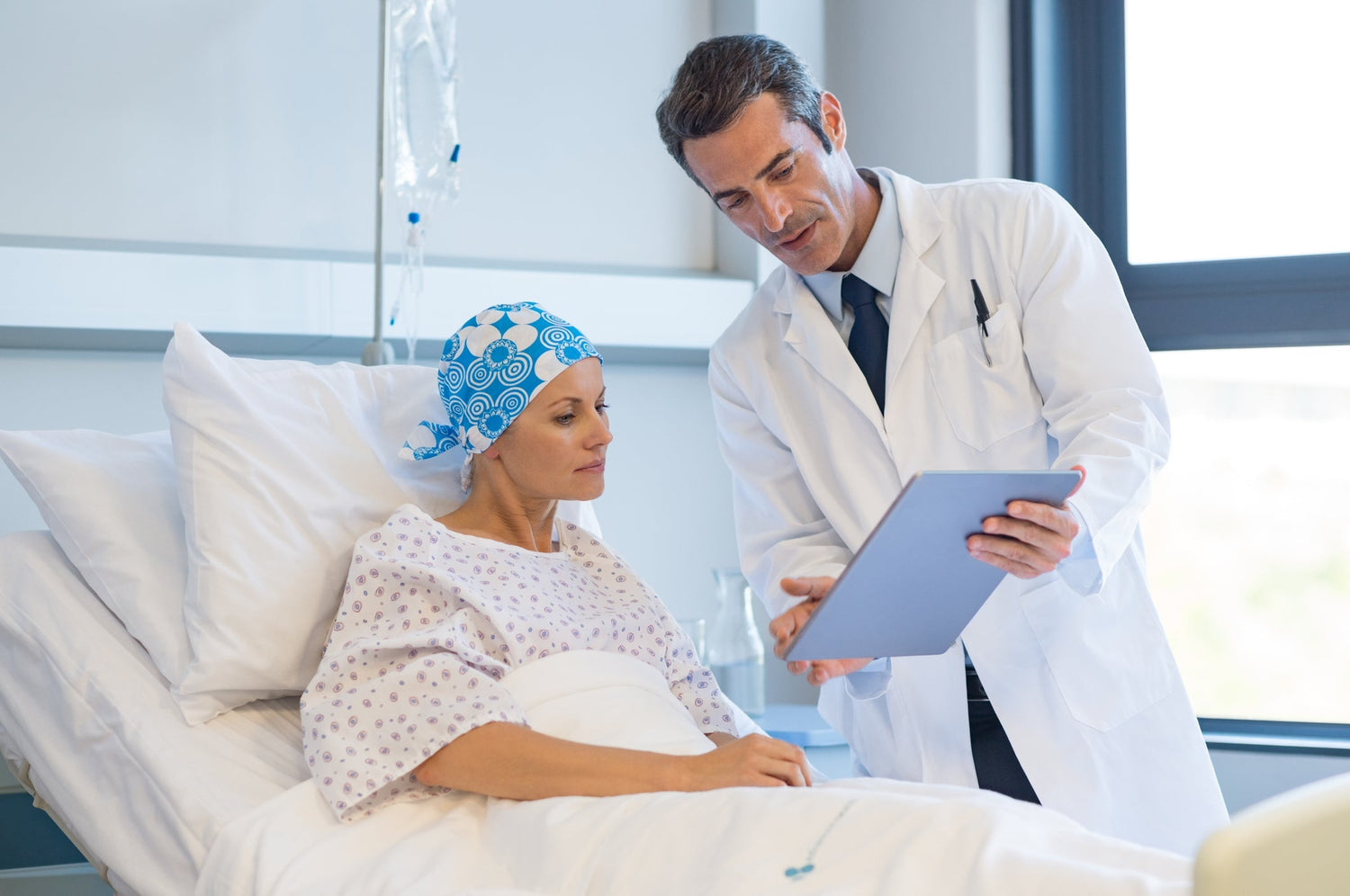
The search for effective therapies against cancer has been driving science for decades. Every year, millions of people face the challenge of dealing with one of the most devastating diseases. New drugs play a key role in the fight against this disease and have the potential to significantly improve survival rates.
Cancer treatment is multifaceted and involves a range of methods, including surgery, chemotherapy and immunotherapy. These therapies are often chosen individually depending on the type of cancer, the stage and the biological characteristics of the tumor. Nevertheless, research into new drugs remains crucial in order to further increase the success of treatment.
This article provides you with a comprehensive overview of the new medications in cancer therapy, how they work and the latest trends in research. We look at the different types of treatments and the factors that influence the choice of therapy, giving you an in-depth insight into a dynamic and constantly evolving field of medicine.
Cancer treatment
Cancer treatment includes various methods of fighting tumors. Among the best known are chemotherapywhich affects both tumor cells and healthy cells. Common side effects are Nauseaanemia and hair loss.
A newer method is oral cancer therapy. It offers patients more flexibility and reduces hospital stays. However, close coordination with the attending physician is important to ensure the success of the therapy.
Alternative cancer therapies
- Mistletoe therapy: Seen as a supportive treatment in Germany.
- alternative medicineOften criticized due to lack of scientific evidence and possible side effects.
Targeted therapies
These therapies focus on specific cancer cells and spare healthy cells. Personalized medicine uses clinical studies to tailor the therapy to the patient.
Table: Common side effects of chemotherapy
|
Side effect |
Current treatment options |
|---|---|
|
Wigs, headgear |
|
|
Neurological symptoms |
Cancer therapy is constantly improving thanks to ongoing research, for example by German Cancer Aid. It remains important to discuss all treatment options with the oncologist treating you.
Introduction
The treatment of cancer often requires a combination of standard procedures and complementary methods. One method is mistletoe therapy, which is considered supportive by anthroposophical physicians. It is important that patients inform their treating physicians about all therapies used, especially if they are receiving parallel treatments in other institutions.
A key aspect of cancer treatment is participation in clinical trials. These trials often exclude mistletoe therapy as it could influence the trial results. To maximize the effectiveness of the treatment, the individual characteristics of the patient should be taken into account. Side effects are common with chemotherapy and other traditional therapies. Therefore, an open discussion with the treating oncologists is important in order to weigh up the benefits and risks.
Important points in cancer treatment:
- Coordination with the treating doctor
- Possible participation in clinical trials
- Weighing up risks and benefits
- Information on all therapies used
The right choice of treatment methods is crucial for success against cancer. Careful consultation with the medical team is essential.
Types of cancer treatments
The treatment of cancer often requires a combination of different methods. Each approach has its strengths and specific areas of application. The choice of the appropriate therapy depends on the individual patient's condition and the type of tumor.
Surgical therapy
Surgical interventions are a fundamental part of cancer treatment. They aim to remove tumor tissue as completely as possible. Thanks to modern techniques, these procedures are now less invasive, which reduces recovery time and the risk of complications. Surgical therapies are often combined with other methods to increase treatment efficiency.
Radiotherapy
Radiotherapy uses high-energy radiation to destroy or inhibit the growth of cancer cells. It is often used for breast cancer, prostate- and ovarian cancer applied. Acute side effects usually only affect the irradiated area and subside after the therapy. This therapy is often supplemented with medication that makes the tumor more receptive to radiation treatment.
Chemotherapy
The chemotherapy sets cytostatics to combat cancer cells. These agents inhibit cell division, leading to side effects such as anemia, nausea and hair loss can lead to hair loss. Chemotherapies are administered in cycles to provide the body with recovery phases. They are particularly effective for fast-growing tumors.
Immunotherapy
Immunotherapies strengthen the body's own defense system in the fight against cancer cells. They include active approaches that stimulate the body to attack cancer cells, as well as passive methods in which antibodies are administered. The immunotherapy is based on recognizing cancer cells as foreign without damaging healthy tissue.
Targeted therapies
These treatments are adapted to the individual tumor of each patient. Targeted therapies, such as tyrosine kinase inhibitors, act directly on cancer cells. Drugs such as imatinib and osimertinib are examples that are used for certain leukemias and lung cancer. They aim to spare healthy cells.
Gene therapy
Gene therapy specifically modifies genes associated with cancer. CRISPR/Cas9 is a promising method for editing unwanted genes. Drugs such as vemurafenib are directed against mutated proteinsthat occur in melanomas. Gene therapies are still in their infancy, but show great potential.
Stem cell therapy
In stem cell therapy, diseased bone marrow is replaced by healthy bone marrow. It is mainly used for leukemia and lymphoma. This therapy method promotes the formation of healthy blood cells. Stem cell therapy can make a decisive contribution to healing and is often combined with other treatments.
Factors that influence the choice of treatment
Choosing the right cancer therapy is complex and depends on many factors. These factors must be carefully weighed up to ensure the best possible treatment for the patient.
Type and stage of cancer
The type and stage of the cancer play a crucial role in the treatment decision. Lung cancer can go undetected in the early stages, which can make treatment more difficult. Black skin cancer, also known as malignant melanoma, is easily treatable if detected early. If the cancer is cured, there is no recurrence in the first five years after treatment. These factors must be taken into account by the treating doctor.
Individual patient factors
Every patient is unique, and so cancer therapy should also be customized. Age, general state of health and the course of the initial treatment are important factors. If cancer returns, the duration of remission is crucial for further treatment. The therapy can also affect quality of life, especially if patients have to be hospitalized for treatment. Close cooperation with the attending physician is of great importance here.
Biomarkers and genetic information
Biomarkers are special characteristics of tumor cells that help with treatment. Personalized medicine uses genetic information to tailor therapy to the patient. There are currently drugs only for certain biomarkers, as not all of them are known yet. Research projects such as "FUSION Technology" are working on identifying more biomarkers. An important aspect of personalized therapy is to reduce side effects and spare healthy tissue.
In summary, many factors influence the choice of cancer therapy. Consideration of the type of cancer, the patient's individual situation and advances in medicine, such as genetic information, help to find the most effective treatment.
Side effects of cancer treatment
Cancer treatment often involves side effects. These can vary depending on the type of therapy, the dose and the individual patient's condition. Common side effects are Pain, hair loss and nausea. Vomiting, indigestion and fatigue are also common. A weakened immune system also poses a challenge. Chemotherapy can damage healthy cells and thus cause collateral damage. This often makes the treatment unpleasant. However, many of these side effects can be easily managed with supportive therapies. These ensure that symptoms are alleviated and the regeneration are promoted.
Short side effects
Short-term side effects depend heavily on the type of cancer treatment. Anemia, infections and nausea are often observed. Vomiting and neurological symptoms are also common side effects. The health of patients sometimes suffers considerably from these side effects. However, many of these problems can be treated well with supportive therapies. Hair loss is one of the most feared side effects because it is caused by the inhibition of cell proliferation in the hair follicles. Diarrhea and changes in hormone balance are also among the short-term effects.
Long-term effects
Long-term effects of cancer treatment can last for many years. Especially after radiotherapy or chemotherapy such long-term effects occur. Tumor-associated fatigue affects around half of all patients. It manifests itself in persistent tiredness and difficulty concentrating. These sometimes persist even after treatment. Anemia and neurological symptoms are typical consequences of chemotherapy. Innovative cancer therapies enable longer survival, but their long-term effects have not yet been sufficiently researched. These issues also remain of great importance in aftercare.
Supportive measures in cancer treatment
The treatment of cancer often requires more than just directly fighting the tumor cells. Supportive measures aim to improve the effectiveness of the main therapies and increase the patient's quality of life. These include immunotherapycomplementary medicine and targeted pain treatment.
mistletoe therapy
Mistletoe therapy is one of the best-known complementary methods in cancer therapy. Experts at the Norwegian NAFKAM have found that this therapy is effective during a chemotherapy can improve the quality of life. Injections of mistletoe preparations are necessary because tablets or drops are not approved. Although some studies show evidence of prolonged survival, the quality and comparability of the studies often remains controversial. Nevertheless, patients regularly seek mistletoe therapy due to its potentially positive effects.
Pain therapy
Pain management is an important part of cancer treatment. The WHO has developed a recognized step-by-step scheme to help cancer patients, pain relieve pain in a targeted manner. Non-opioids painkillers are available without a prescription, while others such as opioids must be prescribed by a doctor. Cortisone is also often used to treat inflammation and symptoms such as nausea nausea. Medicinal cannabis is also gaining in importance, particularly to alleviate the symptoms and side effects of cancer treatment.
Complementary medicine
Complementary medicine is used in addition to conventional treatment methods. The aim is to alleviate symptoms and improve the patient's quality of life. Examples are acupuncture, homeopathy and traditional Chinese medicine. These methods are not intended to replace standard therapies, but to serve as useful support support. Complementary medicine is divided into four main groups, each based on different theoretical principles. These methods should always be used in consultation with the attending physician to ensure the best individual approach.
Special treatment strategies
Cancer treatments are varied and in some cases highly specialized. One particular method that is often used is hyperthermia. This technique heats the neoplastic tissue to up to 43 degrees Celsius to make it more sensitive to other therapies. It is often combined with chemotherapy or radiation, as its effect on tumors alone has not been conclusively proven.
Cytotoxic chemotherapy is another common method. However, it has side effects that particularly affect healthy cells with a high rate of renewal, such as bone marrow and hair follicles. After two or three cycles of therapy, the reaction to the chemotherapy is checked. Imaging procedures such as CT, MRI or PET help to optimize the course of treatment.
In the case of disease relapses, treatment can either be aimed at curing the disease or delaying its progression. This depends on the individual situation of the patient. If minimal residual disease (MRD) is detected, the treatment concept can be adapted, which is crucial for some types of cancer.
Therapy for older patients
Treatment planning is more complex for older patients. In addition to the general state of health, previous illnesses are also of great importance. The patient's will plays a central role. A decision must be made as to whether to maintain quality of life or seek aggressive treatment.
The tolerability of operations and anesthesia is carefully examined. Drug interactions must be taken into account to ensure safety. Chemotherapysurgery or radiotherapy can be stressful and should only be used if they are appropriate.
Oral cancer therapies
Oral cancer therapies offer advantages in treatment. These include oral chemotherapies, hormone therapies and targeted therapies. These can be used for various types of cancer. A major advantage is that patients can receive treatment at home. This allows more time with family and friends in familiar surroundings.
The success of oral cancer therapy depends heavily on the responsibility of the patient. Correct intake and close coordination with the attending physician are crucial. Medically, some cancer therapies may even be more effective in oral form. This can increase the effectiveness of the treatment.
Research and new developments
Clinical studies
Clinical trials are crucial in cancer research. Currently, mRNA therapies are being investigated for cancers such as melanoma and solid tumors. These studies help to test the efficacy and safety of new therapies. Cytotoxic chemotherapies are also being tested. Their success is measured by imaging techniques such as CT and MRI. An exciting strategy in the trials is "watchful waiting". This involves observing cancer patients instead of treating them immediately. The aim is to delay the progression of the disease and improve quality of life. In addition, the safety of new therapies is comprehensively tested. This should make it easier to assess their long-term effects. The main objectives of the studies are to confirm the benefits of new therapies and to compare them with existing methods.
Current research trends
Cancer treatment has changed dramatically in recent decades. Earlier detection and new therapeutic approaches have improved both the chances of cure and quality of life. One revolutionary trend is the development of mRNA-based immunotherapies, led by companies such as BioNTech. These new approaches offer hope for more effective treatments. In addition, the planned Medical Research Act in Germany could promote the development of radiopharmaceuticals. These could be used for the diagnosis and treatment of cancer. Another important trend is the focus on prevention. This could help to control the costs of cancer treatment and reduce the burden of disease. Collaborations such as the COMET programme promote the development of personalized cancer therapies. This improves care and opens up new opportunities for patients.
Clinical trials
Clinical trials play a crucial role in the development of new cancer therapies. Many studies are currently being conducted on immunotherapies, such as mRNA therapies. These are aimed at various types of cancer such as melanoma and solid tumors. However, there is still no conclusive data on approval outside of clinical trials.
In studies on cytotoxic chemotherapies, doctors assess the patient's response using imaging techniques such as CT, MRI or PET. This takes place after two or three therapy cycles.
Another aspect of the studies is the investigation of alternative treatment strategies. One example of this is "watchful waiting", which is used to observe whether it allows patients to live longer without disease progression.
The safety of therapies is continuously tested in order to better understand long-term effects. Current studies aim to compare the benefits of new therapies with existing treatments and confirm their effectiveness in fighting cancer.
Key points:
- Immunotherapies and mRNA therapies
- Assessment of cytotoxic chemotherapies
- Alternative strategies such as "watchful waiting"
- Safety and efficacy of new therapies
Clinical trials are therefore a key to improving the treatment of cancer.
Chances of cure and prognosis
The treatment of cancer has improved greatly in recent decades. New therapy options and better early detection have significantly increased the chances of recovery. The main goal of treatment is the complete elimination of all cancer cells, known as curative treatment. Unfortunately, however, this is not always possible. Many patients achieve remission. This means that the cancer cells are no longer detectable. Nevertheless, relapses can occur, which require further treatment.
Survival rates vary greatly depending on the type of cancer. Certain types of cancer, such as white skin cancer or testicular cancer, have a high chance of recovery. Others, such as pancreatic or lung cancer, have poorer survival rates. The 5-year survival rate indicates how many patients are still alive five years after diagnosis. The relative survival rate compares cancer patients with the general population and is usually higher.
Variation depending on the type of cancer
Cancer often begins with a single altered cell. This is crucial for the development of therapies. Cancer cells have specific genetic changes that can vary even within the same type of cancer. This makes each tumor unique.
The concept of targeted cancer therapy is based on taking into account the individual characteristics of the tumor. Different types of cancer often result from different mutations. Diagnosis and treatment is therefore complex. General cancer names often conceal numerous subtypes that require different therapeutic approaches.
Source: istockphoto
Ridofranz
0 Comments