
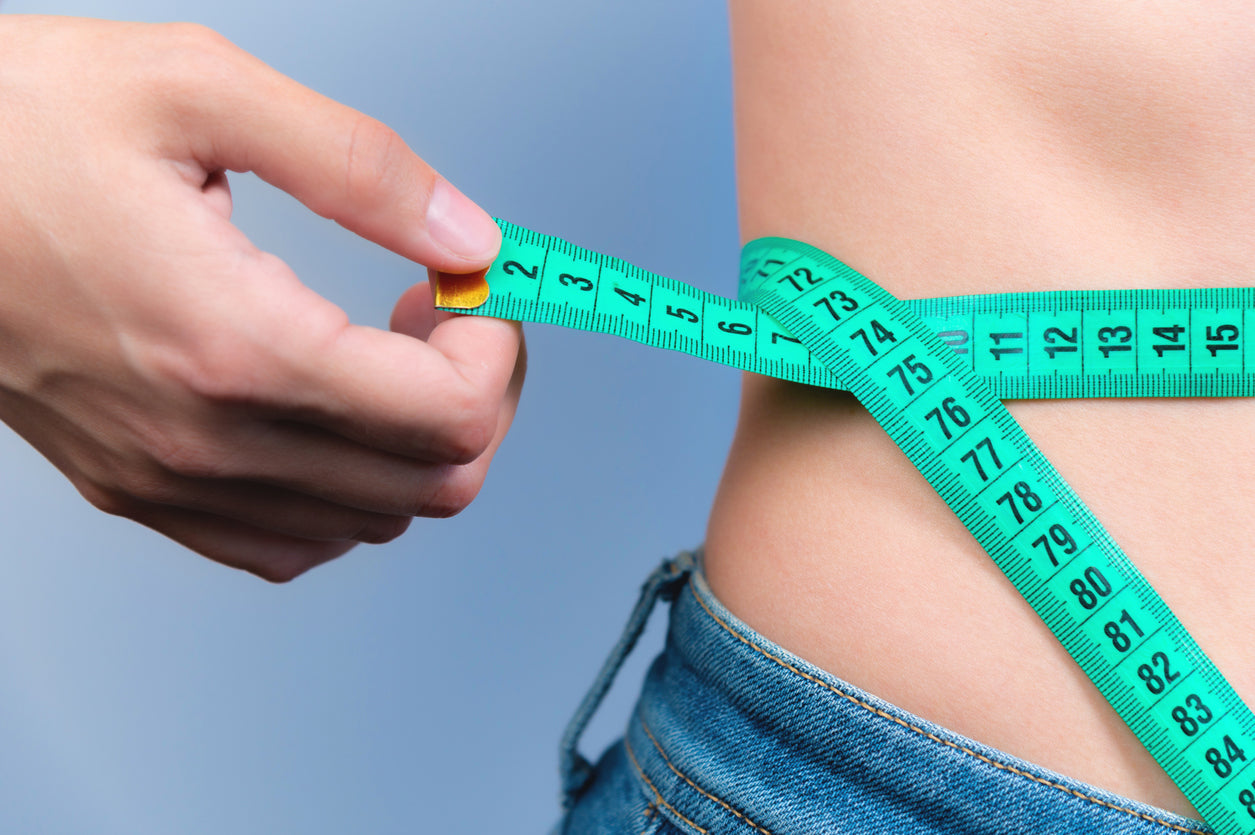
Healthy weight loss is a trend and an important goal for many people. The desire to feel good physically and stay fit at the same time has become increasingly important in recent years. However, the path to a healthy body image is often characterized by misunderstandings and short-term solutions.
The challenge lies not only in losing weightbut also learning to lead a healthy lifestyle. This is what it's all about, nutritionexercise and mental aspects in harmony. Choosing the right foods also plays a crucial role in this process.
In this article, you will learn ten effective tips to help you lose weight healthily and happily. Let's find out together how you can improve your body image and achieve long-term success.
Reduce weight
Losing weight requires patience and planning. A realistic goal is to lose about half a kilogram per week. To achieve this, you should have a daily calorie deficit of 300 to 500 kcal per day.
Muscles play an important role in losing weight. They increase the basal metabolic rate and help to burn kilos of fat without losing muscle mass.
To increase the yo-yo effect the calorie reduction should be done slowly. This will ensure lasting results. Avoiding alcohol is also advisable, as alcohol impairs the utilization of healthy fats and nutrients.
Here are some tips for a healthy weight:
- Drink a glass regularly of water.
- Choose foods rich in fiber.
- Focus on Healthy fats.
- Swap processed foods for Fresh ingredients.
- Use delicious recipe ideas.
- Take the stairs instead of the elevator.
The right motivation is crucial. Set yourself realistic goals and monitor your progress. If you know how, you can make your meals simple and healthy Lose weight promote healthy weight loss.
The importance of weight loss
Weight loss is an important issue for many people. In order to lose weight effectively, you need to calorie deficit achieve a calorie deficit. This means burning more calories than you consume. But beware: losing weight does not always mean losing body fat; sometimes you also lose muscle mass.
It is important to choose healthy methods. A good strategy includes Changing your dietmore physical activity and behavioral changes. High-fiber foods in particular can help because they keep you full for a long time and are low in calories.
Individual factors such as the starting weight, the type of exercise and the diet play a major role. Predicting weight loss is therefore often difficult.
Tips for healthy weight loss:
- Drink a glass regularly of water.
- Bet on Healthy fats and avoid processed foods.
- Set realistic goals.
- Choose the stairs instead of the elevator.
- Plan balanced meals.
Remember: losing weight does not necessarily change the way you feel about your body or the way you look. health. It is more important to feel good and achieve a healthy weight.
The basics of healthy weight loss
Successful and sustainable weight loss is based on various basic principles. One calorie deficit of around 300 to 500 kcal per day is necessary to reduce fat and maintain muscle mass. It is important to avoid extreme diets. These are often difficult to maintain and can lead to nutritional deficiencies. Regular exercise is crucial. It increases energy consumption and helps to maintain or build muscle mass. Alcohol should also be avoided while losing weight, as it increases the fat loss inhibits fat loss. It is also important to note the difference between weight and fat reduction. Losing weight does not automatically mean improving body composition.
The role of nutrition
Nutrition plays a central role in weight loss. A calorie deficit between 200 and 500 calories per day is optimal. A balanced macronutrient distribution is important. It should carbohydrates, proteins and fats. It is not necessary to avoid certain food groups. Rather, it is about consuming everything in moderation. Slow and steady weight reduction helps to ensure long-term success and avoid yo-yo effects. Those who follow an adapted diet does not have to give up everything and can still lose weight without compromising their quality of life.
The role of exercise
Exercise is an important building block for weight loss. Regular physical activity increases energy expenditure. It also helps to maintain or build muscle mass, which increases the basal metabolic rate. Sport has many positive effects on the health and quality of life. A mixture of endurance- and strength training is ideal for losing weight. Those who lose weight during and after diet active during and after a diet will need fewer calories to maintain the reduced weight. Exercise facilitates the fat loss and makes fat storage more difficult.
The importance of water absorption
Adequate fluid intake is crucial for weight control. Water can reduce cravings and is better than sugary drinks. drinks. Such drinks contain empty calories which Lose weight counteract. Even if much water drinking a lot of water does not calorie consumption calorie consumption, it supports a healthy diet and the metabolism. A good hydration helps the body to utilize carbohydrate stores more effectively, resulting in temporary weight loss can lead to temporary weight loss. Too little water can cause the body to store more fat and work less efficiently, which has a negative effect on the weight loss process.
Nutrition tips for sustainable weight loss
Sustainable weight loss consists of Changing your dietmore exercise and behavioral changes. Healthy weight loss means losing about half a kilo a week. A calorie deficit is important for losing weight. This means burning more calories than you consume. Crash diets are not a good idea. They can weaken the body and be harmful to health in the long term. When losing weight it is important not only to lose weight, but above all to lose fat and maintain muscle.
Protein-rich foods
Protein-rich foods are important for the body. They help to repair cells and maintain muscles. Meat, fish, eggs and pulses are good sources of protein. Pulses such as peas and lentils also provide many dietary fiber. They should be included in your diet at least once a week. Protein improves the metabolism and can increase the feeling of satiety. Tables show that chicken, salmon and chickpeas contain a good portion of protein per 100 grams.
Foods rich in fiber
Dietary fiber are ideal for increasing the feeling of satiety. They are difficult to digest, which makes you feel fuller for longer. You can increase your fiber intake with foods such as vegetables, fruit and wholegrain products. Dietary fiber also helps to eliminate excess calories. It is important to eat enough water to drink in order to digestion promote digestion.
Healthy fats
Healthy fats are an important part of the diet. They should make up about 30 percent of your daily calories. Vegetable oils such as rapeseed or olive oil are good options. These fats help to regulate the hormone balance and promote the Muscle building. Avoid fats such as coconut and palm oil as they can be unhealthy. Vegetable spreads are a healthy alternative to butter.
Here is an overview:
|
Food |
Properties |
|---|---|
|
Salmon |
Rich in protein, healthy fat |
|
Peas |
High in protein and fiber |
|
Olive oil |
Healthy fat |
|
Wholemeal bread |
High in fiber |
|
Eggs |
High in protein |
Follow these tips to lose weight and stay fit in a healthy way.
Avoid unhealthy foods
Unhealthy foods such as potato chips and sweets often lead to weight gain. Instead, eat fiber-rich foods such as vegetables, fruit and whole grain products. These support healthy weight loss. Processed foods often contain unhealthy fats and sugars that hinder the weight loss process. A balanced diet with little high-fat meat and lots of vegetables promotes a healthy weight.
Hidden sugar
Hidden sugar can lurk in savory foods, which increases sugar intake. High amounts of sugar cause blood sugar spikes that trigger cravings. To avoid this, fruit yogurts and ready meals should be chosen carefully. Avoiding hidden sugar is essential to prevent unwanted weight gain.
Light products
Light products promise fewer calories, but often replace fat with sugar. Despite calorie reduction to unbalanced diet lead to an unbalanced diet. In addition, such products are often less filling, which can lead to increased consumption. Pay attention to ingredients and give preference to natural foods. A healthy diet includes balanced meals with a high proportion of healthy fats and proteins that Sustainable satiating.
Strategies for meal planning
A flexible meal planning can help to reduce cravings for forbidden foods. Small "sins" are allowed! This will make you feel less frustrated and help you to keep going. Eating at set times can also be useful. It helps to regulate your eating behavior and avoid cravings.
When shopping, it is important to never go to the store hungry or without a shopping list. This prevents rash purchases and promotes healthier choices. You should also avoid stockpiling unnecessary food. This reduces the temptation to buy unhealthy snacks to eat. Reward yourself for success in losing weight with activities such as going to the movies or a concert. This keeps the motivation high.
Healthy snacks prepare
Healthy snacks prevent cravings between meals. Fruit, raw food and nuts are ideal options. Almonds, walnuts and chia seeds offer many dietary fiber and are ideal as a snack. Pulses such as peas, beans and lentils are also rich in protein and fiber.
It is advisable to eat at least five portions of fruit and vegetables a day. This increases fiber intake and supports the health. Snacks with a high sugar content should be reduced in order to blood sugar level stable.
Plan meals in advance
Careful meal planning is crucial for healthy eating. weight loss. Plan meals a few days in advance and create a shopping list based on recipes. This method avoids buying unhealthy snacksthat can cause cravings.
Tip: Cook a little more in advance on stressful days. Leftovers can easily be frozen and used as a quick meal. Balanced, planned meals prevent cravings and the need to reach for unhealthy foods. snacks.
List for a good meal planning:
- Plan for several days in advance.
- Create a shopping list every week.
- Cook larger quantities and freeze leftovers.
- Reward success with activities instead of food.
Psychological aspects of weight loss
The support from family and friends can be very motivating. They help to make the weight loss process easier. It is important to give yourself time and celebrate small successes. This promotes mental health. Strategies such as fixed meal times are helpful. A shopping list can also help to control eating more consciously. Impulsive eating can thus be avoided. Psychological tricks not only influence eating, but also attitudes and emotions. Losing weight in groups of like-minded people offers additional psychological benefits. Community support and motivation are important.
The conscious enjoyment of food
Consciously enjoying food means presenting meals in an appealing way and eating slowly. You will feel full after about 20 minutes. To eat more slowly, you can choose two types of food per plate. You should wait a few minutes after the first course. This often reduces the desire for a second helping. Small plates help to control the portion size. Studies show that larger plates often lead to larger portions. Foods with a high cocoa content, such as dark chocolate, can reduce sweet cravings. Steaming. At the same time, they promote the production of serotoninthe happiness hormone.
Changing your eating behavior
To lose weight successfully, meals should be filling and low in energy. This prevents cravings. You can consciously perceive feelings of hunger and satiety. Taking a break from eating for four to five hours helps. Eating slowly and chewing frequently are important. This allows you to recognize the feeling of fullness while you are eating. Eating without distractions such as television or smartphones is advisable. This helps you to concentrate better on your food. Sustainable weight loss requires a structured change in diet. This means reducing unhealthy foods and favoring nutrient-rich foods.
|
Tips for weight loss |
Description |
|---|---|
|
Fixed meal times |
Supports conscious eating |
|
Use small plates |
Helps to control portion sizes |
|
Select food |
Two varieties per plate promotes slow eating |
These measures contribute to successful and healthy weight loss.
Consciously enjoying food
Consciously enjoying food can help to reduce weight and have a positive influence on eating behavior. Here are some tips on how to eat more mindfully:
- Eat slowlyTake your time with each meal. The feeling of fullness sets in after about 20 minutes, so eat slowly.
- Two varieties per plate: Limit the choice to two different foods on your plate to keep the focus on the flavor and eat more slowly.
- Take breaksWait a few minutes after the first course before going back for seconds. This often reduces the craving for more food.
- Use small platesUse smaller plates to better control portion sizes. Studies show that larger plates can lead to larger portions.
- Enjoy dark chocolate: Eating foods with a high cocoa content, such as dark chocolate, can curb sweet cravings and increase the production of the happiness hormone serotonin hormone.
These simple changes can significantly help to improve control over eating behavior and maintain a healthy body weight.
Changing your eating behavior
To successfully change your eating habits, it is important to pay attention to your hunger and avoid cravings. A good method is to take four to five hour breaks between meals. This makes it easier to feel full.
Eating slowly and chewing thoroughly also promotes the feeling of fullness. It usually sets in after 20 minutes, but with these tips you will feel it while you are eating.
Make sure you eat without distractions such as television or smartphones. This will allow you to concentrate fully on your food and enjoy your meals more consciously.
Sustainable weight loss requires a a change in diet. You should consume fewer unhealthy foods and more fiber-rich and nutrient-rich foods.
Tips for changing your diet:
- Eat slowlyTake your time for each meal.
- Take breaks between mealsFour to five hours between meals.
- Avoid distractions: Focus on the food.
- Nutrient-rich foods: More vegetables and Healthy fats into the diet.
This will make your meals filling and help your body to lose weight healthily.
Slow and sustainable weight loss
Slow and sustainable weight loss can be achieved through a balanced diet. diet and regular exercise. You can lose a healthy 16 to 30 kilos per year. Such weight loss requires a calorie deficitwhich occurs when you consume more calories than you take in. Diets such as the Mediterranean diet and the DASH-Diet support this. They focus on fresh vegetables, whole grains and avoiding red meat. A changed lifestyle with healthy dietpaired with exercise is the key to sustainable health. weight loss.
|
Tip |
Description |
|---|---|
|
Nutrition customize |
More vegetables and Healthy fats into the diet. |
|
Integrate exercise |
Regularly Sport Exercise to burn calories. |
The danger of crash diets
Crash diets promise quick results, but are often not Sustainable. The result is often a rapid loss of water and muscle mass instead of fat. This can lead to a lean-fat state in which the body composition remains unflattering. A greatly reduced food intake carries the risk of deficiency symptoms. Crash diets also increase the risk of muscle loss, especially in older people. Rapid weight loss reduces weight loss success in the long term, as body fat often remains protected.
Tips against the yo-yo effect
To avoid the dreaded yo-yo effect crash diets should be avoided. These slow down the metabolism and lead to cravings. Strive for a calorie deficit of around 500 kcal per day for a steady change in weight. A balanced diet without strict prohibitions helps to reduce frustration. The regular consumption of calorie-free drinks such as water or tea supports a healthy eating habits and helps to calorie intake reduce calorie intake.
- Calorie deficit plan: Set a daily target of around 500 kcal.
- Eat a balanced diet: Enjoyment without prohibitions to avoid cravings.
- Calorie-free drinks: Lots Water or unsweetened tea drink.
The importance of sleep
Sufficient sleep is crucial for weight loss. During our night's rest, our body uses fat reserves to generate energy.
In the sleep important cell repairs take place that are essential for health and well-being. A restful sleep also supports the metabolism. It enables the body to make optimum use of fat reserves in order to energy to gain energy.
Benefits of adequate sleep:
- Promotion of fat loss
- Improvement of metabolic function
- Regulation of the food intake requirement
A lack of sleep can disrupt this process. The body is then often more focused on processing food instead of fat reserves. This can increase the craving for excessive food intake.
In summary, good sleep has a positive effect on the efficiency of food utilization and general well-being. So make sure you get enough and high-quality sleep to support your healthy weight.
Integrating exercise into everyday life
To reduce and maintain weight, it is important to integrate exercise into your daily routine. Small changes can make a difference. Instead of taking the elevator, you can take the stairs. Shopping can be done on foot.
Tips for integrating exercise:
- Walk short distances: Avoid the car when possible.
- Cycling: Use the bicycle for everyday journeys.
- Household activities: Cleaning and gardening are effective movements.
These activities help to burn 300 to 500 calories a day. Just 30 to 60 minutes of moderate exercise a day has a positive effect on the health. Regular exercise improves the cardiovascularhealthlowers blood pressure and reduces abdominal fat.
Benefits of exercise:
- Control of body weight
- Improved blood sugar processing
- Long-term motivation
- Social interaction in sports groups
Exercise not only helps with losing weightbut also helps you keep the weight off. A few changes in everyday life can deliver amazing results.
Conclusion and next steps
Losing weight does not necessarily mean losing fat. It's important to know the difference and target kilos of fat loss while maintaining muscle mass. Muscles protect bones and joints, improve posture and reduce the risk of injury. Especially with increasing age and after menopause can lead to a dangerous increase in abdominal girth. Intermittent fasting can help to reduce the calorie intake while promoting healthy habits.
Set long-term goals
Set yourself realistic goals. Losing half a kilogram per week is achievable and keeps the motivation up. Avoid the yo-yo effect by losing weight slowly but steadily. A positive change in diet is the key to healthy and long-term weight loss. A daily calorie deficit of around 500 kcal is sensible in order to lose weight without nutrient deficiency.
Find sources of motivation
Realistic planning is crucial for sustained motivation. Set achievable goals to track progress. A balanced dietrich in fiber-rich foods, strengthens the well-being and the motivation. Avoid crash diets to prevent setbacks. Small, regular successes have a motivating effect and support you on the way to a healthy weight.
Fast Lose weight: 10 top tips for losing fat!
Quick lose weight requires discipline and planning. Here are 10 tips to successfully lose kilos of fat:
- Calorie balance: Make sure you eat fewer calories than you burn. A balanced diet is important.
- Children and householdPrepare meals easily to stay in control.
- Regular mealsPlan fixed meal times to avoid uncontrolled snacking.
- Dietary fiber and proteinsConsume fiber-rich foods and protein-rich foods to improve the feeling of satiety.
- Get enough sleep: Sleep enough to keep your metabolism to support your metabolism.
- No alcohol: Avoid alcohol to support your weight loss promote your weight loss.
- Strength training: Maintain or build muscle mass to increase your basal metabolic rate.
- Endurance training: Integrate regular endurance training.
- Realistic goal: Set yourself realistic goals to improve your motivation to keep you motivated.
- Hydration: Drink glass regularly of waterespecially before meals.
Use these tips to reach your healthy weight goal!
Fast Lose weight by crashdiet?
Fast Lose weight with crash diets sounds tempting, but carries many risks. These diets often lead to muscle loss, which lowers the basal metabolic rate. As a result, the body needs less food. After the diet many return to their old eating habits and quickly put on weight again. In addition, there is a risk of nutrient deficiency, which can lead to the immune system weakens the immune system.
Advantages of realistic weight reduction:
- Maximum 500 g weight loss per week
- Lower risk of food cravings
- More sustainable results
Crash diets often go in an unhealthy direction. One-sided diets with severe calorie restrictions are difficult to maintain. They jeopardize the supply of vital nutrients. nutrients. A balanced diet with fiber-rich foods is better.
Tips for healthy Lose weight:
- Set realistic goals
- Integrate Healthy fats into the diet
- Avoid processed foods
- Drink enough water
In summary, being patient and healthy weight loss is more effective in the long term. Realistic goals support long-term success. Replace crash diets with balanced meals for a healthy weight.
Source: istockphoto
yanik88
0 Comments