
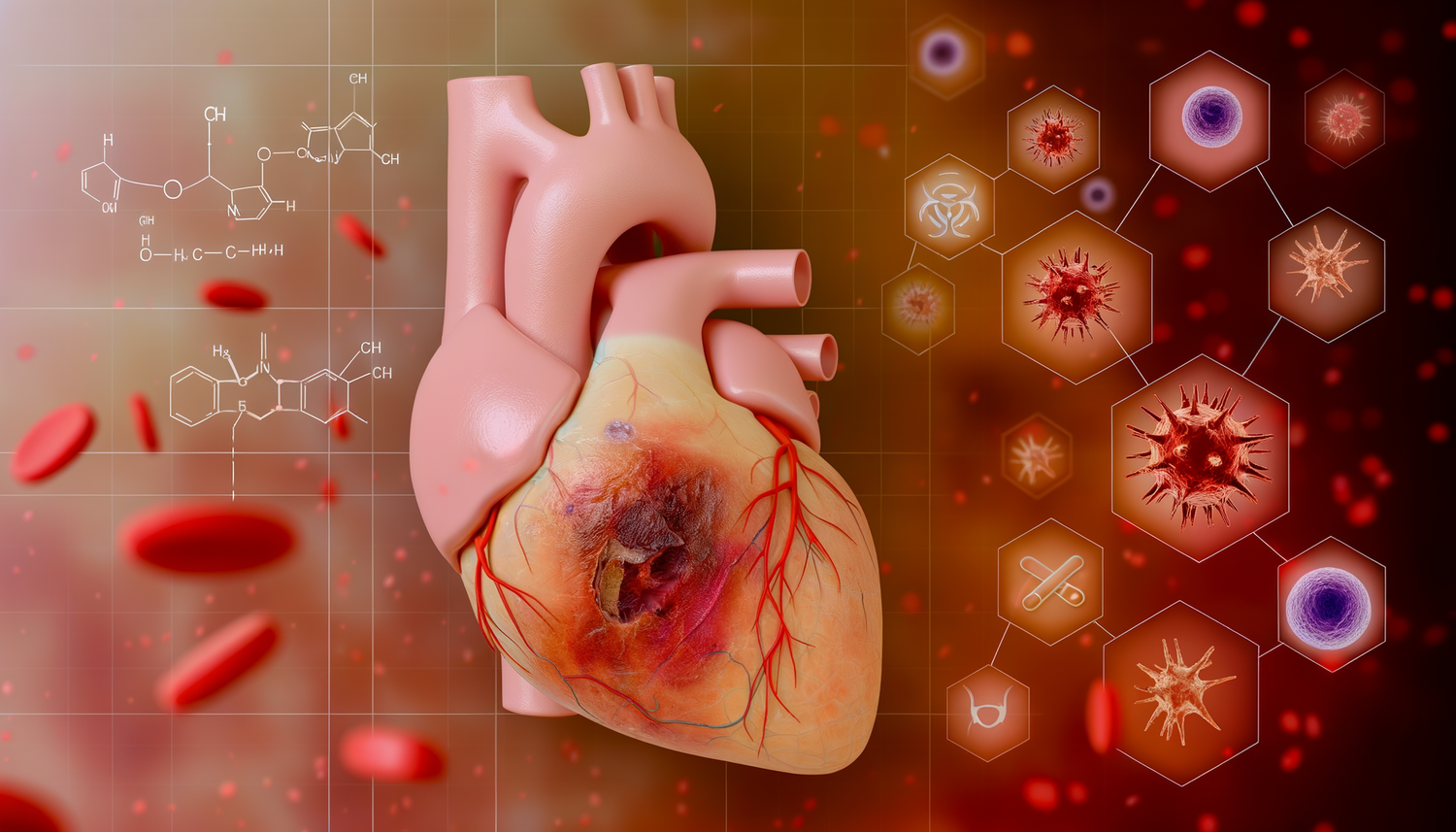
Myocarditis: A silent threat to heart health heart health
Imagine a young, healthy person who suddenly develops chest pain and shortness of breath. They might think it's just stress or a minor problem - but it could be something much more serious: a myocarditisalso known as myocarditis. This disease can sneak up on you like an invisible enemy and become life-threatening if it is not recognized and treated in time.
What is myocarditis?
Myocarditis is an inflammation of the myocardiumthe muscular tissue that drives the heart. This inflammation can be caused by various triggers:
-
Viral infections (e.g. enteroviruses, adenoviruses or parvovirus B19)
-
Bacterial infections
-
Autoimmune diseasesin which the immune system the own heart muscle attacks
-
Certain medications or toxins
The inflammation weakens the heart musclemaking it less efficient at pumping blood. This can lead to a domino effect that puts the entire cardiovascular system at risk.
Why is myocarditis so dangerous?
Myocarditis is not a harmless disease - it can have devastating consequences:
-
Heart failureThe heart can no longer pump enough blood to supply the body.
-
Heart rhythm disturbances (arrhythmias)Irregular heartbeats can be life-threatening.
-
Sudden cardiac death: Myocarditis is one of the main causes, especially in young people.
According to the myocarditis Foundation myocarditis is responsible for a significant proportion of sudden cardiac deaths in people under the age of 40. The insidious thing is that the disease can worsen rapidly, and in some cases the damage to the heart remains permanent. heart muscle permanent.
Recognizing the symptoms
The symptoms of myocarditis are often deceptive as they vary from person to person. The most common include:
-
Chest pain or a feeling of pressure in the chest
-
shortness of breathespecially on exertion
-
fatiguethat goes beyond the normal
-
palpitations or irregular heartbeat
-
swellings in legs, ankles or feet
-
flusimilar symptoms like fever or muscle pain (for viral causes)
However, some sufferers feel nothing at all - until it is too late. This silence is what makes myocarditis so dangerous.
How is myocarditis diagnosed?
Diagnosis is a challenge, as the symptoms can be similar to other illnesses, such as a heart attack or pneumonia. Doctors rely on a combination of methods:
-
Medical history and physical examinationInitial indications from the patient report
-
Blood tests: Detection of inflammatory markers or infections
-
Electrocardiogram (ECG)detection of abnormal heart rhythms
-
Echocardiogram: Ultrasound to assess heart function
-
Cardiac MRI: Detailed images of inflammation or scars
-
Endomyocardial biopsy: In rare cases, a tissue sample for confirmation
Early detection is crucial, but the non-specific symptoms often make this difficult.
Treatment of myocarditis
Treatment depends on the cause and severity. Possible approaches are
-
Medication to reduce inflammation (e.g. corticosteroids)
-
symptom-relieving medications (e.g. beta blockers, ACE inhibitors)
-
Antiviral or antibiotic agentsif an infection is present
-
Hospitalization for severe cases, including intensive monitoring
-
Mechanical support or transplantation in extreme cases
The earlier treatment begins, the better the chances of recovery. However, if diagnosis is delayed, the heart can suffer irreparable damage.
Myocarditis in figures
The figures underline the relevance of this disease:
-
Worldwide, around 1.5 million people a year suffer from myocarditis every year.
-
In the USA, it causes around 10% of sudden cardiac deaths in young adults.
These statistics show: Myocarditis is not a rarity, but a real danger.
A real example
Let's look at the story of John, a 28-year-old marathon runner. In the middle of the race, he suddenly collapsed. At the hospital, it turned out that viral myocarditis had attacked his heart. Despite his topfitness John needed intensive treatment and a long recovery period. His experience shows how unpredictable and serious this disease can be - even for the fittest among us.
Protect your heart
Myocarditis can affect anyone, regardless of age or fitness level. The key to warding off this danger lies in early detection and rapid treatment. If you experience symptoms such as chest pain, shortness of breath or unexplained fatigue, don't hesitate - see a doctor immediately. A healthy lifestyle and managing existing health problems can also reduce your risk.
Share this articleto raise awareness of myocarditis and help others reduce their risk. heart health protect their heart health.
0 Comments