
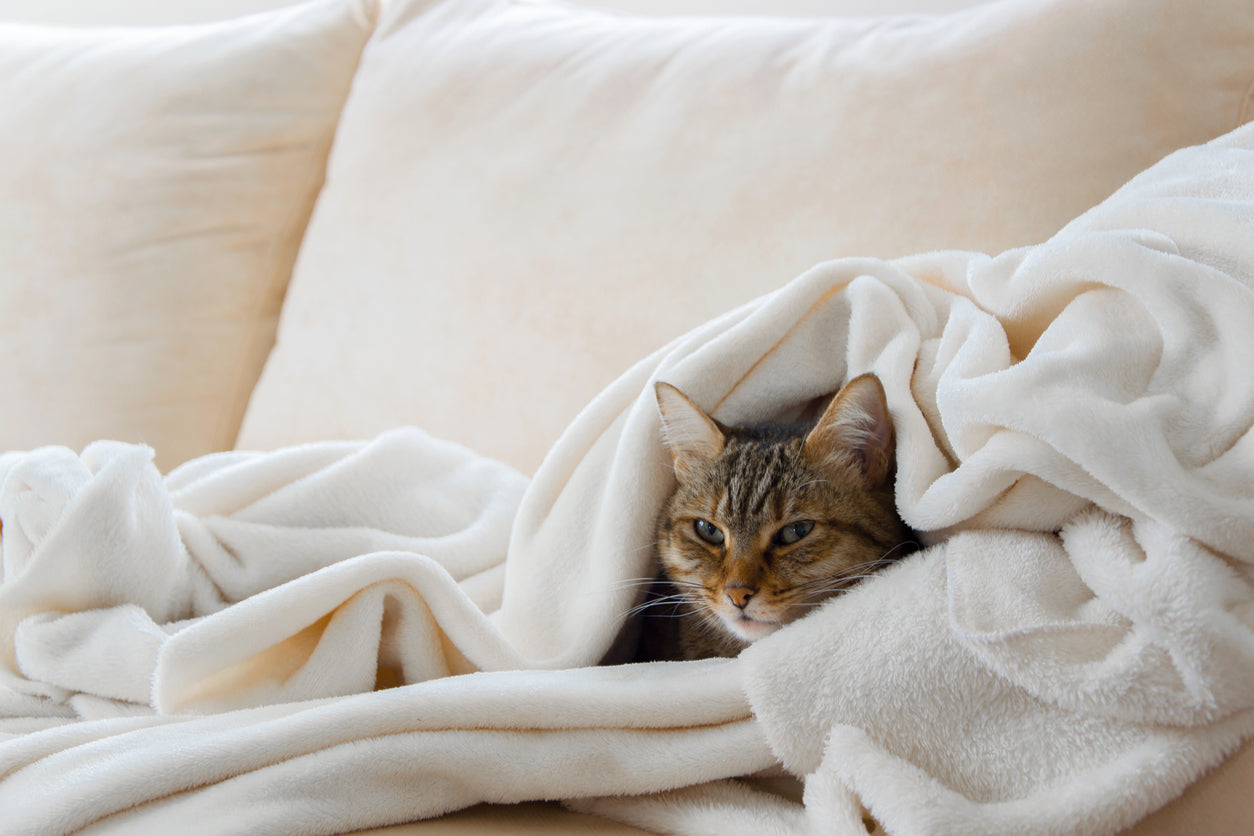
Cats are not only our faithful companions, but also sensitive creatures that are susceptible to various diseases. One of the most common diseases in cats is cat fluan infectious disease that can cause both serious health problems and great stress for our furry friends.
In this article you will learn what cat flu exactly, what causes and symptoms can occur, as well as effective prevention and treatment options. This will help your cat get back on its feet quickly and ensure that it is healthy and lively again soon.
What is cat flu?
Cat flu is a contagious disease in cats. It leads to inflammation of the respiratory tract and eyes and can also affect the skin and lungs in severe cases.
Main causes and pathogens:
- Feline calicivirus (FCV)
- Feline herpesvirus-1
- Bacteria like Chlamydophila felis
Junge cats and those with a weak immune system are particularly at risk. The disease can lead to serious complications such as bone loss or eye damage.
Typical symptoms:
- Sneezing and nasal discharge
- Feverish illnesses
- Feeling unwell
- Crusty or sticky eyes
Premature general examination by the vet is important. For treatment of cat flu sick animals can usually recover within 10 to 20 days.
Prevention: The vaccination against cat flu protects healthy cats and reduces the risk of severe cases.
Dealing with the disease:
- Avoid direct contact with sick animals
- Pay attention to hygiene in confined spaces
- Offer soft food in case of loss of appetite
One targeted treatment and prevention are crucial to maintaining the cat's health.
Introduction to Cat flu
Cat colds is a contagious disease in cats. It is caused by various pathogens such as Feline Calicivirus, Feline Herpesvirus-1 and Chlamydophila felis.
Typical symptoms:
- Eye and nasal discharge
- Sticky and crusty eyes
- Sneezing and fever
The disease usually spreads through direct contact or indirect contact via infected surfaces. Especially young cats or animals in confined spaces are particularly at risk.
Bacterial infections such as Feline Bordetella infection and Mycoplasma infection can exacerbate the situation. A general examination is crucial to initiate the correct treatment steps.
Treatment of Feline rhinitis:
- Medicationto combat bacterial infections.
- Soft foodmakes it easier for the sick animal to eat.
- CareClean eyes and nose.
One vaccination against cat flu is the best protection. It can help to prevent healthy cats reduce the risk of chronic disease.
Preventive measures and good hygiene can reduce the spread of the disease. cat flucan be effectively controlled.
Causes of cat flu
Cat colds is mainly caused by various pathogens. The most common pathogens are the feline herpes virus and the feline calicivirus. These viruses are highly contagious and lead to inflammation of the upper respiratory tract, the mucous membrane of the mouth and the conjunctiva.
Junge Cats and those with a weakened immune system are particularly susceptible. Stress can exacerbate the symptoms and increase infection. The infection can be multifactorial. This means that several pathogens can contribute to a more severe disease at the same time.
Viruses and bacteria as pathogens
Cat flu is caused by viruses such as Feline Herpesvirus 1 (FHV 1) and Feline Calicivirus (FCV). These often occur together. Bacterial pathogens include Chlamydia, Mycoplasma and Bordetella bronchiseptica. These bacteria exacerbate the disease.
The disease is transmitted through direct contact with cats or through infectious droplets and smear infections via objects and food. An exact diagnosis of the pathogens is only possible with laboratory tests.
The feline alphaherpesvirus 1 (FeHV1)
Feline alphaherpesvirus 1 (FeHV1) is also known as feline viral rhinotracheitis. It is one of the main causes of cat flu. The pathogen mainly infects feline animals. The virus can be detected in secretions within 24 hours of infection.
It survives outside the host for a maximum of 24 hours. Many disinfectants are effective against it. Transmission occurs through direct contact with infected animals, but also indirectly via humans, feed and cleaning equipment. Without treatment, FeHV1 can lead to serious complications.
The feline calicivirus (FCV)
The feline calicivirus (FCV) is also a major cause of Cat flu. It triggers infectious respiratory diseases respiratory diseases. Together with other pathogens, FCV can lead to severe mixed infections. Direct contact and contaminated objects are transmission routes.
Some FCV variants are particularly contagious and lead to unusual symptoms. In some cases, these can be fatal. FCV remains infectious for a long time on objects or care utensils and can therefore be easily spread in multi-cat households or animal shelters.
Symptoms of Cat flu
Cat colds is an infectious disease of the upper respiratory tract in cats. Typical symptoms are sneezing, nasal discharge, watery eyes and fever. These signs indicate a respiratory infection. Loss of appetite and weight loss may also occur, as affected cats often have difficulty swallowing. Cough and rattling breathing noises are further signs. If left untreated cat flu can lead to serious complications. These include bone atrophy of the nasal concha, blindness and chronic diseases.
Sneezing and nasal discharge
Sneezing and nasal discharge are typical signs of cat colds. cats often show mucous or watery discharge, which can get worse. Heavy nasal discharge can leave crusty patches on the nostrils. This indicates a progressive disease. Intense sneezing can irritate the airways. In severe cases, the discharge becomes purulent and may be associated with coughing and breathing difficulties. The pathogens of cat flu can also affect other organs if the immune system is weakened.
Respiratory problems
Breathing difficulties are common symptoms of cat colds. They often result from inflammation of the airways. Cats with severe cat flu can pneumonia and severe shortness of breath have. Feline Bordetella infection often causes abnormal breathing sounds. Chronic respiratory problems can develop if the disease is not treated. This leads to constant inflammation of the airways. Essential oils such as chamomile oil can sometimes be used to relieve breathing difficulties.
Other common signs
Other signs of Cat flu are fever, reduced appetite and fatigue. Cough and crusty noses can be observed in advanced cases. Blisters on the mucous membrane and tongue can also occur. Untreated symptoms lead to complications such as chronic inflammation and pneumonia. Nasal and ocular discharge as well as inflammation of the mouth and gums are common indications of cat flu.
Infection and transmission
Cat flu is a contagious disease that is mainly transmitted from cat to cat through direct contact. Outdoor cats and Cats in multi-cat households. Indirect contact can also lead to infection. Shared objects such as scratching posts and feeding areas are possible sources of transmission. The virus can also be transmitted when playing, grooming or fighting.
|
Transmission routes |
Examples |
|---|---|
|
Direct contact |
Playing, cleaning, fighting |
|
Indirect contact |
Shared objects, clothing |
Cat cold remains infectious as the pathogens can survive in the secretions for a short time without a host. Even indoor cats are at risk if viruses and bacteria are brought in from outside via shoes or clothing.
In rare cases, the pathogens, such as Bordetella bronchiseptica, can also spread to humans. This mainly affects immunocompromised people and young children. Protective measures such as regular vaccinations and hygiene help to reduce the risk.
Preventive measures
Cat flu is a serious disease that can be avoided through targeted prevention. Regular vaccinations, high-quality nutrition and hygienic measures are crucial to ensure your cat's well-being. Careful grooming and avoiding crowded places also contribute to good health.
Vaccinations against cat flu
The vaccination against cat flu is a core vaccination that has been approved by the Standing Vaccination Commission Veterinary Medicine is recommended. It provides effective protection against herpes and caliciviruses. Basic immunization begins from the 8th week of life with boosters in the 12th and 16th week. Thereafter, re-vaccinations are necessary every 1 to 3 years, depending on the vaccine and life circumstances. The vaccination costs around 25 to 35 euros and can be covered by some cat insurance companies. Although it does not protect against bacterial infections, it significantly reduces the risk of severe cases.
Hygiene measures to prevent the spread of the disease
Thorough hygiene in the household is essential in order to cat flu prevent cat flu. Change bowls and blankets regularly and clean toys. Avoid staying in boarding kennels or places with lots of other cats. Reduce stress by providing fixed resting places and a regulated environment that strengthens the immune system. At the first signs of an infection, separate the sick cat from healthy cats. cats. This protects against the spread of the disease. Pay attention to hygiene measures to prevent transmission to humans, especially in people with weak immune systems.
|
Hygiene measures |
Tips for implementation |
|---|---|
|
Regular cleaning |
Bowls, beds and toys |
|
Stress reduction |
Retreats, creating a quiet environment |
|
Separation of sick animals |
Isolation in the event of symptoms of illness |
Follow these steps to proactively safeguard your cat's health and prevent the spread of cat flu prevent the spread of cat flu.
Diagnostics
The diagnosis of cat flu usually begins with typical symptoms such as sneezing, nasal discharge and watery eyes. An experienced vet will carry out a clinical examination. Swabs from the mucous membranes are necessary to clarify the exact cause of the disease. Blood tests help to identify possible underlying diseases. It is important to rule out similar diseases. For example, Feline asthma or infections with Capillaria aerophila can have similar symptoms. Laboratory tests are not always conclusive. A comprehensive medical history and clinical examination are therefore crucial. Samples from the nose, conjunctiva or throat allow additional tests to identify specific pathogens.
The importance of early diagnosis
An early diagnosis of cat flu is crucial. It enables effective treatment, often with antibiotics, and can thus prevent serious complications. The sooner the vet is consulted, the greater the likelihood of controlling the symptoms at an early stage. A mild form of cat flus can subside within a few days if treated promptly. Severe cases, however, require longer recovery times. Since cat flu highly contagious, a rapid diagnosis helps to prevent transmission to other cats. cats in the household. With timely diagnosis and treatment, the cat is usually symptom-free after three weeks, provided no additional complications occur.
Examination methods at the vet
If you suspect cat flu the vet will carry out a general clinical examination. A swab of the mucous membranes of the nose, mouth and eyes identifies the pathogens and enables targeted therapy. Blood tests help to identify underlying diseases or a weakened immune system. The PCR test is the standard diagnostic method for feline caliciviruses and feline herpes viruses. In chronic or severe cases, X-rays may be necessary to check for possible organ damage.
Examinations at the vet:
- General clinical examination
- Swabs of the mucous membranes
- Blood tests
- PCR test
- X-rays for severe cases
A careful and thorough examination by a veterinarian is crucial for the successful treatment of cat flu.
Treatment options
Cat colds is a contagious disease in catswhich is caused by various pathogens such as viruses and bacteria. Timely and effective treatment is crucial to avoid complications and chronic disease. Here are some approaches for the treatment of cat flu.
Drug treatments
The treatment of cat colds usually involves the administration of antibiotics such as amoxicillin and tetracycline to combat bacterial infections. These medications help to prevent secondary infections. As several pathogens are often involved, veterinarians also use broad-spectrum antibiotics such as chloramphenicol. These can combat a wide range of pathogens, although the risks are carefully weighed up. Immunoglobulins and feline interferon are also used to support the immune system and help strengthen the body's defenses.
Home remedies to support healing
Home remedies can support the healing of cat colds but are no substitute for professional treatment by a vet. If the mucous membranes are stuck together, it helps to regularly remove secretions from the cat with a damp, lukewarm cloth. Vaseline can loosen heavy incrustations. It is important that the cat drinks enough. If necessary, water can be administered with a syringe. A warm, draught-free place promotes recovery and gives the cat the rest it needs.
Prognosis and consequences of Cat flu
Cat flu is a serious disease in cats. If left untreated, it can become chronic or even lead to death. Older or immunocompromised animals are particularly at risk. In young cats in the first few weeks of life, the mortality rate is particularly high.
Even with timely treatment, older cats cats often remain susceptible to recurrent conjunctivitis. These further weaken the immune system. Serious complications of untreated infections include bone loss in the nasal concha, blindness and mucosal ulcers.
The incubation period is between two and seven days, depending on the pathogen. It is therefore important to react quickly to symptoms such as discharge from the nose, sticky and crusty eyes.
Important consequences at a glance:
- Chronic illness
- Increased mortality rate in young animals
- Recurrent conjunctivitis
- Bone atrophy, blindness, mucosal ulcers
Quick action and the right treatment are crucial to avoid these consequences. Vaccination against cat flu can help to prevent healthy cats protect healthy cats.
When should you see a vet?
Cat flu is a serious illness. If you suspect cat flu you should consult a vet immediately. The possible consequences can be more serious than an ordinary cold in humans.
When to consult a vet?
- If there are signs of shortness of breath.
- If the cat is eating badly or has a sore throat.
- If the weight is decreasing.
- If the cat shows signs of exhaustion.
The vet will carry out a general examination. This includes listening to the lungs to determine the severity of the disease. An exact determination of the pathogens is made by swabs of the mucous membranes and blood tests.
Why is a visit to the vet important?
- To obtain the correct diagnosis.
- Enable immediate treatment to avoid serious complications.
Speed is crucial to protect your cat's health. Don't wait until the symptoms get worse.
Causes - Why is my cat sneezing?
Cat colds is a common cause of sneezing in cats. This disease is caused by various viruses and bacteria of the upper respiratory tract. Typical pathogens are the Feline Calicivirus and the Feline Herpesvirus-1.
Possible causes of sneezing:
- Feline rhinitisInfection through direct or indirect contact with a sick cat.
- AllergiesRare, but possible, often triggered by irritants such as tobacco smoke.
- Dental problemsTooth root infections can enter the sinuses and cause sneezing.
Healthy cats can also carry and spread the pathogens without showing symptoms. This increases the risk of infection in confined spaces or in contact with conspecifics.
One vaccination against cat flu is recommended to reduce the risk. If typical symptoms such as sticky or crusty eyes and nasal discharge occur, a general examination by a vet should be carried out.
Symptoms - How does Cat colds noticeable?
Cat colds manifests itself through various symptoms. Typical signs are sneezing, sniffles and watery or sticky eyes. Crusty eyes can also occur.
An infection often leads to fever, fatigue and a reduced appetite. This can result in difficulty swallowing. Some cats also suffer from breathing difficulties, accompanied by coughing and nasal discharge. This discharge indicates inflammation of the nasal mucosa.
In severe cases cat flu can lead to serious complications. If left untreated cats a pneumonia or even blindness. The symptoms range from mild to severe, depending on the severity of the disease.
Typical symptoms of cat flu:
A quick and thorough general examination by a vet is important. It can help to assess the condition and start the right treatment.
Diagnosis - How to diagnose cat flu detect?
The diagnosis of cat flu is made by a vet. The vet will first ask about the cat's living conditions and vaccination status.
Typical symptoms:
- Sneezing
- Nasal discharge
- Watery eyes
These symptoms make it easier to recognize the disease at an early stage. To identify the exact cause of the disease, the vet takes swabs from the mucous membranes of the nose and eyes.
Examination steps:
- Clinical examination:
-
- General examination is crucial to rule out similar diseases.
- Laboratory tests:
-
- Analysis of swabs helps to identify specific pathogens.
- Examples: Feline herpesvirus-1, feline calicivirus.
The results of these tests enable targeted treatment of the affected cat. Comprehensive diagnostics are necessary as similar symptoms can also occur in other diseases.
Progression - How dangerous is Cat flu?
Cat colds is a serious disease of the upper respiratory tract. Various pathogens such as the feline herpes virus and feline calicivirus are often the triggers. Young, old or immunocompromised cats are particularly at risk. Cats. Indoor cats can also become infected.
Typical symptoms:
- Watery or mucous discharge from the eyes and nose
- Coughing
- Fever
- apathy
Without adequate treatment cat flu can cause serious complications. These include bone loss in the nasal concha, blindness and chronic discomfort.
Infection:
The disease is highly contagious, especially through direct contact between cats. Viruses can survive for a long time in the body of an infected cat and increase the risk of infection.
To avoid serious consequences, early treatment of cat flu is important. Vaccination can also protect against infection. Even healthy cats should be examined regularly by a vet to minimize the risk.
Treatment - Is Cat colds curable?
Cat colds is usually easily curable if it is recognized and treated quickly. The recovery period is usually 10 to 20 days. During this time you should keep an eye on the symptoms and seek veterinary advice if necessary. At the beginning of the disease, affected cats often show clogged eyes and nose. As the disease progresses, fatigue, apathy and fever may also occur.
Early veterinary treatment is crucial. Cats often require antibiotics and immunoglobulins to fight the infection. Without treatment, serious complications can occur. These include chronic cat flusinusitis or even death, especially in young, old or immunocompromised cats. cats. Infections with various bacteria or allergic reactions can make recovery more difficult.
How can I help my cat? - These home remedies help with cat colds
To help your cat with cat colds you can use some home remedies:
- Facial cleansing: Regularly clean your cat's face with a damp, lukewarm cloth. This helps to remove mucus from the eyes and nose.
- Adjust food: Soft or pureed food makes it easier to swallow. This ensures that your cat takes in enough food.
- Fluid intake: Does your cat need help drinking? Offer water with a syringe to ensure fluid intake.
- Recreation area: A warm place without draughts is important for your cat to rest.
- Inhalations: Warm water vapor inhalations with chamomile can soothe the respiratory tract and promote well-being.
Good care and attention can improve your cat's well-being and support the healing process.
Source: istockphoto Alikaj2582
0 Comments