
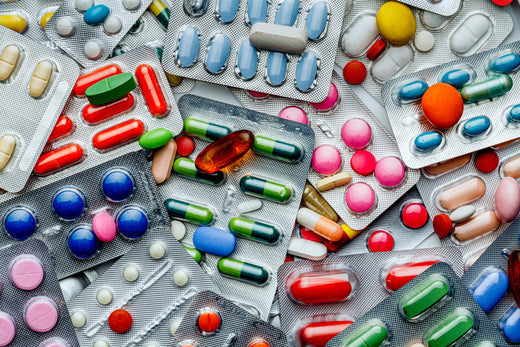
Die Entscheidung, ob man Generika oder Originalpräparate wählt, betrifft viele Menschen und hat weitreichende Auswirkungen auf die Gesundheitsversorgung. Immer mehr Menschen fragen sich, ob die günstigeren Generika dieselbe Wirksamkeit wie die teureren Originalmedikamente bieten.
Generika sind Nachahmerprodukte, die nach dem Ablauf eines Patentschutzes für Originalpräparate hergestellt werden. Im Gegensatz dazu sind Originalpräparate die ersten von einem Hersteller entwickelten Medikamente, die unter dem Markennamen vertrieben werden.
In diesem Artikel vergleichen wir umfassend die Unterschiede zwischen Generika und Originalpräparaten, beleuchten wichtige Aspekte wie Patentschutz, gesetzliche Regelungen, Bioäquivalenz und Kosteneffizienz sowie die Herausforderungen, die Patienten beim Wechsel zu Generika begegnen.
H1 Generika vs. Originalpräparate
Generika sind Nachahmerprodukte, die hergestellt werden, nachdem der Patentschutz eines Originalpräparats abgelaufen ist. Sie sind oft günstiger, da die Forschungskosten der Originalpräparate bereits gedeckt sind. Im Vergleich können Originalpräparate bis zu 20-mal teurer sein.
Ein Patentschutz schützt Originalpräparate für eine gewisse Zeit vor Konkurrenz. Dies erlaubt den Herstellern, ihre Forschungskosten zurückzugewinnen. Mit dem Ablauf des Patents können Generika auf den Markt kommen, was häufig zu sinkenden Preisen führt. Mehrere Unternehmen bieten dann ähnliche Produkte zu wettbewerbsfähigen Preisen an.
Eigenschaften von Generika:
- Gleiche Bioverfügbarkeit und Wirksamkeit wie das Original
- Strenge Prüfungen vor der Zulassung
- Günstigere Preise
Generika müssen vor ihrer Marktzulassung strengen Prüfungen unterzogen werden. Diese stellen sicher, dass Generika dieselbe Bioverfügbarkeit und Wirksamkeit wie das Originalpräparat haben.
Mit dem Einsatz von Generika werden verschreibungspflichtige Medikamente erschwinglicher für Verbraucher und Krankenversicherungen. Der Preis ist ein wesentlicher Unterschied, während die Wirkung gleich bleibt.
Definition von Generika
Generika sind Nachahmerprodukte von Originalmedikamenten. Sie enthalten den gleichen Wirkstoff, Wirkstoffgehalt und die gleiche Darreichungsform. Um auf den Markt zugelassen zu werden, müssen Generika die gleiche Qualität, Sicherheit und Wirksamkeit wie das Originalmedikament nachweisen. Obwohl sie sich in Namen und Preis unterscheiden, sind Generika in der Regel günstiger. Das liegt daran, dass die Forschungs- und Marketingkosten des Originalmedikaments nicht mehr anfallen. Generika werden von Zulassungsbehörden genauso streng geprüft wie Originalprodukte, um ihre Sicherheit und Wirksamkeit zu garantieren.
Definition von Originalpräparaten
Originalpräparate sind Arzneimittel mit neu entwickelten Wirkstoffen. Sie werden während des Patentschutzes exklusiv vom Patentinhaber produziert und vermarktet. Der Patentschutz gibt dem Hersteller das alleinige Recht, das Medikament herzustellen, was eine Konkurrenz durch Generika verhindert. Originalpräparate zeichnen sich durch ihre spezifische Zusammensetzung aus, die auf eine bestimmte therapeutische Anwendung abgestimmt ist. Nach Ablauf des Patents dürfen andere Unternehmen Generika herstellen. Diese können sich in Hilfsstoffen oder Formulierungen unterscheiden. Preise für Originalpräparate sind meist höher als die der Generika, die oft nur einen Bruchteil der Kosten betragen.
Unterschiede im Patentschutz
Der Patentschutz für Arzneimittel bietet Unternehmen das Exklusivrecht auf Herstellung und Vermarktung für 20 Jahre. Während dieser Zeit können oft mehrere Patente für ein einzelnes Medikament existieren. Ein Unternehmen profitiert meist nur etwa 10 Jahre vom exklusiven Verkaufsrecht, da die Zulassung eines neuen Wirkstoffs oft ein ganzes Jahrzehnt dauert. Nach Ablauf des Patentschutzes dürfen andere Firmen Generika, also Nachahmerprodukte, herstellen. Diese werden üblicherweise zu niedrigeren Preisen angeboten. In der Europäischen Union können Generika frühestens acht Jahre nach Zulassung des Originalpräparats eingeführt werden. Insgesamt beträgt der Marktzugang für Generika dann zehn Jahre. Der Patentschutz kann um sechs Monate verlängert werden, wenn das Arzneimittel für Kinder zugelassen wird. Bei zusätzlichen Anwendungsstudien erhöht sich der Schutz auf bis zu elf Jahre.
Wie Patente die Preise beeinflussen
Patente geben Unternehmen das alleinige Recht, Wirkstoffe zu produzieren. Ohne Wettbewerb sind die Preise höher. Nach Ablauf eines Patents kommen Generika auf den Markt, was zu Preiswettbewerb führt und die Kosten senkt. Generikahersteller verzichten auf teure Forschung und klinische Studien, was ihre Produkte günstiger macht. Mehrere Generikahersteller erhöhen zudem den Preisdruck. Generika erfordern nur Bioäquivalenztests, was ihre Zulassungskosten weiter reduziert.
Ablauf des Patentschutzes
Der Patentschutz für neue Medikamente beträgt meist 20 Jahre. Während dieser Zeit hat das Pharmaunternehmen das alleinige Verkaufsrecht für sein Produkt. Nach Ablauf können andere Hersteller Generika mit dem gleichen Wirkstoff produzieren. Die effektive Dauer eines wirtschaftlichen Vorteils durch ein Patent verringert sich oft auf 10 bis 15 Jahre, aufgrund langer Entwicklungs- und Zulassungszeiten. Zur Verlängerung des Patentschutzes können spezielle Schritte, wie pädiatrische Studien, unternommen werden. Ist der Patentschutz abgelaufen, müssen die Forschungsergebnisse veröffentlicht werden, damit andere das entsprechende Generikum herstellen können.
|
Aspekt |
Originalpräparat |
Generikum |
|---|---|---|
|
Herstellungskosten |
Hoch (inkl. Forschung) |
Niedrig (ohne Forschung) |
|
Zulassungskosten |
Hoch (klinische Studien) |
Gering (Bioäquivalenztests) |
|
Preis |
Höher |
Niedriger |
|
Exklusivität |
Bis zu 20 Jahre |
Nach Patentauslauf |
Gesetzliche Regelungen für Generika
Zulassungsvoraussetzungen
In Deutschland gelten für Generika vereinfachte Zulassungsbedingungen. Hersteller können auf die Unterlagen der Originalpräparate verweisen, was den Prozess erleichtert. Trotzdem müssen Generika-Hersteller nachweisen, dass ihr Produkt die gleiche Bioverfügbarkeit wie das Originalpräparat hat. Dieser Nachweis wird durch wissenschaftliche Studien erbracht. Die Studien zeigen, dass Generika und Ursprungsmedikamente austauschbar sind. Zuständige Behörden prüfen Generika vor der Zulassung nach strengen Kriterien für Wirksamkeit, Sicherheit und Qualität. Die Produktionsprozesse und deren Kontrolle unterliegen denselben Anforderungen wie bei anderen Arzneimitteln.
Markteintritt und Wettbewerbsbedingungen
Der Verband Pro Generika ist der Hauptvertreter der Generika-Industrie in Deutschland und repräsentiert über 90 Prozent der Generika-Hersteller. Der Wettbewerb im Markt führt zu intensiver Forschung, besonders in Ländern mit hohem Generika-Anteil. Dieser Innovationsdruck trägt zur Entwicklung neuer Medikamente bei. Generika enthalten die gleichen Wirkstoffe und Dosierungen wie ihre Referenzmedikamente. Unterschiede gibt es oft bei Hilfsstoffen, Verpackung, Farbe, Form, Größe und Geschmack. Der Marktzugang für Generika wird durch das Auslaufen des Patentschutzes von Medikamenten ermöglicht. Ohne Generika wäre das Gesundheitssystem finanziell belastet, was die Wichtigkeit des Wettbewerbs im Arzneimittelmarkt verdeutlicht.
Zulassungsvoraussetzungen
In Deutschland gelten erleichterte Zulassungsbedingungen für Generika, da sie auf die vorhandenen Unterlagen des Originalherstellers zurückgreifen können. Dennoch müssen Generika-Hersteller nachweisen, dass ihr Produkt die gleiche Bioverfügbarkeit wie das Originalpräparat aufweist.
Zulassungsvoraussetzungen für Generika:
- Bioverfügbarkeit: Generika müssen die gleiche Wirkung und Geschwindigkeit der Aufnahme wie das Original haben.
- Austauschbarkeit: Wissenschaftliche Studien müssen die Austauschbarkeit mit dem Ursprungsmedikament beweisen.
- Wirksamkeit, Sicherheit und Qualität: Die Prüfungen durch Behörden betonen diese Aspekte stark.
- Produktionsstandards: Die Produktionsprozesse unterliegen strengen deutschen und europäischen Vorschriften.
[Tabelle: Vergleich der Zulassungsvoraussetzungen]
|
Zulassungsvoraussetzung |
||
|---|---|---|
|
Bezugnahme auf Unterlagen |
Ja, Nutzung bestehender Daten |
Nein, eigene Studien notwendig |
|
Bioverfügbarkeit |
Muss gleich dem Original sein |
Durch eigene Studien belegt |
|
Austauschbarkeit |
Muss wissenschaftlich nachgewiesen werden |
Original, daher nicht relevant |
|
Prüfverfahren |
Strenge Kriterien zur Qualität und Sicherheit |
Ausführliche Erstprüfung |
Die Zulassung von Generika erfolgt nur nach strenger Prüfung und Einhaltung aller Vorschriften. Diese gewährleisten die sichere und effektive Substitution durch Generika.
Bioäquivalenz und therapeutische Gleichwertigkeit
Bei verschriebenen Medikamenten ist es wichtig, dass Generika die gleiche Wirksamkeit wie Originalpräparate bieten. Dies wird durch Bioäquivalenzstudien sichergestellt. Diese Studien zeigen, dass das Generikum den aktiven Bestandteil genauso schnell und in der gleichen Menge in den Blutkreislauf bringt wie das Originalpräparat. Die von den Zulassungsbehörden festgelegten Grenzen für Bioäquivalenz schwanken normalerweise zwischen 80 und 125 %. Bei Medikamenten mit geringer therapeutischer Breite sind die Anforderungen strenger, mit einer Spanne von 90 bis 111 %.
Bedeutung der Bioäquivalenz
Bioäquivalenz ist entscheidend für die Sicherheit und Wirksamkeit eines Generikums. Hersteller von Generika müssen Studien mit etwa 24 bis 36 gesunden Teilnehmern durchführen, um die therapeutische Gleichwertigkeit nachzuweisen. Die Standards für Bioäquivalenz werden von der FDA festgelegt und variieren je nach Darreichungsform des Medikaments. Üblicherweise ist eine Abweichung von etwa fünf Prozent akzeptabel. Doch bei Medikamenten, bei denen die Geschwindigkeit der Wirkung entscheidend ist, müssen die Grenzen strenger sein.
Vergleich der Wirksamkeit
Generische Medikamente enthalten die gleichen Wirkstoffe wie Originalpräparate und erzielen die gleiche Wirkung. Sie sind jedoch im Durchschnitt 30 Prozent günstiger. Die Aufnahmegeschwindigkeit des Wirkstoffs muss zwischen 80 und 125 % des Originals liegen. Sowohl Generika als auch Originalpräparate unterliegen den gleichen strengen Anforderungen der Heilmittelbehörde. In Deutschland zeigt sich die Effektivität von Generika deutlich: Über 85 Prozent der verschriebenen Medikamente sind Generika. Dennoch bleibt bei schwerwiegenden Erkrankungen die Frage, ob ein Wechsel vom Originalpräparat zu einem Generikum sinnvoll ist, ein wichtiges Thema.
Diese Punkte verdeutlichen die Rolle der Bioäquivalenz und die Leistungsfähigkeit von Generika im Vergleich zu Originalpräparaten in der modernen Medizin.
Kosteneffizienz von Generika
Generika bieten eine kostengünstige Alternative zu Originalpräparaten. Da die Entwicklungs- und Forschungskosten für neue Wirkstoffe entfallen, können Generika deutlich preiswerter angeboten werden. In der Regel Kosten sie nur etwa ein Drittel im Vergleich zu den Originalpräparaten. Dies führt zu erheblichen Einsparungen für Patienten. Auch die Zulassung von Generika ist kostengünstiger, da lediglich Bioäquivalenztests notwendig sind, die weniger aufwendig sind. Zudem senkt der Wettbewerb zwischen den Generikaherstellern die Preise weiter. Für Patienten bedeutet der Einsatz von Generika zudem einen geringeren Selbstbehalt von 10 Prozent, im Gegensatz zu 40 Prozent bei Originalmedikamenten.
Preisunterschiede zwischen Generika und Originalen
Generische Medikamente sind meist günstiger als ihre Originale. Der Grund: Die Hersteller tragen keine hohen Forschungs- und Entwicklungskosten, da der Patentschutz des Originalmedikaments abgelaufen ist. Bei einem Vergleich zeigt sich, dass Originalpräparate für Rheuma bis zu 20-mal teurer sein können als ihre Generika. Medikamente gegen Diabetes können bis zu 18-mal mehr Kosten. Im Durchschnitt sind Generika 30 % günstiger, in manchen Fällen sogar bis zu 70 % günstiger. Seit 2007 nutzen die gesetzlichen Krankenversicherungen Rabattverträge. Diese verpflichten Apotheken, preisgünstige Generika statt teurer Originalpräparate abzugeben. So können die Gesundheitskosten gesenkt werden und die Arzneimittelversorgung bleibt bezahlbar.
Einsparungen im Gesundheitssystem
Generika sind kosteneffizient und tragen zur Entlastung des Gesundheitssystems bei. Obwohl sie weniger als zehn Prozent der Arzneimittelausgaben ausmachen, decken sie etwa 75 Prozent des Arzneimittelbedarfs der gesetzlichen Krankenkassen. Ärzte, die auf Generika setzen, helfen beim Sparen – für die Krankenkassen und das gesamte System. Im Jahr 2008 führte der Generika-Einsatz zu Einsparungen von 11 Milliarden Euro. Die Aut-idem-Regelung unterstützt dies, indem sie die Verordnung kostengünstiger Alternativen ermöglicht. So fördern Generika nicht nur Einsparungen, sondern auch den Zugang zu modernen Therapien für die Versicherten.
Herausforderungen beim Wechsel zu Generika
Der Wechsel von Originalmedikamenten zu Generika kann einige Herausforderungen mit sich bringen. Einer der größten Faktoren ist die mögliche Verwirrung, wenn das generische Produkt nicht klar gekennzeichnet ist. Besonders ältere Arzneimittel, die vor dem Federal Food, Drug, and Cosmetic Act von 1938 auf den Markt kamen, haben keine Vergleichsstandards. Daher ist hier ein Wechsel oft nicht ratsam.
Ein weiteres Problem sind die Hilfsstoffe in Generika, die, obwohl der Wirkstoff identisch ist, bei Unverträglichkeiten wie Laktoseintoleranz gesundheitliche Probleme verursachen können. Auch die Unterschiede in Farbe, Form und Größe von Generika im Vergleich zu Originalpräparaten können Patienten irritieren. Das kann das Risiko einer Verwechslung erhöhen, besonders wenn mehrere Medikamente gleichzeitig eingenommen werden. Interessanterweise sind Generika in der Schweiz oft doppelt so teuer wie in anderen europäischen Ländern. Dies liegt an strengeren Zulassungsanforderungen und der Notwendigkeit, Verpackungen in mehreren Sprachen anzubieten.
Patientenfragen und Bedenken
Viele Patienten sorgen sich, ob Generika die gleiche Wirksamkeit wie Originalpräparate haben. Diese Bedenken betreffen vor allem die Sicherheit der verschreibungsfähigen Medikamente. Seit 2001 dürfen Apotheker in der Schweiz Medikamente durch Generika ersetzen, es sei denn, das Original wird ausdrücklich verlangt.
Die Umstellung auf Generika kann besonders bei Patienten mit mehreren Medikamenten zu Verwirrung führen. Unterschiedliche Preise und Darreichungsformen Tragen dazu bei. Zudem berichten einige Patienten über negative Nebenwirkungen, wie Bauchkrämpfe und Durchfall, nach der Umstellung auf Generika wie Mephadolor. Diese Berichte erhöhen die Bedenken hinsichtlich der Verträglichkeit. Es fällt vielen Patienten schwer, zwischen Originalen und Generika zu unterscheiden, da Aussehen und Name oft keine klaren Hinweise bieten.
Tipps für den Wechsel
Beim Wechsel von Originalpräparaten auf Generika ist es ratsam, den Rat eines vertrauten Arztes oder Apothekers einzuholen. Sie können helfen, Unsicherheiten zu klären. Bevor Sie auf eine größere Menge eines Generikums umsteigen, probieren Sie zunächst eine kleine Packung aus, um die Verträglichkeit zu testen.
Wenn mehrere Medikamente umgestellt werden müssen, wechseln Sie immer nur ein Medikament gleichzeitig. So lässt sich besser nachvollziehen, wie der Körper auf den Wechsel reagiert. Um Verwirrung zu vermeiden, sollten Sie nicht zwischen verschiedenen Generika wechseln und die Medikamente möglichst immer am gleichen Ort kaufen. Führen Sie eine Liste der eingenommenen Medikamente, um diese dem Arzt oder Apotheker bei Bedarf zeigen zu können.
Diese Maßnahmen sollen helfen, die Umstellung auf Generika einfacher und sicherer zu gestalten.
Rolle der Hersteller und Zulassungsverfahren
Hersteller von Arzneimitteln spielen eine wichtige Rolle bei der Einführung neuer Medikamente auf dem Markt. Originalpräparate sind durch Patentschutz geschützt, sodass der ursprüngliche Hersteller das alleinige Recht zur Herstellung hat. Erst nach Ablauf des Patents dürfen Generika produziert und verkauft werden. Diese sind meist günstiger, da die Forschungskosten für neue Wirkstoffe entfallen. Die Zulassung von Generika muss durch staatliche Behörden erfolgen, um die Qualität und Sicherheit sicherzustellen. Die Hersteller müssen wissenschaftliche Studien vorlegen, um die Austauschbarkeit der Generika mit dem Ursprungsmedikament nachzuweisen.
Unterschiede in Herstelleransätzen
In Deutschland gibt es mehrere Unternehmen, die sich auf die Herstellung von Generika spezialisiert haben. Firmen wie ratiopharm, Stada und Hexal bieten ein breites Spektrum an Wirkstoffen an. Einige Anbieter fokussieren sich auf spezielle Medikamentengruppen wie Antibiotika oder neurologische Präparate. Generika benötigen die gleiche Qualität, Sicherheit und Wirksamkeit wie das Originalmedikament. Sie werden meist unter dem Freinamen des Wirkstoffs zugelassen, können aber auch Handelsnamen des Herstellers tragen. Die Produktion ist günstiger, da verschiedene Hersteller Generika produzieren können. Biopharmazeutika Hersteller müssen stattdessen Biosimilars anbieten, die ähnlich, aber nicht identisch mit dem Originalprodukt sind.
Verfahren zur Zulassung von Generika
Die Zulassung von Generika in Deutschland vereinfacht sich dadurch, dass sie auf den Daten des Originalherstellers basiert. Generika benötigen einen Nachweis für die gleiche Bioverfügbarkeit wie das Original. Dies stellt sicher, dass die Wirkung des Medikaments gleich bleibt. Die zuständigen Behörden führen strenge Prüfungen hinsichtlich Sicherheit und Qualität durch. Es gelten die gleichen Anforderungen wie für alle anderen Medikamente nach deutschen und europäischen Standards. Der offizielle Nachweis der Zulassung garantiert, dass Generika den gleichen Wirkstoff und die gleiche Qualität wie das Original aufweisen.
|
Vergleich |
||
|---|---|---|
|
Preis |
Höher durch Forschungskosten |
Niedriger, da keine Forschungskosten |
|
Herstellung |
Nur vom Patentinhaber |
Mehrere Hersteller möglich |
|
Zulassung |
Aufwendige Tests |
Erleichterte Bedingungen, Bezug auf Originalunterlagen |
|
Bioverfügbarkeit |
Nachgewiesen |
Muss gleichwertig sein |
Durch diese Aspekte und Verfahren wird sichergestellt, dass Patienten sowohl Originalpräparate als auch Generika vertrauensvoll verwenden können.
Bedeutung von Generika in der Patientenversorgung
Generika spielen eine wichtige Rolle in der Arzneimitteltherapie. In Deutschland machten sie 2008 über 60 % der verschreibungspflichtigen Medikamente aus, die durch die Gesetzliche Krankenversicherung gedeckt wurden. In den USA hatten sie einen Anteil von rund 85 % an den Neuzulassungen. Diese Zahlen zeigen, dass Generika im Gesundheitswesen weltweit von großer Bedeutung sind.
Vorteile von Generika:
- Kosten: Generika sind günstiger, da sie die hohen Entwicklungskosten der Originalpräparate nicht tragen müssen.
- Erreichbarkeit: Mehr Patienten können mit bewährten Medikamenten versorgt werden.
- Sicherheit und Wirksamkeit: Sie enthalten bekannte Wirkstoffe, deren Sicherheit durch jahrelange klinische Studien bewiesen ist.
Zugang zu Medikamenten für Patienten
Generika sind entscheidend für den Zugang zu lebenswichtigen Arzneimitteln. Durch ihre kostengünstige Herstellung werden sie zu niedrigeren Preisen angeboten. In Deutschland stieg der Anteil der verschriebenen Generika von etwa 30 % in den 1980er Jahren auf 62 % im Jahr 2008. Die EU-Kommission bemüht sich, Genehmigungsverfahren für Generika zu beschleunigen. Apotheken können oft ein Generikum anstelle eines Originalpräparats abgeben, wenn keine Substitution auf dem Rezept ausgeschlossen ist.
Verbesserung der Gesundheitsversorgung
Generika Tragen zu bedeutenden Einsparungen im Gesundheitswesen bei, was das System finanziell entlastet. Sie fördern den Wettbewerb und treiben die Forschung voran, was die Entwicklung neuer Therapien anregt. In Europa kann so die doppelte Zahl von Patienten zu den gleichen Kosten behandelt werden. Generika bieten zudem einen schnelleren Zugang zu teuren Therapien und optimieren die Gesundheitsversorgung insgesamt.
Wettbewerb im Gesundheitsmarkt
Der Gesundheitsmarkt erfährt durch Generika einen erheblichen Wettbewerbsschub. Diese preisgünstigeren Alternativen zu Originalpräparaten treten auf den Markt, sobald der Patentschutz eines Medikaments abläuft. Besonders in Ländern mit einem hohen Anteil an Generika sieht man intensive Forschungsaktivitäten. Der Wettbewerb unter den Herstellern treibt die Innovation voran. Pharmaunternehmen, die Generika produzieren, sparen große Beträge, da sie die teuren Forschungs- und Entwicklungskosten der Originalwirkstoffe umgehen. In Deutschland ist der Anteil von Generika ohne Patentschutz in den letzten Jahren stetig gestiegen. 2008 machten sie rund 62 % des Gesamtmarktes aus.
Einfluss von Generika auf Arzneimittelpreise
Generika sind in der Regel deutlich günstiger als Originalprodukte. Dies macht die Versorgung bezahlbar und sichert den Zugang zu notwendigen Therapien für viele Menschen. Dank der Einsparungen durch Generika kann die Gemeinschaft der Versicherten auch teure Medikamente finanzieren. Generikahersteller müssen weniger für Forschung und Entwicklung ausgeben. Dies führt zu niedrigeren Kosten für den Patienten. Im Durchschnitt Kosten Generika 30 % weniger als ihre Originale, manchmal sind sie sogar bis zu 70 % günstiger. Sobald der Patentschutz endet, treten oft viele Unternehmen mit ihren Generika an, was den Wettbewerb verstärkt und zu besseren Preisen führt.
Dynamik des Wettbewerbs zwischen Herstellern
Der Wettbewerb zwischen Generikaherstellern ist besonders intensiv, da nach dem Ende des Patentschutzes eines Originalpräparats mehrere Unternehmen in den Markt eintreten. Das führt zu wettbewerbsfähigen Preisen. In Ländern mit einem hohen Generika-Anteil beobachten wir starke Forschungsaktivitäten. Pro Generika, der deutsche Branchenverband, repräsentiert 17 Mitglieder, die mehr als 90 % des Marktes ausmachen. Dies unterstützt den Wettbewerb und bietet Patienten einen breiteren Zugang zu Medikamenten, während die Kosten im Gesundheitswesen gesenkt werden. Dank der Möglichkeit, von vielen Herstellern Nachahmerprodukte zu beziehen, bleiben Generika eine effiziente und bezahlbare Lösung.
Fazit: Wann sind Generika die bessere Wahl?
Generika bieten eine kostengünstige Alternative zu Originalpräparaten. Sie sind in der Regel mindestens 30 Prozent günstiger. Dies führt zu erheblichen Kosteneinsparungen im Gesundheitswesen. Generika werden nur zugelassen, wenn sie nachweislich bioäquivalent zu den Originalmedikamenten sind. Das garantiert ihre Wirksamkeit. Diese Medikamente profitieren von der bereits geleisteten Forschungs- und Entwicklungsarbeit. Dadurch sind ihre Produktionskosten viel niedriger.
Generika erleichtern den Zugang zu Therapieoptionen, da sie eine größere Verfügbarkeit von Arzneimitteln zu erschwinglichen Preisen ermöglichen. Zudem bieten sie oft praktische Vorteile. Viele generische Medikamente haben leicht teilbare Tabletten oder spezielle Packungsgrößen, die die Nutzung für Patienten erleichtern.
Vorteile von Generika:
- Mindestens 30% günstiger
- Bioäquivalenz und Wirksamkeit
- Niedrigere Produktionskosten
- Breitere Verfügbarkeit
- Praktische Darreichungsformen
Für Patienten und das Gesundheitssystem sind Generika eine kluge Wahl, besonders wenn Kosten und Verfügbarkeit eine Rolle spielen.
Quelle: istockphoto
apomares
0 Kommentare