
Bandage material
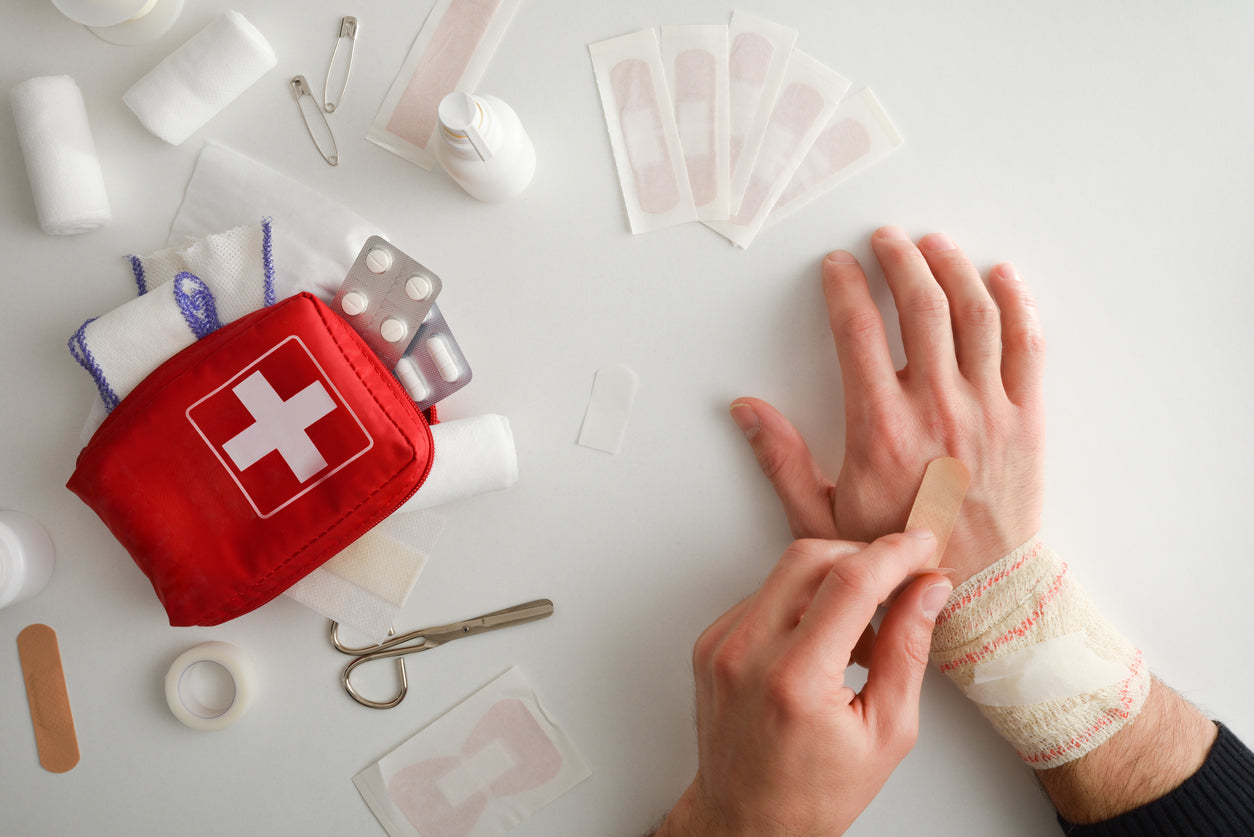
The dressing material category includes sterile Compresses, plasters, bandages, gauze bandages, fixation materials and additional accessories for wound care and care. These products support care, hygiene, organization and safety in everyday medical practice, for example when covering wounds, stopping bleeding, fixing and preparing diagnostic measures.


Bandage material
Product overview
The category Bandage material includes sterile and non-sterile consumables for treating wounds and fixing dressings. Typical product types are sterile compresses and gauze pads, wound dressings and active gauze, plasters in various sizes, fixation bandages and elastic bandages, cohesive (self-adhesive) bandages, tape and kinesiology adhesive tapes as well as wound cleaning wipes and protective gloves.
- Sterile compresses and gauze
- Plaster strips, plaster rolls, quick wound dressings
- Fixing and elastic bandages
- Cohesive bandages and sports tapes
- Wound dressings with absorbent properties
Areas of application and application
Dressing material is used to stop bleeding, cover wounds, pressure therapy and to securely fix catheters or dressings. In acute care situations, quick plasters and sterile compresses are used as first aid; Over time, absorbent wound dressings and cohesive bandages support moisture regulation and protection against contamination. Tape and fixing material ensure a stable fit when moving and make hygienic work processes easier.
Quality, safety and organization
Hygiene, sterility and material compatibility are crucial: sterile individual packaging, latex-free options and good adhesion without damaging the skin reduce complications in everyday life. Products with clear size markings and ready-to-use sets speed up processes and reduce sources of errors. Basic items such as compresses, plaster rolls and fixing bandages kept in stock improve process reliability.
Brands and selection criteria
Proven solutions from manufacturers like Hartmann, Leukoplast and 3M offer a range of sterile wound dressings, plasters and fixation materials. Absorbency, breathability, skin compatibility and easy handling play a central role in the selection. Material properties such as cohesive behavior, stretchability and water-repellent surfaces are relevant to practice.
Practical advantages
Well-selected dressing material reduces treatment time, minimizes follow-up checks and supports safe, hygienic care processes. The combination of sterile individual products and systematic sets enables flexible reactions to different care situations.