
Coagulation tests
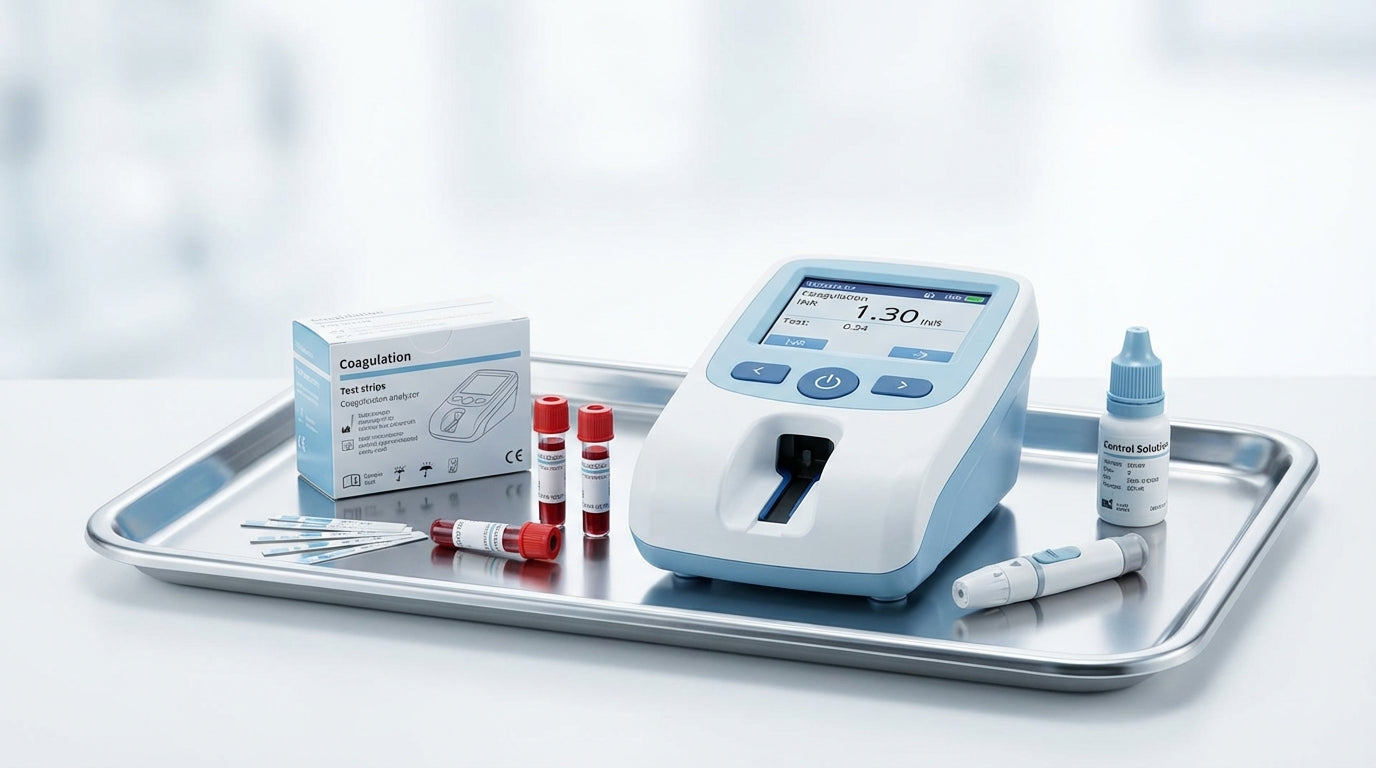
The coagulation testing category includes test kits, measuring devices, test strips, as well as reagents and control materials for the determination of coagulation parameters. The products support diagnostics, therapy monitoring, organization, and hygiene measures, and ensure efficient and safe workflows in medical practice through precise measurements and sterile components.
3 Products
filter

Cleartest D-Dimer Rapid Test for Whole Blood, Serum, and Plasma


CoaguChek XS PT Test
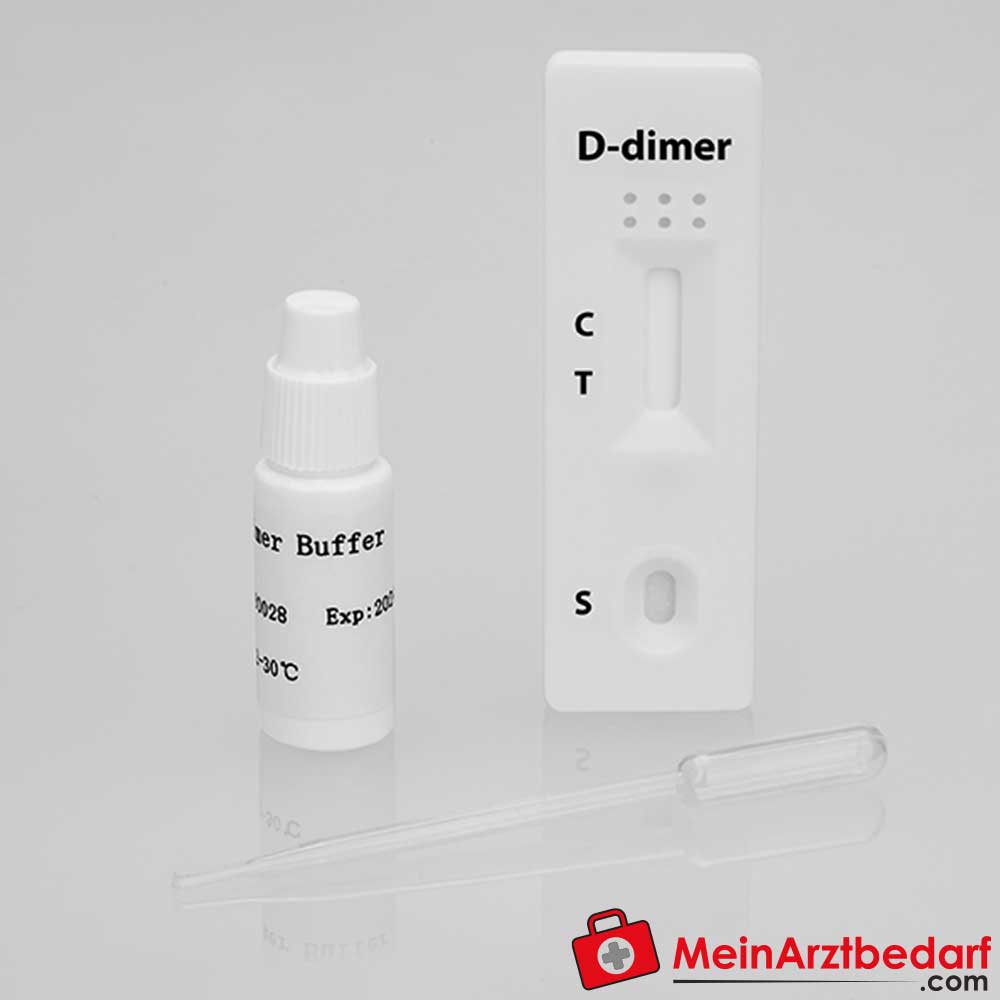
Cleartest® light D-Dimer rapid test for whole blood/plasma, 10 min
Coagulation tests
Areas of use and application areas
Coagulation tests are used for the rapid assessment of blood coagulation parameters in everyday practice and laboratory life. Typical application situations include monitoring anticoagulant therapies, preoperative assessments, screening for coagulation disorders and monitoring the progress of coagulation-related interventions. The tests support safe processes, enable short-term decision-making and contribute to standardized, hygienic procedures.
Product types and technical features
Various product types can be found in this category: rapid tests for point-of-care measurements, test cassettes and strips, control solutions, reagents for thrombin, INR and aPTT determinations as well as consumables such as lancets and sample containers. Special features include short measurement times, standardized calibration, robust handling and compatible consumables for measuring instruments.
- Rapid tests / point-of-care test systems
- Test cassettes and test strips (e.g. INR, PT, aPTT)
- Control and calibration solutions
- Accessories: lancets, sample tubes, measuring instrument consumables
Quality, safety and user benefit
Products are designed for reproducible results, easy handling and small sample volumes. Standardized test procedures and accompanying control solutions can be used to minimize measurement errors and make operational processes efficient. Hygiene-friendly packaging and sterile consumables support safe sample collection and processing.
Manufacturer and compatibility
The selection includes solutions from manufacturers such as: Roche and Stagothat are compatible with established measuring devices and consumables. The product selection allows the combination of test kits, controls and accessories for consistent results in routine use.
Selection criteria
When selecting coagulation tests, measurement accuracy, compatibility with existing equipment, storage and handling requirements, and the amount of control materials are crucial. Consider measurement range, turnaround time and documentation options to optimize processes and track quality.