
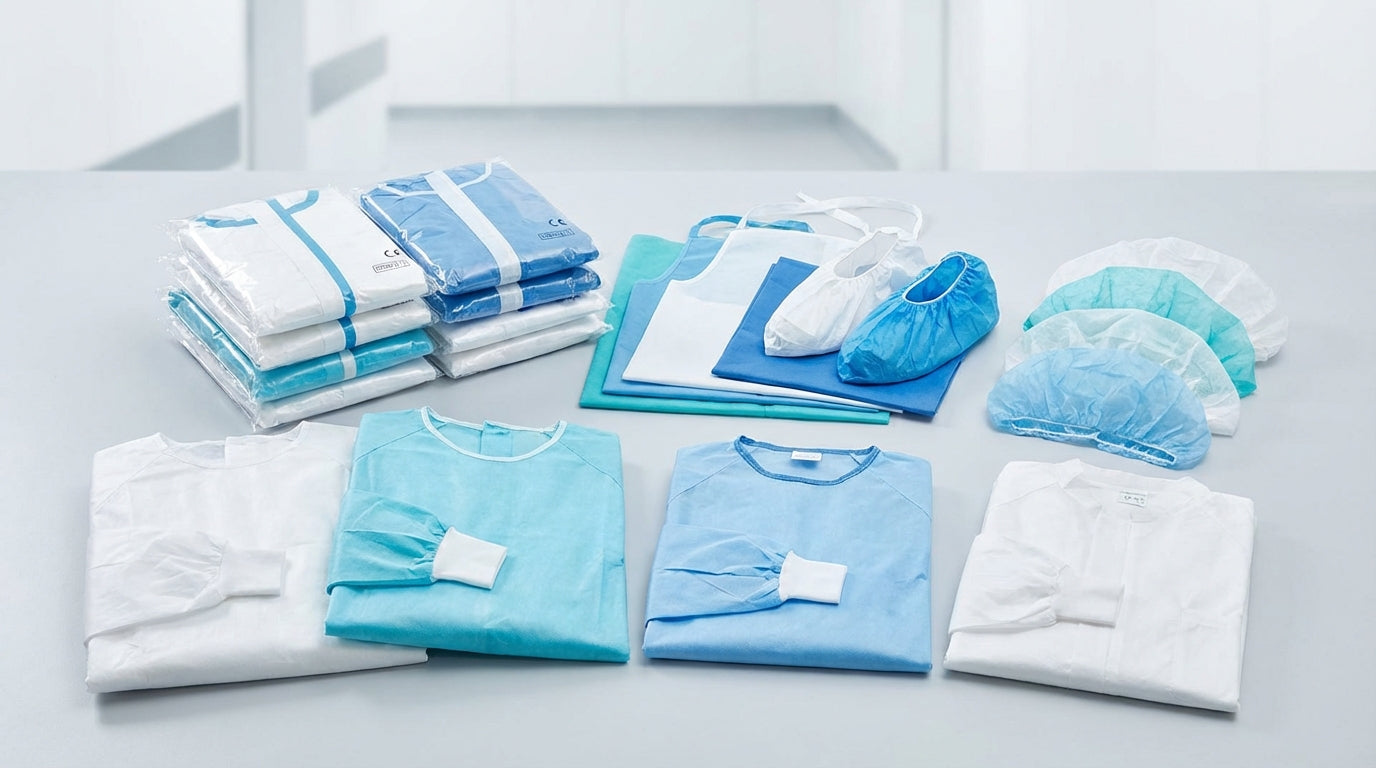
Medical protective clothing
The category includes protective gowns, surgical caps, mouth-nose masks, safety glasses, gloves, overshoes, and other protective clothing in disposable and reusable versions. These products are used to prevent contamination, support diagnostics, treatment, and organization, as well as to ensure hygiene and safety in daily medical practice.


3 Products
filter
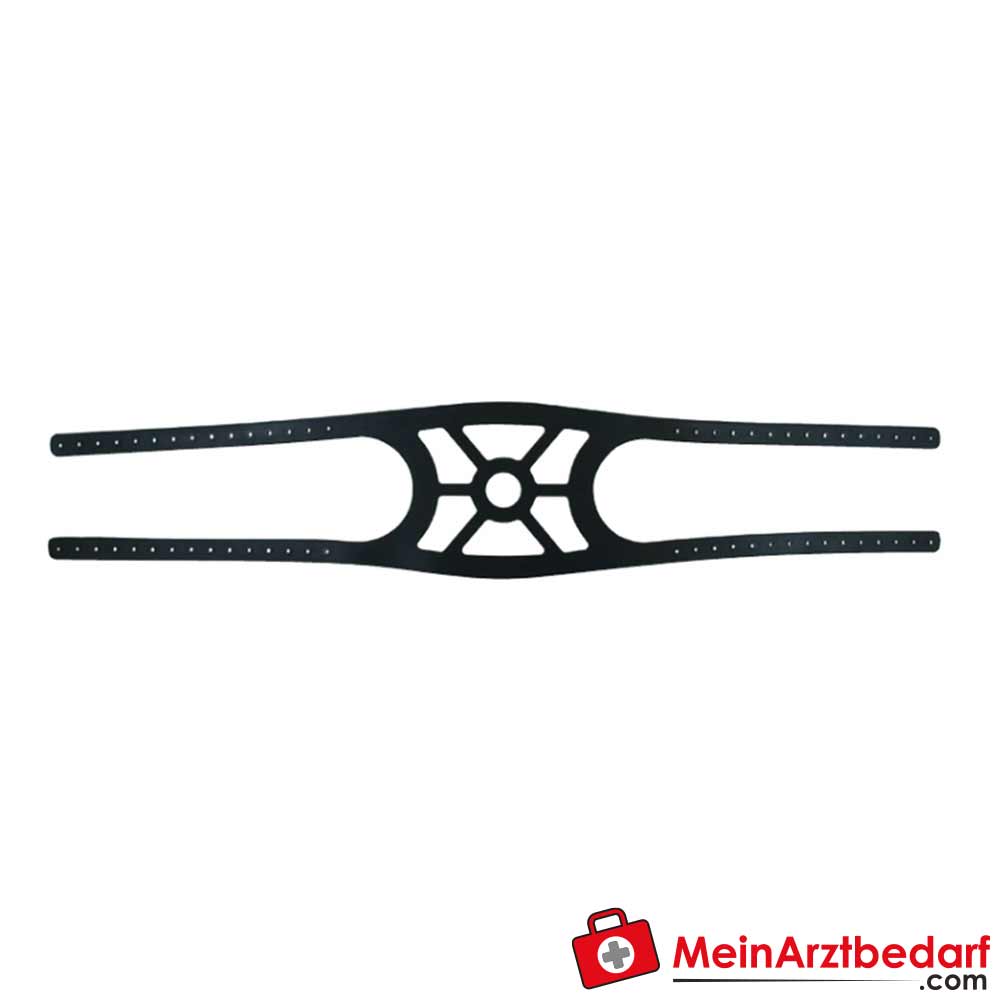
AERObag® mask headgear

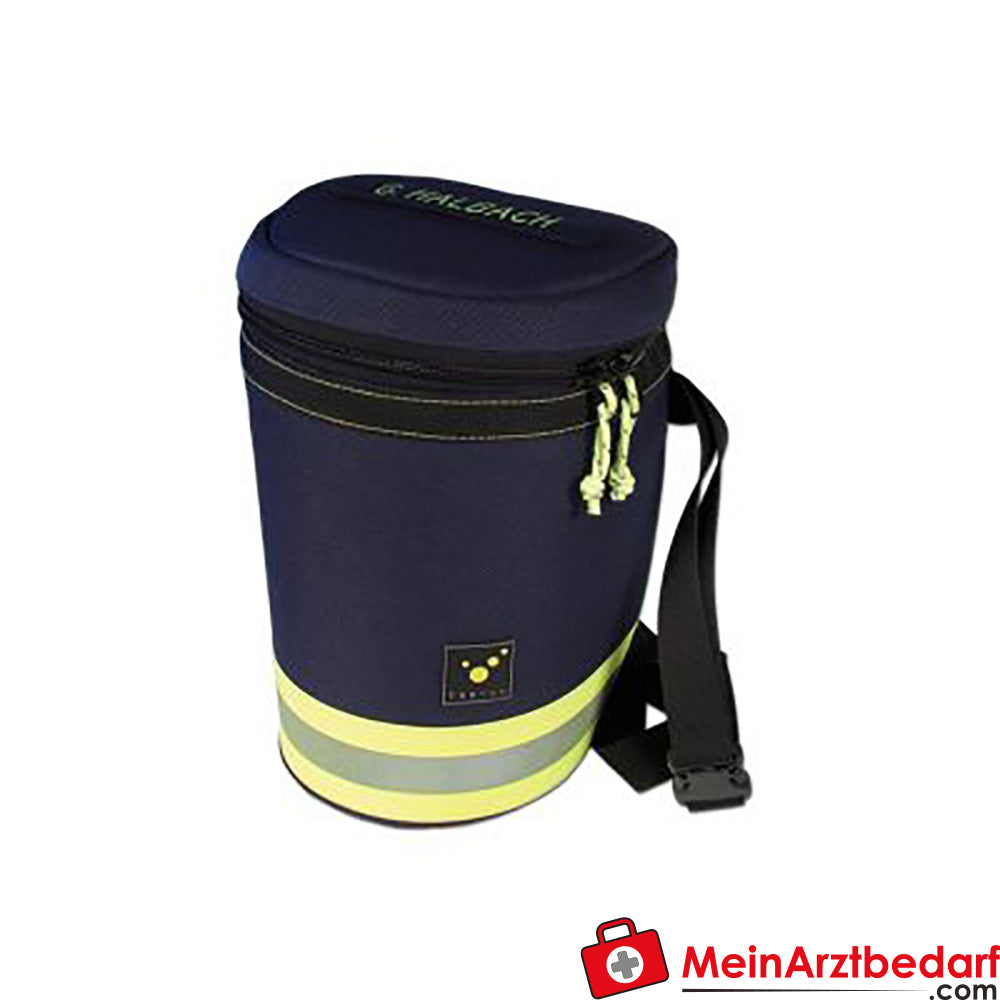
TEE-UU RESPI breathing mask container padded blue with glasses case and adjustable carrying strap
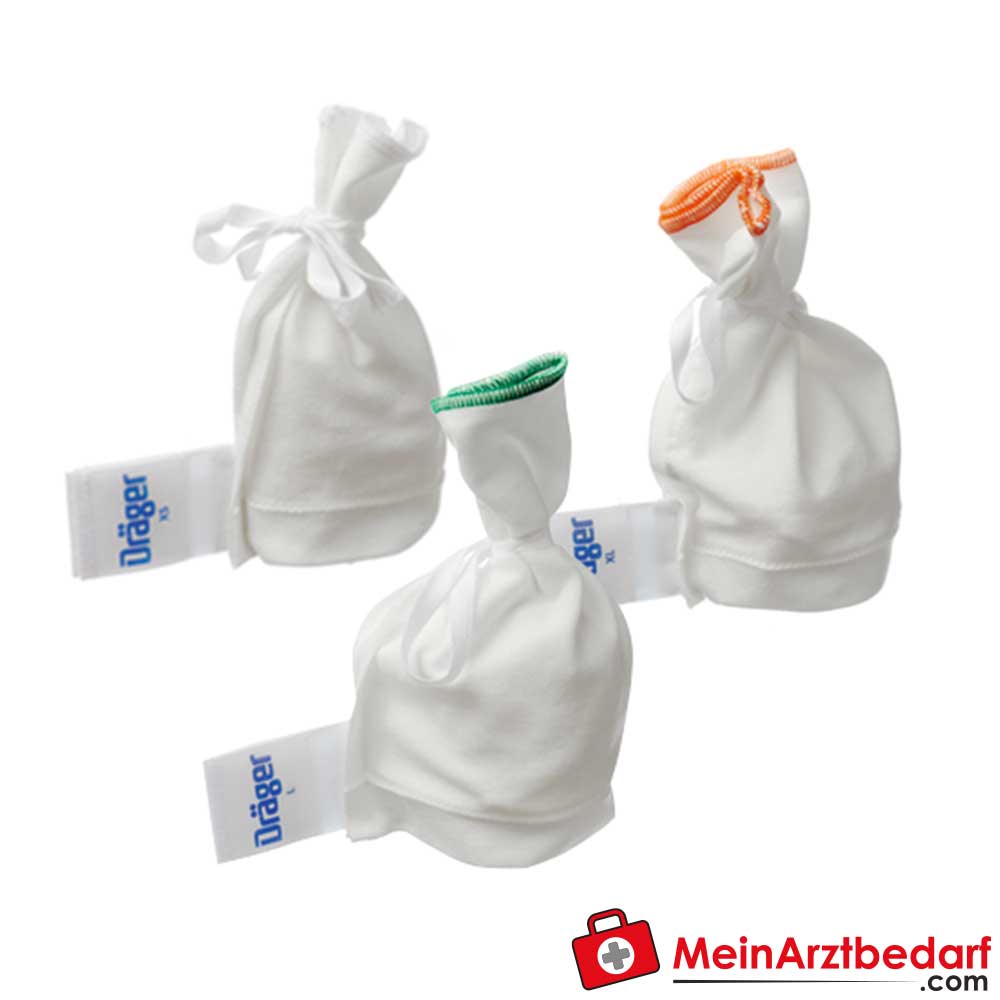
Dräger BabyFlow disposable caps various sizes XS-XXL Sizes XS-XXL+ Microfibre (95% cotton, 5% elastane) 5 pieces
Medical protective clothing
Areas of application and use cases
Medical protective clothing protects staff and the patient environment during examinations, nursing activities, diagnostic procedures and simple to complex therapy processes. It is used where contamination risks from body fluids, particulate contamination or cross-contamination need to be reduced. Typical operational situations include isolation measures, surgical preparations, hygiene shifts during routine examinations as well as cleaning and disinfection work.
Product types and features
The category includes disposable and reusable models in various protection classes: isolation gowns, surgical gowns, disposable gowns, protective suits, aprons, over-aprons, hoods and overshoes. Important features include liquid-repellent or liquid-tight materials, CE marking, latex-free options, anti-static finish and different levels of sterility.
- Isolation and disposable gowns (various lengths and closure systems)
- Surgical gowns and sterile clothing
- Protective suits and disposable protective overalls
- Hoods, overshoes and aprons for additional barrier
Benefits in everyday work
Medical protective clothing reduces the risk of contamination, facilitates hygienic work processes and supports efficient processes through quick donning and doffing options. Liquid-tight materials protect against splashes, while breathable versions enable comfort and longer use. Latex-free and sterile options ensure compatibility and usability in sensitive environments.
Quality criteria and selection
When choosing, pay attention to protection class, material properties (e.g. SMS, PP/SP, laminated fabrics), type of closure and fit. CE marks, test certificates and information on sterility or single-use use are relevant decision criteria. Additional products such as hoods and overshoes increase the protective effect and should be coordinated sensibly.
Advantages summarized
- Reduction of cross-contamination
- Protection against liquid splashes and particles
- Fast handling for efficient processes
- Variants for sterile and non-sterile applications