
tourniquet
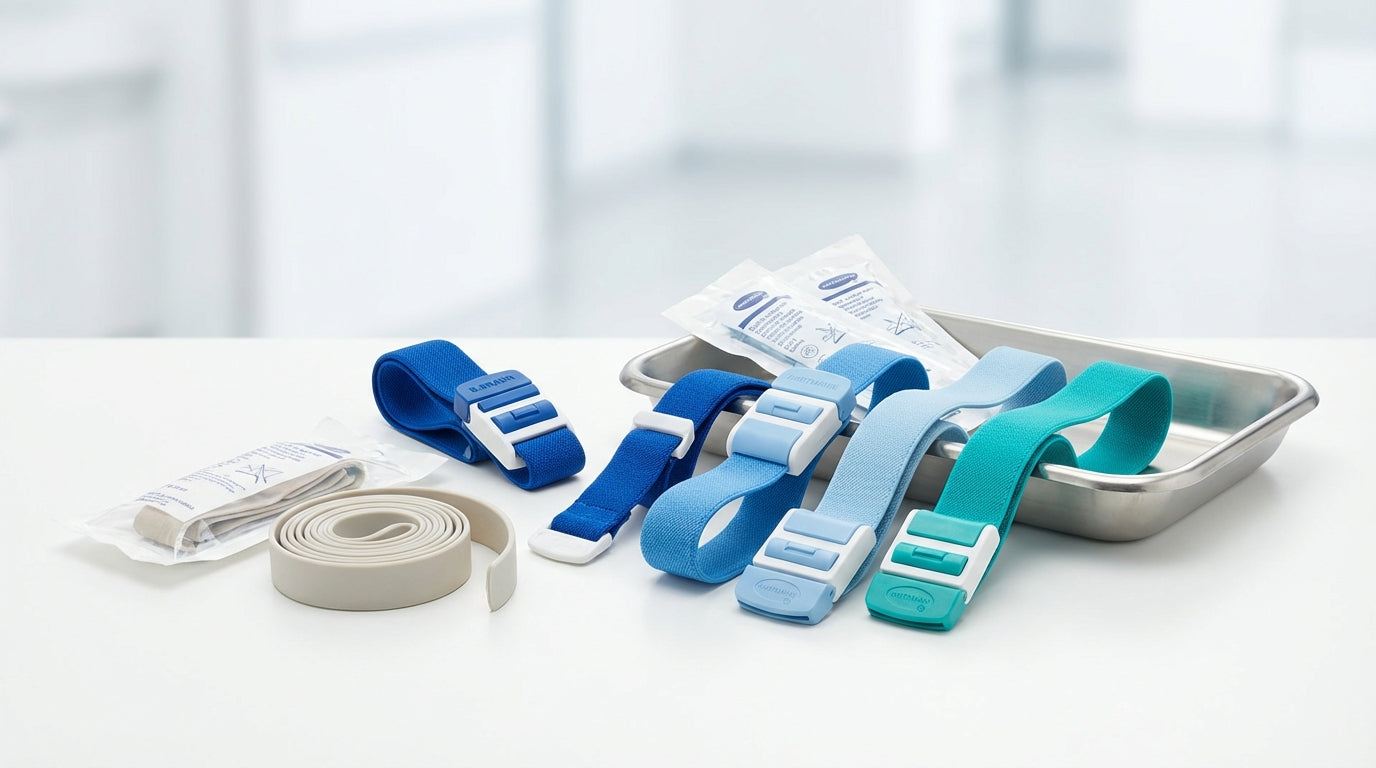
The tourniquet category includes manual, self-adhesive, disposable and reusable tourniquet systems for blood sampling and creating vascular access. They enable controlled tourniquets to support diagnostics and treatment, improve procedures, hygiene and safety and offer reliable functionality in everyday medical practice.
1 product
filter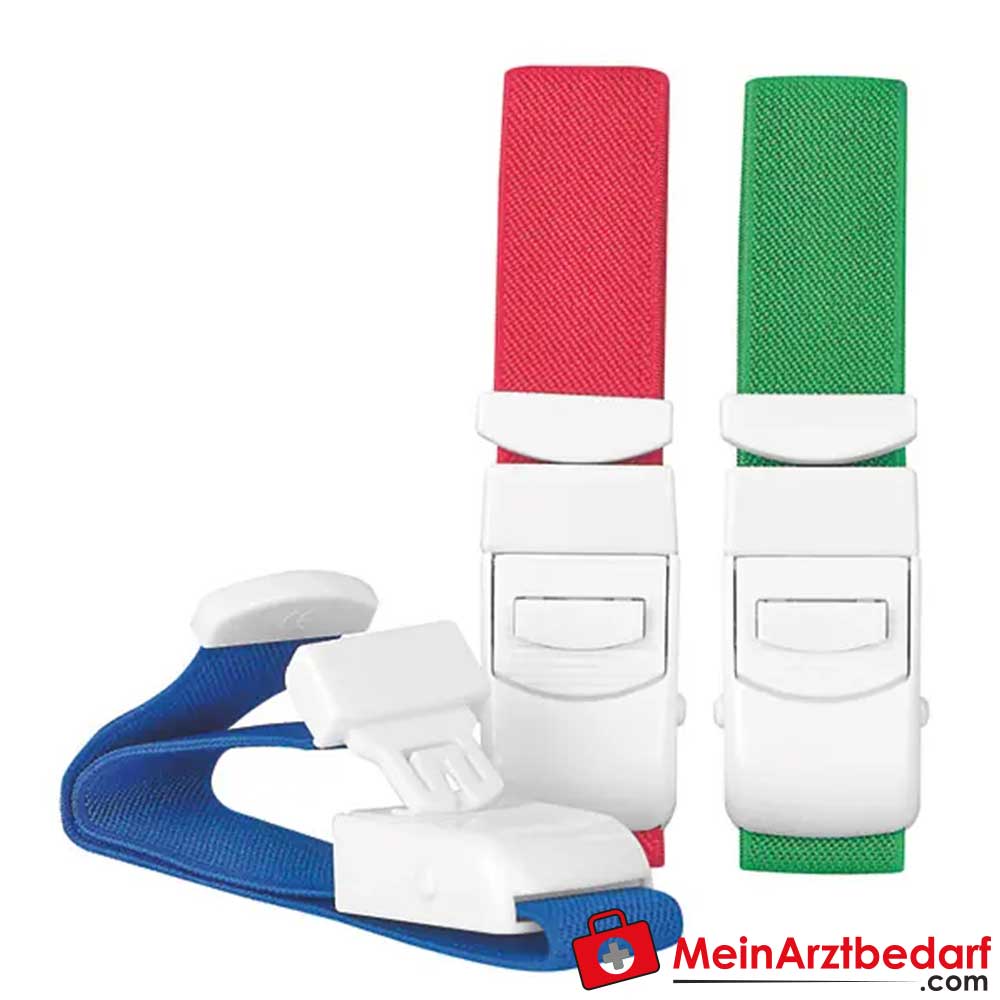
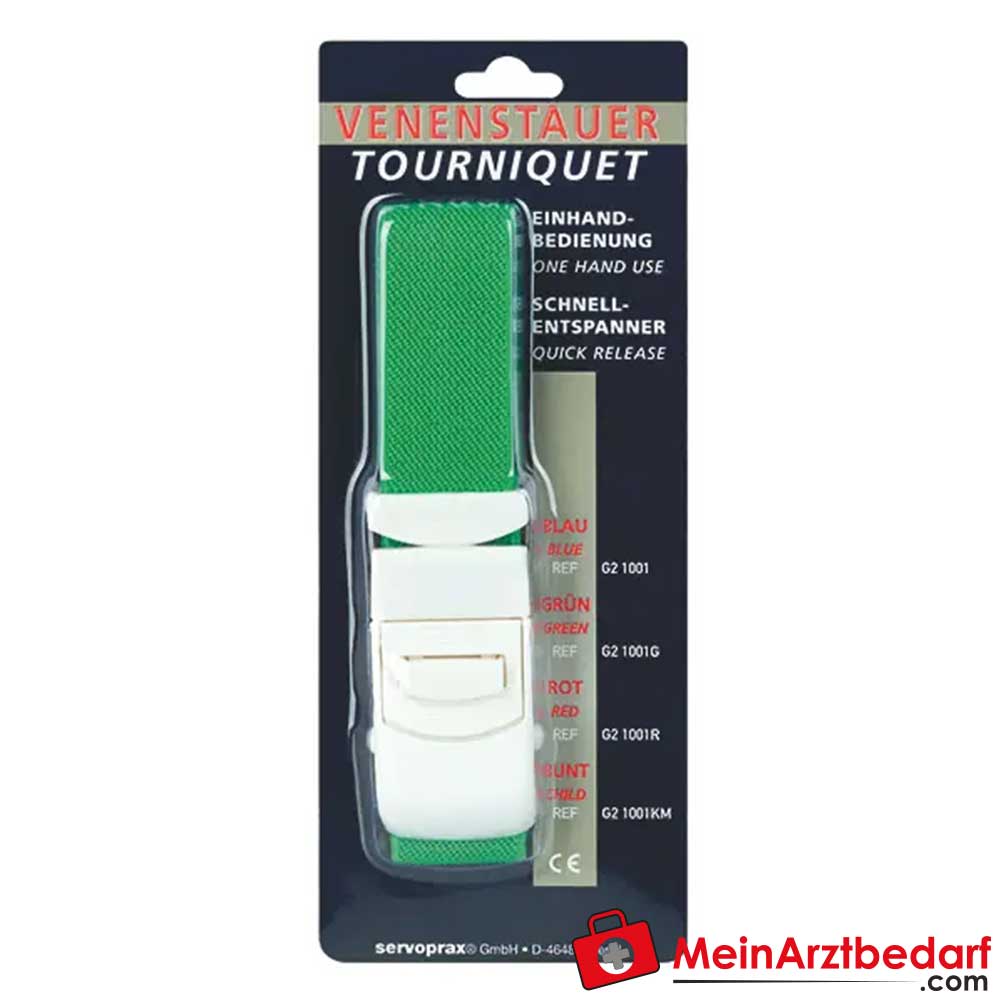
Servoprax tourniquet 40 cm with plastic closure, washable
tourniquet
Areas of application and use cases
Tourniquets are used to temporarily congest venous blood to make vessels more visible and accessible. Typical operational situations include blood sampling, venipunctures, venous catheterizations as well as pre- and intraoperative preparations. Depending on the model, tourniquets support the secure fixation of extremities, reduce search times for puncture sites and contribute to standardized work processes.
Product types and features
Various versions of tourniquets can be found in the category: reusable and disposable tourniquets, elastic bands with click closures, continuously adjustable plastic tourniquets and silicone-coated, non-slip variants. Additional features include individually adjustable pressure ratios, sterile individual packaging and easy-to-clean materials. This diversity enables the selection of suitable solutions for different procedures and hygiene requirements.
Quality, safety and hygiene concepts
Tourniquets should have clear markings for application and removal and be made of materials that can withstand cleaning and disinfection processes or are intended for single use. Sterile, disposable tourniquets minimize contamination risks, while robust, reusable models offer economic advantages while also making disinfection easier. The selection is based on resilience, skin compatibility and ease of use.
Typical product advantages
- Quick visualization of veins for punctures
- Adjustable storage without annoying seams or edges
- Sterile individual packaging for infection prevention measures
- Durable materials and easy cleaning for reusable devices
Brands and manufacturer diversity
Products from different manufacturers are available in this category, including solutions from manufacturers such as B. Braun and HARTMANN. The spectrum ranges from inexpensive disposable tourniquets to high-quality, reusable models with special closure systems.
Notes on selection
When selecting a tourniquet, material properties, sterile status, closure mechanism and handling should be taken into account. A suitably chosen tourniquet supports efficient work processes, facilitates precise venipunctures and contributes to compliance with hygienic standards.