
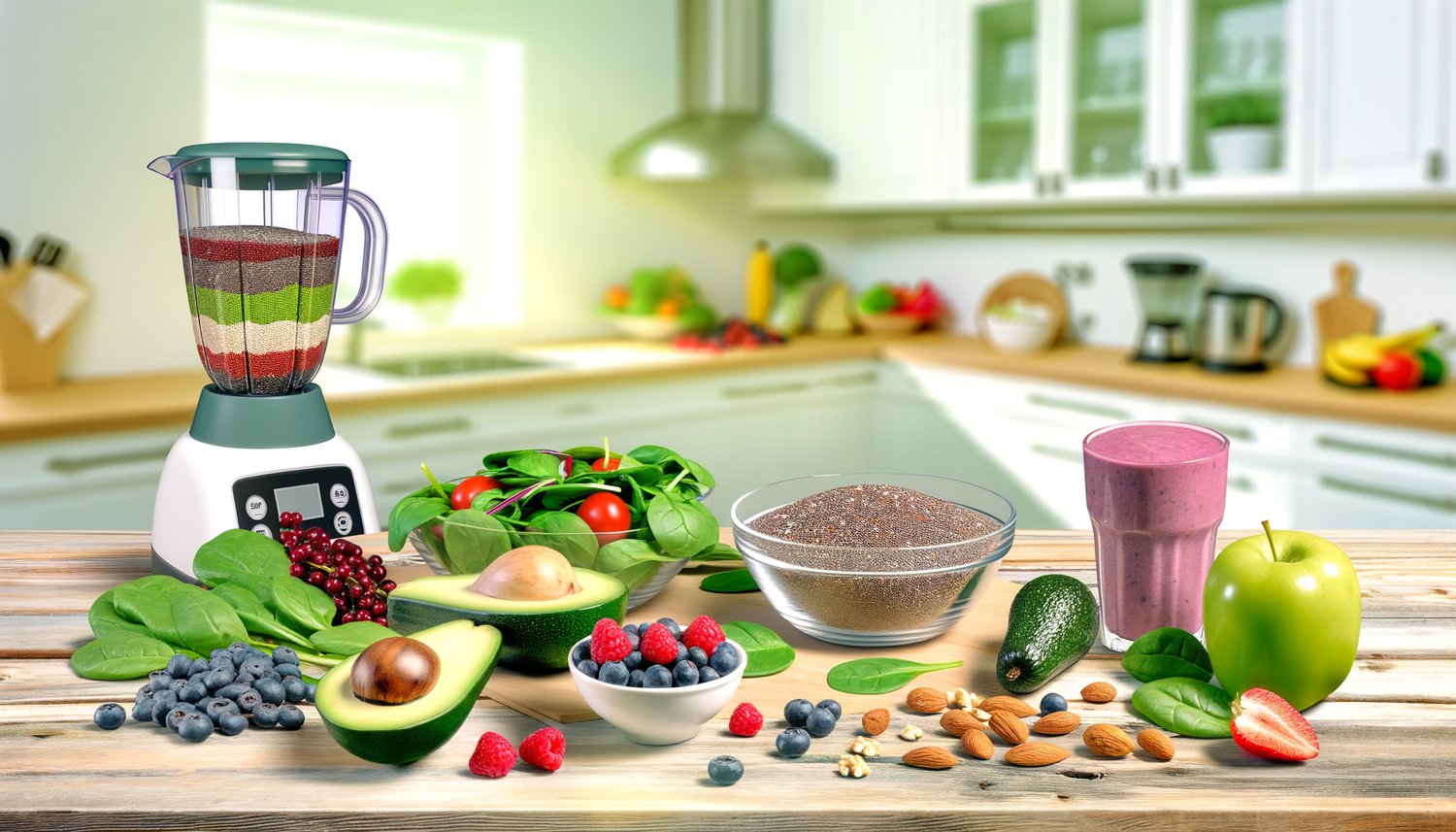
Today it's all about the secrets of superfoods and how they can boost our wellbeing. With the increasing popularity of these powerful foods, many of us are faced with the question of how to effectively incorporate them into our diet. diet into our diet.
Superfoods are foods that are particularly nutrient-dense and promise numerous health benefits, including antioxidant properties and a boost to the immune system. But what exactly makes a food a superfood and what alternatives are available?
In this article, we will explore the world of superfoods highlighting their benefits and giving practical tips on how to incorporate healthy foods into your diet. Join us as we explore the superheroes of the nutrition take a closer look!
Superfoods and tips for a balanced diet diet
Superfoods are foods with a high nutrient content. They are considered to be particularly beneficial for the health. Native superfoods such as berries or nuts are often a good choice. They are in small quantities Fresh and rich in nutrients.
Superfoods can have positive effects on the immune system have. However, their effect should not be overestimated. The content of antioxidants and fiber in these foods can be beneficial if consumed in the right quantities.
Here are a few tips for a balanced diet:
- Variety: Eat a variety of foods with high levels of nutrients.
- Maintain moderation: Even Superfoods like ginger and goji berries should be avoided in large quantities.
- Fresh and regional: Prefer local alternatives to imported ones superfoodsif possible.
A good nutrition is not just based on exotic foods. It is important to Balance from different sources. Remember that normal foods such as fruit and vegetables also contain high amounts of vitamins. Promote your well-being through a balanced and natural diet. diet.
Introduction to superfoods
Superfoods are special foods, often fruit, vegetables or seeds, with a high content of micronutrients such as vitamins and minerals. The term "superfood" is not standardized, but a marketing term that can often lead to confusion.
Many superfoodsespecially exotic ones superfoodsare touted for their health benefits. They contain valuable fats, such as omega-3-fatty acids, which are important for the human body. However, the positive effects of these foods are often not scientifically proven.
Native foods can also have a high concentration of important nutrients and can be used as native superfoods are considered.
Table: Comparison between exotic and domestic superfoods
|
Criterion |
Exotic superfoods |
Domestic superfoods |
|---|---|---|
|
Origin |
Faraway countries |
Local regions |
|
Micronutrient content |
High content |
High amounts |
|
Scientific evidence |
Often insufficient |
Varies |
Even if superfoods enjoy increasing popularity, they should be considered as part of a balanced diet combined with normal foods.
What are superfoods?
Superfoods are foods that are considered particularly healthy and rich in nutrients are considered particularly healthy and nutritious. They often have a high content of vitamins, minerals and minerals. antioxidants. However, the term superfood is controversial. In the European Union, these foods may not be advertised without scientific proof of their effectiveness.
Often exotic superfoods such as goji berries or chia seeds are often in the spotlight. However, studies show that many have not been able to prove any extraordinary health benefits. In addition, there is no legal regulation as to what exactly constitutes a superfood, which often causes confusion.
There are local alternatives that are becoming increasingly popular. These local foods, such as certain types of fruit and vegetables, often contain similar or even higher amounts of valuable ingredients. For example, spinach can contain a high proportion of antioxidants similar to exotic foods, but with a better environmental balance.
Examples of local superfoods:
- Cabbage: High amounts of vitamin C and dietary fiber.
- BlueberriesHigh content of antioxidants.
- Flaxseed: Good source of omega-3-fatty acids.
Local food is often better for the environment due to shorter transportation routes.
Health benefits of superfoods
Superfoods offer a wide range of health benefits. They are rich in nutrients such as vitamins, minerals and phytochemicals. These ingredients strengthen the immune system and can support the healing of diseases. The antioxidant properties of these foods reduce oxidative stress in the body and counteract inflammatory processes. They also promote the digestion and support intestinal activity. Regular consumption can improve physical well-being and mood.
Antioxidant properties
Antioxidants are mainly concentrated in fruit and vegetable peel. They reduce oxidative stress in the body. Açai berries and pomegranate juice are known for their antioxidant effects. Short-term studies show that pomegranate juice can lower blood pressure. Berries, kale and nuts contain high amounts of antioxidants. Regular consumption is important in order to benefit from their anti-inflammatory properties and to reduce the detoxification of the body.
Support of the immune system
A strong immune system protects against infections and is health crucial. Vitamins such as C, copper, selenium and zinc support the immune system. Superfoods like ginger, Turmeric and garlic are considered immune boosters. Fresh pressed ingredients help to prevent colds. These foods compensate for micronutrient deficiencies and strengthen the body's defenses.
Improvement of the digestion
Superfoods such as chia and linseed are rich in fiber, which digestion stimulate digestion. Apples and beet are also rich in fiber and promote digestion. intestinal health. Probiotic foods such as yoghurt or sauerkraut improve the digestion. Ginger has an anti-inflammatory effect and stimulates digestion stimulates digestion. Regular consumption of such foods can alleviate digestive problems and increase well-being.
Local alternatives to exotic superfoods
Domestic superfoods are more than just an inexpensive alternative to their exotic relatives. They offer many health benefits, are fresher and help the environment thanks to shorter transportation routes. What's more, their health benefits are often better documented. A balanced diet can easily be created with local foods without having to rely on imported superfoods without having to rely on imported superfoods.
Flaxseed
Flaxseeds are a real superfood with high amounts of fiber, omega-3-fatty acids and vitamins. They enrich every healthy dietwhether as a topping in muesli or as an egg substitute for baking. Be sure to consume flaxseed in moderation, as it can be High in calories are high in calories. Crushed linseeds are better digested and therefore offer the full nutrient density.
Blackcurrants
Blackcurrants are real vitamin C bombs, even more so than goji berries. These native berries are not only rich in vitamin Cbut also anthocyanins, which have a health-promoting effect. They are easy to grow in the garden and have a low ecological footprint. With their potent antioxidants they could even inhibit the growth of cancer cells.
Blueberries
Blueberries are rich in flavonoids, which have antioxidant and anti-inflammatory properties. They are little vitamin bombs that immune system and strengthen the skin health promote skin health. Blueberries are very versatile, whether in muesli, yoghurt or Smoothiesand make a valuable contribution to a healthy lifestyle. diet.
Pumpkin seeds
Pumpkin seeds are rich in zinc and can cover half the magnesium requirement of an adult. They have a high content of unsaturated fatty acids, magnesium, iron and zinc. Pumpkin seeds can lower cholesterol levels and skin problems alleviate skin problems. Urologists recommend pumpkin seeds to prevent prostate problems. Regular consumption supports the health of the prostate and can reduce frequent urination in men.
Sustainability and superfoods
Domestic superfoods are becoming increasingly popular. They offer a more sustainable alternative to often imported exotic superfoods. The local cultivation of such products supports regional farmers and reduces CO2 emissions through shorter transportation routes.
Superfoods from distant countries are not only expensive, but also carry risks such as hypersensitivity reactions. In contrast, local products are not only safer, but also more environmentally friendly and contain high levels of essential nutrients.
For a balanced diet the focus should not be solely on certain superfoods alone. A broad selection of healthy foods promotes sustainability and health.
Advantages of regional superfoods:
- Support local cultivation methods
- Reduction of transportation emissions
- Optimization of the nutrient content
- Increasing dietary diversity
Through the inclusion of native superfoods the variety of nutrition can be increased and the goal of a balanced diet be promoted. This not only ensures personal Healthbut also contributes to the ecological balance.
Support Superfoods a balanced diet?
Superfoods are known for their high content of vitamins, minerals and antioxidants known. They have positive effects on the health and can help to maintain a balanced diet to achieve a balanced diet. Studies suggest that they can immune system and reduce the risk of disease. Despite their benefits, the term superfood is not clearly defined. It influences which foods are perceived as such.
Superfoods offer new taste experiences and enrich culinary diversity. When combined with different foods, they can add variety to the diet. diet contribute to a varied diet.
Possible disadvantages and overweight
Despite the nutrient-rich concentration in superfoods the scientific evidence for their benefits remains limited. The high popularity can lead to unhealthy consumption. Superfoods are often expensive, which can lead to other important nutrients to neglect other important nutrients.
Some people might superfoods as a miracle cure, causing them to maintain unhealthy eating habits. This can lead to obesity. Advertising and social media can create misconceptions that upset the balance of diet balance.
Tips for integrating superfoods into the diet
The integration of superfoods into your meals doesn't have to be complicated. Start by sprinkling chia or flax seeds over your muesli or yogurt. These small seeds increase the fiber content and omega-3-fatty acids. Walnuts are also a great addition, full of heart-healthy fatty acids. They can be easily integrated into salads or yogurt.
Smoothies are a great option, superfoods to use. Mix them with fruits and vegetables for a nutrient-rich start to the day. Local superfoods are often more environmentally friendly and easy on the wallet. They support local products and avoid long transportation routes.
Creative recipes with superfoods
There are many creative recipes that superfoods integrate superfoods. How about superfood cookies? These are perfect for cashew and goji lovers. A superfood bowl combines vegetables and herbs to create a main dish that is quick to prepare.
A tropical fruit salad with chia provides a refreshing source of vitamins and can replace caffeinated drinks can replace caffeinated drinks. Want something simple? Then try oat muesli with blueberries and almond milk. It offers an easy way to enjoy local superfoods to enjoy.
Possible uses in everyday life
Superfoods can be easily integrated into everyday life. Start with a portion of chia seeds in your daily muesli. They immediately increase the nutritional value. Spices such as garlic, turmeric and chilies are useful. These not only add flavor to your dishes flavorbut also increase the content of antioxidants.
For healthy snacks nuts and cheese cubes are ideal. They are a good alternative to unhealthy options. Matcha and green superfoods such as kale or spinach are ideal for smoothies. These drinks are a nutrient-rich addition to any meal. Try to include them regularly in your diet into your diet.
Summary and conclusions
Superfoods offer a high concentration of vitamins and antioxidants. However, their health-promoting effects are often overrated and not fully scientifically proven. Caution is therefore advised when it comes to health claims, especially if the proportion of superfood ingredients is low.
A balanced diet is more important than individual superfoods. Fruit, vegetables, fish and pulses are important here. They also provide high amounts of important nutrients without relying on the term superfood.
Domestic alternatives are gaining popularity and are often just as nutritious as exotic ones superfoods. Regional products also reduce the need for imported superfoodswhich is more environmentally friendly.
In order to maximize the benefits of superfoods optimally, you should:
- Include a variety of local foods in your daily diet. diet integrate.
- A good balance between vitamins and minerals.
- Do not concentrate on individual exotic foods.
These tips will not only promote your own healthbut also support sustainable food consumption.
Superfoods - Myth or reality?
The term superfood is often used for marketing purposes and has no precise scientific definition. Nevertheless, it refers to foods with supposedly positive effects, such as a high content of antioxidants or high levels of vitamins.
A real superfood has high levels of nutrients that surpass normal foods. They should also be natural and organic or wild-grown. This ensures maximum health benefits.
Many superfoodssuch as exotic and local varieties, offer real health benefits. They support the immune system and promote the digestion. Regular consumption can help to compensate for micronutrient deficiencies and improve well-being.
Here are some well-known superfoods and their benefits:
|
Superfood |
Advantages |
|---|---|
|
Chia seeds |
High fiber content |
|
Goji berries |
Concentration of vitamins |
|
Blueberries |
Rich in antioxidants |
Looking for local alternatives to exotic foods? Local foods such as kale and walnuts also offer many benefits. Eaten in small quantities, they contribute superfoods contribute to a balanced diet to a balanced diet.
What is a real superfood?
A real superfood provides a very large amount of nutrients that exceed the usual ingredients of normal foods. Ideally, these foods are natural and come from organic production or wild growth.
Superfoods offer a high content of vitamins, minerals and antioxidants. They are wholesome foods and differ from food supplements, which often only contain extracted plant parts or individual vitamins contain.
The following criteria characterize a real superfood:
- High concentration of nutrients: They have a high content of vital substances compared to normal foods.
- Naturalness: Are as unprocessed and natural as possible.
- Holistic: Offer more than isolated vitamins or minerals.
The term superfood is often used for advertising purposes and can be misleading. In official contexts, it is used for particularly healthy, nutrient-rich foods. A superfood does not always have to be delicious to be considered as such. Choose local superfoodsto avoid imported superfoods and protect the environment.
Superfoods are medicine
The term "superfood" describes foods with a high content of vitamins, minerals and minerals. antioxidants. These nutrients can have health-promoting effects. Superfoods strengthen the immune systemcan prevent illness and even improve mood. However, the scientific evidence for some of these effects is often insufficient.
Native foods such as kale are truly native superfoods. Kale contains vitamins A, C, K and B2, which contribute to the general health contribute to general health. Exotic foods such as chia seeds and goji berries have also become very popular. Many people are now also interested in local alternatives to exotic foods. superfoods.
To benefit from superfoods you should consume them in small quantities. Regular and higher amounts are important for these foods to be effective.
Here are some examples of superfoods with their nutrients:
|
Superfood |
Important nutrients |
|---|---|
|
Kale |
Vitamins A, C, K, B2 |
|
High content of omega-3-fatty acids |
|
|
Goji berries |
High content of antioxidants |
In total superfoods not medicine, but they contribute to a balanced diet. diet contribute to a balanced diet.
The superheroes of the nutrition: Superfoods for a healthy life
Superfoods Due to their high nutrient density and positive effects on the health have become very popular. Their integration into the daily diet is simple. You can add them to your favorite dishes without having to nutrition completely change your diet. Scientific studies on their effectiveness are often based on animal experiments. This is important to know, as they cannot provide definitive proof of healing properties. Around 34% of people believe that superfoods have a positive effect on their well-being. A balanced diet is crucial to reap the benefits of superfoods fully exploit the benefits of superfoods.
Avocado - The cream de la cream of the superfoods
Avocados are rich in monounsaturated fatty acids. These promote the HDLcholesterol and can reduce the risk of heart disease. They contain dietary fibervitamin K, folic acid and vitamin E. Despite their benefits, they should be eaten in moderation as they are high in calories. The cultivation of avocados has a high ecological footprint. They can be used in a variety of ways, for example in salads, smoothies or on wholemeal bread.
Quinoa - The complete protein
Quinoaknown for its high plant-based protein content, contains all nine essential proteins. amino acidsideal for vegetarians and vegans. It is gluten free and offers dietary fiber, magnesium and iron. These nutrients support muscle function and iron balance in the body. Compared to wheat and other cereals quinoa has a higher content of unsaturated fatty acids. However, if consumed in excess, substances such as tannins and phytates can be detrimental.
Berries - the antioxidant wonder weapon
Berries such as blueberries, raspberries and strawberries are rich in antioxidants. These help to neutralize free radicals in the body and protect the cells. Flavonoids in blueberries have an anti-inflammatory effect. Raspberries offer a lot vitamin Cwhich skin health and the immune system strengthens the immune system. Berries are an easy way to increase your intake of vitamins and minerals. antioxidants sprinkled over muesli or enjoyed as a snack, for example.
Chia seeds - The source of energy
Chia seeds are rich in omega-3-fatty acids, fiber and protein. These small seeds provide a long-lasting feeling of satiety and support the digestive system. digestion. Another benefit is the regulation of blood sugar levels. Chia seeds can be eaten raw or soaked and are popular in muesli, yoghurt and smoothie-bowls. The Aztecs already appreciated chia seeds as an important food.
Kale - the green leafy wonder
Kale scores highly as a local superfood with vitamins A, C and K. These are essential for many bodily functions. It also offers minerals such as calcium, magnesium and potassiumwhich contribute to the general health contribute to general health. Dietary fiber in kale support the digestion. Due to its high content of Antioxidants Kale strengthens the immune system and protects the cells. It can be used in a variety of ways, for example in salads, smoothies or as a side dish.
What's so great about superfoods?
Superfoods are characterized by a high content of bioactive ingredients. These can lower cholesterol levels and skin problems alleviate skin problems. An important component of many superfoods are Omega-3-fatty acids. The body cannot produce these itself.
Here are some of the benefits of superfoods:
- Strengthening the immune system: A good immune system helps to ward off diseases.
- Antioxidant effectThis fights free radicals, which promotes general well-being.
- High concentration of vitaminsThey support the body in many processes.
Despite the many positive effects, there is no uniform definition of the term "superfood". It is often used as a marketing strategy, which makes it difficult to identify genuine superfoods more difficult. Many scientific findings are still based on animal experiments, which is why promises of salvation should be treated with caution.
Overall superfoods many benefits in high quantities, but even in small amounts they can be part of a balanced diet. diet be part of a balanced diet.
0 Comments