
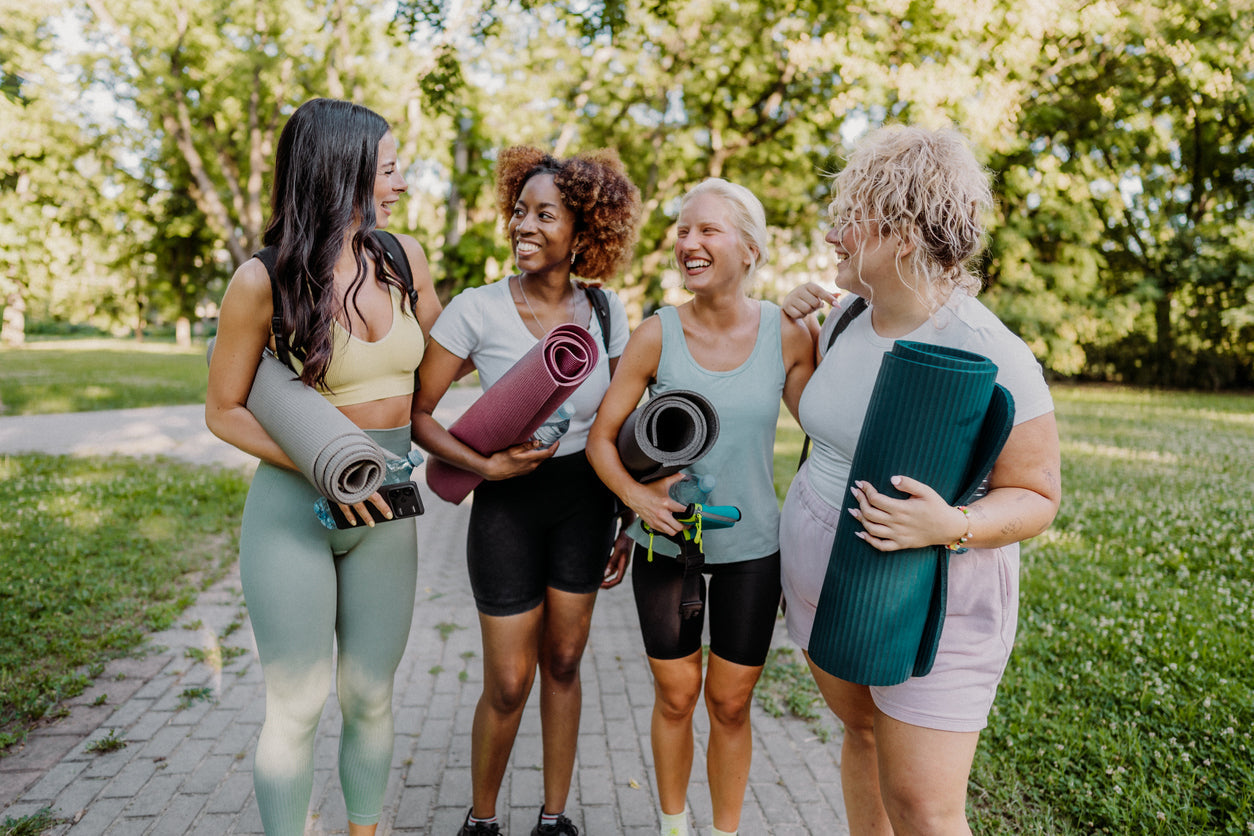
Women's health is a multifaceted and increasingly important topic that is coming more and more into the public consciousness. While for decades medical research has largely overlooked gender-specific differences, science is increasingly recognizing the need for a specialized examination of women's health.
Gender medicine has gained importance in recent years by focusing on gender-specific health factors and risks. The guide to promoting women's health not only highlights current challenges but also innovative approaches to achieve fairer healthcare.
This article highlights the latest findings and trends in women's health, including key topics such as HPV vaccination, psychosocial health, and prevention. Discover how current initiatives and research findings can shape a better future for women's health.
Women's Health
Women's health is a complex topic that encompasses numerous factors. The health challenges faced by women are often shaped by individual, societal, social, and biological influences. The current women's health report highlights that women face specific health risks that differ from those of men. Certain diseases often occur more frequently in women.
The action plan for women's health in Austria is an important step towards promoting health equity. It includes 17 objectives and 40 measures, including reducing health risks and promoting a healthy lifestyle.
While women have a higher life expectancy, they often spend their later years with health limitations. A significant difference from men is evident in the course of diseases and health behaviors.
Gender medicine has gained importance and considers gender-specific factors in research and treatment. Since the 2000s, this gender-sensitive approach has become more important in Austria.
List of Important Aspects:
- Health risks for women
- Gender-specific diseases
- Promotion of health through the action plan
- Importance of gender medicine
Introduction
The health of women is an important area of medical research. Women have specific health risks and behaviors compared to men, which often lead to different disease courses. Despite a longer life expectancy, women spend fewer years in good health than men. This highlights the need for a focused action plan for women's health.
The action plan for women's health consists of 17 goals and 40 measures aimed at promoting health equity for women. The annual Women's Health Dialogue supports the implementation of the plan and facilitates exchange between different sectors.
Health information must be tailored to the individual life situations, styles, and problems of women to better address their health needs.
Brief information about the action plan for women's health:
- Goals: 17
- Measures: 40
- Focus: Equity, networking, prevention
A tailored approach can significantly contribute to the prevention of diseases and the promotion of a healthy lifestyle for women.
In this context, topics such as reproductive health, healthy pregnancy, and combating violence against women are central.
The Importance of Gender Medicine
Gender medicine considers the differences between men and women in symptoms, treatments, and diseases. Until the 1980s, medical research was predominantly focused on men. It was only in the 2000s that specifically female health factors came into focus.
In May 2017, the action plan for women's health was presented. This plan promotes gender-specific healthcare and raises awareness among healthcare stakeholders. Gender is a crucial health factor. Unequal conditions and behaviors lead to health disparities.
Gender medicine contributes to the health of both genders by examining biological and psychosocial differences.
Important Aspects of Gender Medicine:
- Consideration of biological differences
- Adjustment of treatments
- Awareness in healthcare
For example, women have a higher risk for certain cancers. The action plan also supports women with migration backgrounds and disabilities. Thus, measures such as gender medicine make an important contribution to health.
This approach promotes health equity and improves overall societal health.
Gender-Specific Health Research
Gender-specific health research plays a central role in federal research. It aims to identify and address health inequalities. Since 2020, a funding focus has been examining special health aspects of genders to improve the quality of healthcare.
The law to strengthen health promotion and prevention requires health insurance funds to consider gender-specific research findings. This means that health services must be tailored to the specific needs of women and men.
Gender medicine is a new field. It investigates whether scientific findings apply equally to both genders, particularly regarding symptoms and drug effects.
Key Points:
- Goals: Improvement of care quality, addressing health inequalities
- Gender medicine: Focus on different symptoms and drug effects
- Legal requirements: Consideration of gender-specific results by health insurance funds
A comprehensive consideration of women's health raises awareness of the importance of gender-specific approaches. The goal is to better support women in their health.
Action Plan for Promoting Women's Health
The action plan for women's health, presented on May 22, 2017, in Austria, is committed to the health of women. It includes 17 objectives and 40 measures focused on health promotion. Austria was the first European country to implement such a plan. The plan aligns with the goals of the World Health Organization (WHO).
Dialogues and Workshops
The Women's Health Dialogue has been held annually since 2017. It promotes networking and exchange for the implementation of the action plan for women's health. During this dialogue, workshops have been held addressing the following topics:
- Body and self-image
- Sexual and reproductive health
In the workshops, participants can actively discuss their health and receive important information. These events aim to raise awareness among women. They provide health-related knowledge to empower women's autonomy.
Another important aspect of the workshops is that the results feed into research, practice, and policy. This aims to sustainably improve the health situation of women.
Goals of the Workshops:
|
Goal |
Description |
|---|---|
|
Awareness-raising |
Making women aware of important health issues. |
|
Knowledge transfer |
Providing women with information to promote their health. |
|
Empowering autonomy |
Encouraging women to make independent decisions. |
Providing health-related knowledge makes an important contribution to improving women's health. The goal is to increase health equity.
Important Health Topics for Women
Women, on average, live longer than men, but spend many of those years in poor health. This shows how important specific health information is. The action plan for women's health aims to promote health equity while considering the individual life realities of women. Different risk factors, such as nutrition and exercise, also play a role in women's health prevention.
HPV Vaccination
As of February 1, 2023, the HPV vaccination is free for children, adolescents, and young adults between the ages of 9 and 21. It protects against human papillomaviruses, the main cause of cervical cancer. The vaccination reduces the risk of this cancer by up to 90 percent. Despite its availability, many are inadequately informed about the benefits of the vaccination. The appeal from the federal ministries emphasizes the importance of getting vaccinated against HPV for protection.
Psychosocial Health of LGBTIQ+ Individuals
LGBTIQ+ individuals have an increased risk of mental illnesses such as anxiety and depression. Discrimination and prejudice further burden their health. In Austria, there is currently little data on their health situation. Many forgo necessary medical services out of fear. The LGBTIQ+ Health Report 2022 provides extensive information on the psychosocial health of this group for the first time.
Pregnancy and Motherhood
During pregnancy, the health of the expectant mother significantly contributes to the health of the unborn child. Vaccinations, such as against rubella, are important to prevent harm to the child. Toxoplasmosis poses another risk, particularly from raw meat and cat feces. Women experience increased health burdens during this life phase and should be well cared for and informed.
Healthy Lifestyle
Women should promote a healthy lifestyle to increase the number of their healthy years. A healthy diet and sufficient exercise are crucial to minimize health risks. The information on the women's health portal provides practical tips for stress management and encourages a healthy lifestyle.
Cancer Prevention
Regular screening examinations are essential for women. From the age of 30, women are entitled to annual breast examinations. Between the ages of 50 and 69, participation in the mammography screening every two years is important. Such examinations increase the chances of detecting cancer early. Initiatives like the "Pink Ribbon" campaign raise awareness for cancer prevention.
Initiatives to Support Women's Health
The action plan for women's health in Austria aims to improve women's health at all life stages. With 17 objectives and 40 measures, important areas such as prevention, early detection, and health promotion are covered. One example is the Cancer Aid Burgenland, which aims to raise awareness for breast cancer through initiatives like "Pink Ribbon." Programs like "Feel Again" offer women free makeup courses after a cancer diagnosis to strengthen their self-esteem and quality of life.
The women's health portal of the BZgA provides important information and tips that support women in health promotion. The Women's Health Dialogue promotes exchange and collaboration among stakeholders in the health sector to ensure the implementation of the action plan measures.
The "Red Box" for Providing Hygiene Products
The "Red Box" helps women for whom period products are a financial burden. In all BIPA stores, affected individuals can pick up free pads or tampons using a voucher booklet. This initiative aims to facilitate access to hygiene products for disadvantaged groups. It helps reduce stigma and health risks associated with menstruation. By ensuring the availability of these products, the "Red Box" contributes to improving women's health.
Awareness and Sensitization Campaigns
In 2017, the action plan for women's health was presented. It includes 40 measures that promote gender-specific health aspects. The Women's Health Dialogue, held annually, improves networking and collaboration for the implementation of the measures. Women are often more affected by socio-economic health determinants, highlighting the importance of awareness campaigns for health equity.
Under the leadership of the BMSGPK, information on multilingual counseling services for women with migration backgrounds has been compiled. These services aim to promote education about sexual and reproductive health. Another campaign, "Pregnant? Zero Promille!" provides important information on the harmful effects of alcohol consumption during pregnancy. It raises awareness among pregnant women and their surroundings.
The Role of Professional Publications
Professional publications play a crucial role in women's health. The guide "Women's Health" by Prof. Dr. med. Ingrid Gerhard highlights current medical challenges. It emphasizes the importance of asking informed questions to the doctor.
The women's health portal of the BZgA offers comprehensive information on gynecological diseases, menopause, and mental health. This platform ensures that women have access to current, verified information.
The 2023 annual report of the Vienna Program for women's health outlines the progress and challenges in women's health. The goal is to address societal issues affecting women's health.
The national health goals develop specific recommendations. A particular focus is on breast cancer, the most common cancer among women. Such objectives create clarity and draw attention to important health aspects.
Additionally, the BZgA offers newsletters to inform women about the latest developments in women's health. These regular updates ensure that women are always well-informed and can actively manage their health. Professional publications thus make an important contribution to women's health.
Holistic Consideration of Women's Health
Women have a higher life expectancy than men, but often spend more years in poor health. This points to complex health needs. Women's health is determined by individual, societal, social, and biological influencing factors. Therefore, it is important to include these factors in the consideration of their health issues.
The women's health report 2022 highlights crucial topics such as sexual and menstrual health as well as mental health. These topics are central to painting a comprehensive picture of the situation of women in Austria.
Since 2019, there has been a national focal point for women's health. This serves to consolidate relevant health topics for women during the COVID-19 pandemic. This allows for the development of adequate solutions.
The national health goals take gender-specific peculiarities into account. The aim is to promote gender-sensitive prevention and healthcare. Additionally, women are generally more proactive about preventive measures, which helps to avert health risks.
Overall, topics such as sexual health, mental health, and specific diseases play an important role. They contribute to a holistic consideration of women's health.
Future Perspectives in Women's Health
Future perspectives in women's health focus heavily on promoting health equity. The action plan for women's health highlights 17 objectives and 40 measures to address the specific health needs of women. Special attention is given to women-specific diseases such as breast cancer, as they often affect women differently than men.
An important component is the Women's Health Dialogue, which promotes exchange between different sectors. This coordinates and effectively implements the measures of the action plan.
However, the health report shows that women often spend more years in poor health. Therefore, it is crucial to adapt health strategies to their specific life and work conditions.
The action plan also aims to fulfill global goals, such as the United Nations' Agenda 2030, which emphasizes gender equality and reduced inequalities.
In the future, it will be essential to make ongoing adjustments and integrate new findings. This secures the progressive contribution of the measures and strengthens the health of women worldwide.
Further focuses should be:
- Promotion of mental health
- Support for women with disabilities
- Improved working conditions for women
Chronic Abdominal Pain
Chronic abdominal pain is a common problem, especially among girls and young women. These pains often accompany menstrual discomfort such as cramps or bleeding disorders. These symptoms lead many women to consider a visit to the gynecologist. During puberty, a health examination can be a valuable opportunity to address these pains and receive important information.
Women in midlife play an active role in the early detection and prevention of diseases. Being well-informed helps to recognize and treat chronic abdominal pain early. The women's health portal provides crucial support. It offers specific information tailored to the needs and interests of women.
A well-structured overview of women-specific health information can help women better understand their pains and find appropriate support. Often, chronic abdominal pain is not only a health issue but also relates to psychosocial factors. Therefore, it is important to include holistic considerations.
Ovarian Cysts
Ovarian cysts, also known as ovarian cysts, are fluid-filled cavities in the ovaries. They frequently occur in women of childbearing age. Most of the time, these cysts are asymptomatic but can cause pain in the lower abdomen, which may indicate a hormonal imbalance.
The diagnosis is often made through ultrasound examinations, where cysts are discovered incidentally during routine check-ups. In the majority of cases, these cysts are benign and resolve on their own. However, there may be situations where medical monitoring or treatment is necessary.
The provided health information should be specifically tailored to the life situations and health problems of women. Such adaptation ensures that women receive the necessary support and education.
Ovarian Cysts
Ovarian cysts are often fluid-filled cavities in the ovaries. They frequently occur in women of childbearing age and are usually asymptomatic. However, in some cases, they can cause pain in the lower abdomen or other discomforts. These symptoms may indicate a hormonal imbalance.
To diagnose ovarian cysts, an ultrasound examination is typically performed. They are often discovered incidentally during routine check-ups. The majority of ovarian cysts are benign and resolve on their own, but sometimes medical monitoring or treatment is necessary.
It is important to adapt health information about ovarian cysts to the specific life situations and needs of women. Appropriate support and education can help minimize potential health risks.
Symptoms of Ovarian Cysts:
- Pain in the lower abdomen
- Hormonal imbalance
- Other discomforts
Medical advice is important to ensure the right treatment and to prevent potential complications. Regular monitoring can provide additional protection.
What is Important for Cleaning the Intimate Area
Care of the intimate area is essential for women's health. Good hygiene can prevent conditions like bacterial vaginosis and urinary tract infections.
Care Tips:
- Use mild, pH-neutral soaps.
- Clean daily with lukewarm water.
- Avoid aggressive cleaning agents.
Common Health Problems:
|
Health Problem |
Cause |
|---|---|
|
Dysmenorrhea |
Pain during menstruation |
|
Bacterial Vaginosis |
Imbalance of bacteria |
|
Improper hygiene practices |
Further Measures
- Contraceptives: Access to contraceptives supports sexual health.
- Sexual Education: Young people should be informed about hygiene early on.
Proper care of the intimate area significantly contributes to overall health prevention. It reduces health risks and improves well-being. Personal responsibility and informed decisions are paramount to prevent health issues.
Which Medications and Home Remedies Alleviate Discomfort
Women often experience different effects from medications compared to men. Gender-sensitive medicine is therefore important. In addition to medications, home remedies can also alleviate discomfort. A holistic approach that combines natural remedies and conventional medicine often shows positive effects in female-specific conditions.
A balanced diet can also significantly contribute to health prevention. Certain nutrients effectively relieve discomfort. Herbal teas, such as chamomile or peppermint, have calming and supportive effects. Energetic exercises and relaxation techniques are also helpful. They promote well-being and reduce stress.
In addition to physical discomfort, mental health is crucial. Yoga and meditation are proven methods to strengthen mental health. They help reduce stress and anxiety.
In summary, a combination of medications and home remedies is beneficial. A table could illustrate the following approaches:
|
Approach |
Effect |
|---|---|
|
Specific therapy |
|
|
Relieving discomfort |
|
|
Calming |
|
|
Energetic Exercises |
|
|
Yoga and Meditation |
Improvement of mental health |
An integrated approach is ideal for comprehensively promoting the well-being of women.
How the Perception of Pain Differs
Women often experience pain differently than men. Chronic abdominal pain, especially during menstruation, is a well-known burden. In many diseases, women show different symptoms, which alters perception and treatment.
Psychosocial factors play a significant role. These include:
- Health behavior
- Risk behavior
- Self-perception of health status
These factors influence how women perceive pain.
There are specific health risks and burdens that affect women. These can change the pain perception. It is important to consider these gender-specific aspects in healthcare. This allows medical treatment to be well-tailored to the individual experiences of women.
Table: Differences in Pain Perception
|
Aspect |
Women |
Men |
|---|---|---|
|
Symptoms in diseases |
Often different |
Often uniform |
|
Perception |
Influenced by psychosocial factors |
Often less influenced |
Adjusted medical care can help manage pain better.
Source: istockphoto milan2099
0 Comments