
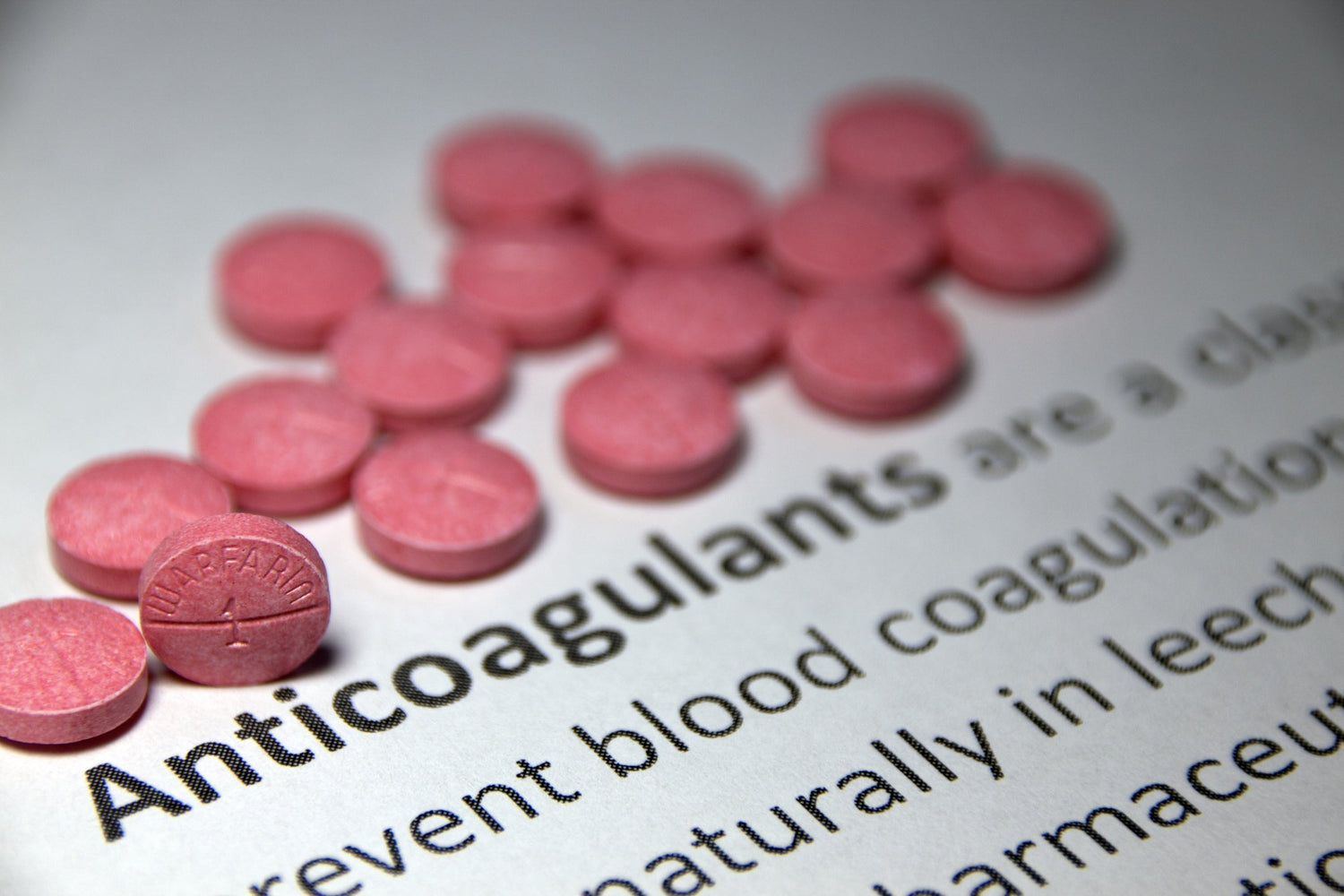
Cardiovascular diseases are among the most common health problems worldwide and affect millions of people. Understanding the role of blood thinners in the treatment of these diseases is therefore of central importance for modern medicine.
Blood thinners, also known as anticoagulants, influence blood clotting and can play a key role in preventing complications such as strokes or thrombosis. Different types of blood thinners work in different ways and have specific indications.
In this article, we will take a closer look at the different types of blood thinners, their mechanisms of action, risks and the importance of patient education and blood clotting monitoring.
Blood thinning
Blood thinners, also known as anticoagulants, help to prevent the formation of blood clots. They are crucial in the prevention of cardiovascular diseases. Frequently used blood-thinning medications are heparin, Acetylsalicylic acid, phenprocoumon and newer drugs such as dabigatran and apixaban.
Types of blood thinners:
- Coumarins (e.g. phenprocoumon, warfarin): Inhibit the formation of vitamin K, which is necessary for the production of active coagulation factors.
- Direct oral anticoagulants (DOAKs)block a key coagulation enzyme directly and are often stronger than platelet inhibitors such as acetylsalicylic acid.
- heparinsAre used in the acute treatment of venous thrombosis or pulmonary embolism. They act quickly through subcutaneous or intravenous administration.
Advantages of blood thinners
- Protection against thrombosisReduce the risk of new clots.
- FlexibilityDifferent options for different patient needs.
Patients, especially those at high risk such as those with atrial fibrillation, benefit significantly from taking anticoagulants. The right choice and dosage are crucial to minimize the overall risk of bleeding.
What is blood thinning?
Blood thinning refers to the use of anticoagulant medications that reduce the blood's ability to clot. The blood itself does not actually become thinner. The most common preparations include direct oral anticoagulants (DOACs) such as apixaban, dabigatran, edoxaban and rivaroxaban. Vitamin K antagonists such as warfarin and phenprocoumon are common.
Areas of application:
- Patients with atrial fibrillation: To prevent strokes.
- COVID-19 patients: Heparin preparations are used to prevent thrombosis.
Forms of administration:
- Heparin: Subcutaneous and intravenous
- DOACs and vitamin K antagonists: Oral
Important notes:
- Regular monitoring of blood levels is necessary to avoid the risk of bleeding due to excessive drug levels.
- Anticoagulants prevent the formation of blood clots and support general blood circulation. healthespecially if there is a high risk of thromboembolic events.
Importance of blood thinning
Blood thinning, also known as anticoagulation, plays an important role in medicine. Blood thinners are medicinesthat reduce the blood's ability to clot. They help to prevent the formation of blood clots. This is particularly important for people at high risk, such as patients with atrial fibrillation or certain health conditions.
There are two main categories of anticoagulants:
- Direct anticoagulants:
- Indirect anticoagulants:
-
- Vitamin K antagonists (e.g. warfarin)
- heparins
The table below shows examples for each category:
|
Category |
Examples |
|---|---|
|
Direct anticoagulants |
|
|
Indirect anticoagulants |
Warfarin, heparins |
Blood thinners are also important in the treatment of people with COVID-19. Heparins are often used to reduce the risk of thrombosis. The effectiveness of blood thinners can be influenced by factors such as age and other illnesses. Therefore, careful dosing is necessary to reduce the overall risk of bleeding.
Types of blood thinners
Blood thinners, also known as anticoagulants, reduce the blood's ability to clot. They do not make the blood thinner, but help to prevent the formation of blood clots. There are two main categories: direct and indirect anticoagulants.
Indirect anticoagulants
Indirect anticoagulants, such as vitamin K antagonists and heparins, act on the synthesis of coagulation factors. Well-known representatives are phenprocoumonacenocoumarol and warfarin. heparin is often administered subcutaneously or intravenously to intensive care patients to reduce coagulation. This drugs often require cofactors for optimal effect.
Coumarins and vitamin K antagonists
Coumarins, including phenprocoumon and warfarinare proven vitamin K antagonists. They inhibit the formation of vitamin K-dependent coagulation factors II, VII, IX and X. These drugs are routinely monitored by the INR value to ensure the correct dosage. Vitamin K antagonists are the first choice for thrombosis prophylaxis. Their effect can be quickly reversed by the administration of vitamin K.
Direct oral anticoagulants (DOACs)
Direct oral anticoagulants (DOACs) are ideal for patients with atrial fibrillation and heart failure. They are used after operations or embolisms. Compared to classic anticoagulants, DOACs require less frequent monitoring of blood values. They take effect quickly as they directly inhibit certain coagulation factors. Women who may become pregnant should seek medical advice on the use of DOACs.
Mechanisms of action of blood thinners
Blood thinners, also known as anticoagulants, are drugsthat prevent the formation of blood clots. They therefore reduce the risk of thrombotic diseases. There are two main types: direct and indirect anticoagulants. Direct anticoagulants directly inhibit the coagulation factors. They include drugs such as apixaban, dabigatran, edoxaban and rivaroxaban. Indirect anticoagulants influence the production of coagulation factors. Typical representatives are vitamin K antagonists such as phenprocoumon and warfarinas well as heparins.
How do anticoagulants work?
Anticoagulants suppress blood clotting by influencing the clotting factors in the plasma. Direct anticoagulants block coagulation factors directly. Indirect anticoagulants require cofactors or inhibit the synthesis of the factors. Vitamin K antagonists, such as phenprocoumon and warfarinprevent the formation of active vitamin K. This vitamin is crucial for the production of coagulation factors. Direct oral anticoagulants (DOACs) work by inhibiting a specific enzyme in the coagulation process.
Differences between the drugs
The medications for blood thinning fall into two categories: direct and indirect anticoagulants. Coumarins like phenprocoumon and warfarin are indirect agents and require regular monitoring of the INR value.
Here is a comparison of the properties:
|
Drug type |
Direct effect |
Special products |
Monitoring required |
|---|---|---|---|
|
Direct anticoagulants |
Inhibit specific enzymes directly |
Pradaxa (Dabigatran), Eliquis (apixaban) |
No |
|
Indirect anticoagulants |
Affect vitamin K synthesis |
Marcumar (phenprocoumon), warfarin |
Yes |
Pradaxa, Eliquis and other newer ones drugs work faster than coumarins and do not require regular blood coagulation monitoring. However, special precautions are required in the case of kidney disease. Patients with artificial heart valves often continue to require Marcumar. However, combined administration of blood thinners can increase the risk of side effects. Careful prescription is therefore important.
Indications for blood thinning
Blood thinning is important for various medical reasons. Anticoagulant medicines are used if there is a congenital tendency to increased blood clotting in order to prevent thromboses and embolisms. In patients with advanced arterial calcification, blood thinners reduce the risk of heart attacks and strokes. Blood thinners are also required before, during and after surgical procedures, especially if the patient is immobile, in order to prevent thromboembolic events. People with cardiac arrhythmia such as atrial fibrillation often require this medicationsas they can significantly increase the risk of stroke. After incidents such as pulmonary embolism or thrombosis, long-term therapy with blood thinners may be necessary.
Stroke prophylaxis
Blood thinners play a decisive role in the prevention of strokes. Patients with atrial fibrillation in particular benefit from them, as they reduce the formation of clots in the heart chambers. Acetylsalicylic acid (ASA) is a common antiplatelet agent that reduces the clumping of platelets to prevent strokes. Vitamin K antagonists such as phenprocoumon provide long-term anticoagulation for patients at increased risk. Direct oral anticoagulants (DOACs) specifically inhibit individual coagulation factors and are a modern solution for stroke prevention. Regular INR monitoring is important to ensure the correct dosage of medications such as Marcumar.
Medication for stroke prophylaxis:
- ASAPrevents platelet clumping
- Phenprocoumon: Long-term anticoagulation
- DOAK: Modern targeted inhibition of coagulation factors
Treatment of thromboses
Anticoagulants are indispensable for the treatment of thrombosis. They prevent the formation of new blood clots or help to eliminate existing ones. Heparins, especially low-molecular variants, are frequently used. Doses are adjusted according to medical need. Fondaparinuxa genetically engineered active ingredient, has a similar effect to heparin. In acute situations heparin-injections once or twice a day may be necessary. For acute cardiovascular diseases is heparin is often administered directly into the vein to open blocked vessels.
Treatment options for thrombosis:
- Low molecular weight heparinsFrequently used, dose-adjusted
- Fondaparinux: Alternative to heparin
- heparin-injectionsFor acute treatments directly into the vein
Concise information and clearly structured details help patients and professionals to make informed decisions.
Risks and side effects
Taking blood thinners is important to prevent blood clots. However, they can also harbor considerable risks. Correctly dosed medication is crucial in order to separate the desired effects from the dangerous side effects. An overdose can lead to life-threatening bleeding.
Common risks and side effects:
- Increased tendency to bleed
- Stomach pain
- Headache
- Skin rashes
Bleeding risks with anticoagulants
Anticoagulants reduce the risk of clots, but increase the risk of bleeding. This must be taken into account, especially in the case of operations or injuries. Sudden discontinuation without consulting a doctor can increase the risk of blood clots.
Important points:
- Regular medical check-ups
- Careful dosage
- Individual risk assessment
The HAS-BLED score helps to assess the risk of bleeding and adjust the therapy accordingly.
Important measures to reduce the risk
In hospital, patients should be treated with medication to prevent thrombosis. This is particularly relevant for Covid-19 infections, as the risk of thromboembolism is increased. The type of blood thinning must be individually tailored to the patient.
Therapeutic dosing is necessary for existing thromboembolisms. Even with underlying diseases such as artificial heart valves require continuous anticoagulation.
Recommended measures:
- Individual assessment of bleeding and coagulation risks
- Adjustment of medication in the event of new health conditions
- Close cooperation with medical professionals
These measures help to balance between the benefits and risks of blood thinning.
Patient education and risk assessment
The Vienna Prediction Model helps to identify patients with a lower risk of recurrence of deep vein thrombosis or pulmonary embolism. This could lead to a reduction in blood thinning therapy. An individual risk-benefit assessment is important when treating Covid-19 patients. Men have a higher risk of recurrence of venous thrombosis or pulmonary embolism than women, which influences education and risk assessment. After a stroke, doctors must weigh up the risk of another stroke against the increased risk of bleeding from anticoagulants. This is important for the choice of therapy. Over 50 percent of complications with anticoagulant therapies result from medication errors, which is why careful patient education is essential.
Importance of information for patients
A detailed discussion with the doctor about the risks and side effects of blood-thinning medication is crucial. Patients should be informed about the risks and benefits, especially if they are at risk of stroke due to atrial fibrillation. Errors in medication management with blood thinners often lead to complications. The doctor should also point out interactions with other medications in order to minimize the risk of bleeding.
Important points in patient information:
- Potential benefits: Protection against strokes in atrial fibrillation
- Note interactions: With other medications
- Regular monitoring: Coagulation values and dosage
Decision-making during therapy
The decision to treat with blood thinners must be made on an individual basis. Especially for patients with a high risk of stroke. Age factors, concomitant diseases and Allergies should be taken into account. A blanket administration of anticoagulants is not recommended, especially for Covid-19, as the data situation is uncertain. Before taking further medication possible interactions with blood thinners should be clarified.
Regular checks of coagulation values and precise dosing are essential to avoid complications. These decisions should be made in close consultation with the attending physician. A clear overview of the individual steps of the therapy helps to ensure safe use.
Monitoring blood coagulation
Monitoring blood coagulation is essential when taking anticoagulant medication such as Marcumar. This monitoring is carried out using the INR test, which is performed at intervals of 1 to 4 weeks. Regular monitoring is necessary in order to adjust the dose of medication correctly. Vitamin K antagonists take a few days to show their effectiveness. Patience is therefore required while the existing coagulation factors in the blood are broken down.
Necessity of controls
Regular INR measurements are crucial to keep blood thinning in the optimum range. INR values that are too low can indicate inadequate protection protection, while values that are too high increase the risk of spontaneous bleeding.
Important points on the need for controls:
- INR target rangeA value below 1.6 is too low, above 5.0 is too high.
- Influences on the INR values: Changes in the diet, new medicines or acute illnesses influence the value.
- Frequency of checksNecessary for coumarins, as their effectiveness can change.
Certain training courses help patients to carry out the measurements independently and to adjust their dose if necessary.
Optimal therapy results through monitoring
Thorough monitoring of therapy with oral anticoagulants promotes optimal results. Treatment starts slowly with frequent INR checks for the best possible dosage adjustment. Due to drug interactions and individual reactions, the necessary dose of medication may vary.
Important points for optimized results:
- Individual dosageAdjustment of the number of tablets based on the INR value.
- Note interactionsInteractions with other medications are possible.
- Risk of thromboembolism: Frequent thromboses may require long-term treatment.
During treatment, for example for COVID-19, the benefits and risks must be carefully weighed up, which requires careful monitoring. Close cooperation with the doctor is essential to ensure the best possible safety and effectiveness of the therapy.
Conclusion on blood thinning
Blood thinning is an important part of treatment for many patients. It helps to prevent the formation of blood clots, which can have serious health consequences. This includes patients with atrial fibrillation, mechanical heart valves or people who have recently had a thrombosis or pulmonary embolism.
There are different types of blood thinners. These include:
- Coumarins such as phenprocoumon and warfarin.
- Direct oral anticoagulants (DOAK) such as apixaban, dabigatran, edoxaban and rivaroxaban.
|
type |
Effect |
|---|---|
|
Coumarins |
Inhibit the formation of vitamin K |
|
DOAK |
Directly inhibit a key coagulation enzyme |
Heparin preparations are often used for thrombosis prophylaxis in Covid-19 patients. These are administered subcutaneously or intravenously.
After a thromboembolic disease in hospital, many patients continue to require blood thinning even after discharge.
The correct use of blood thinners reduces the risk of blood clots forming. Nevertheless, the general risk of bleeding remains, so close medical supervision is necessary.
Future developments in anticoagulation
The dosage and duration of anticoagulation vary. They depend on the underlying disease and individual factors such as age and age of the patient. kidney function function. This could lead to personalized treatment approaches in the future. New scores such as the HAS-BLED score and the CHA2DS2-Vasc score help to weigh up the risk of thrombosis against the risk of bleeding. For patients with artificial heart valves ongoing Marcumar therapy is necessary. This encourages future research into improved and safer anticoagulants. Not only the treatment of non-valvular atrial fibrillation, but also the increased risk of stroke calls for new therapeutic options. Another area of development is the flexibility of anticoagulantswhich is inspired by heparin's controllable effect.
New medicines and therapeutic approaches
Since 2012, many new anticoagulant drugs have been drugs have been available. These include Dabigatran, rivaroxaban, apixaban and edoxaban. These new anticoagulants have shown that they reduce the risk of stroke just as well as Marcumar. At the same time, they are less likely to cause serious bleeding. Taking them is uncomplicated: Pradaxa and Eliquis are taken twice a day, Xarelto and Lixiana only once. One advantage is that they do not require regular INR checks. The effect of these medications starts quickly and ends within 1-3 days of discontinuation. This makes it easier to plan surgical interventions.
Research and innovations in blood thinning
Blood thinners are crucial in the treatment and prevention of thrombosis and strokes. New direct oral anticoagulants (DOACs) are more effective than vitamin K antagonists. They reduce the risk of serious bleeding. The "Vienna Prediction Model" precisely assesses the risk of recurrence of venous thromboembolism (VTE). It enables differentiated therapy adjustment. For Covid-19 patients, the following is often heparin is often used for thrombosis prophylaxis. This is particularly important for inpatient treatment. Regular assessment of the kidney function is crucial, especially when using anticoagulants such as dabigatranto keep the risk of bleeding low.
What do anticoagulants do? medications in the body?
Anticoagulants drugs are crucial to prevent Health in patients at high risk of blood clots. The formation of blood clots can have serious consequences, such as pulmonary embolisms or strokes. These medications help to reduce such risks.
Main types of anticoagulant medications:
- Coumarins (such as phenprocoumon and warfarin): These inhibit the formation of vitamin K, which is required for the production of certain active coagulation factors. Without these factors, actual blood clotting is disrupted.
- Direct oral anticoagulants (DOACs): They work by directly inhibiting a key coagulation enzyme. This reduces plasmatic coagulation.
Taking these medication must be taken regularly and correctly. Sudden discontinuation increases the general risk of bleeding and can have dangerous consequences. Treatment with anticoagulants is particularly important in patients with atrial fibrillation and other thromboembolic risks. Proper monitoring of therapy and dose adjustment are critical to minimize the risk-benefit ratio.balance to maintain the risk-benefit balance.
When are blood thinners used?
Blood thinners are used to prevent dangerous blood clots in the circulation. This is particularly important for patients with certain underlying conditions that increase the risk of thrombosis. If patients have a thromboembolic event such as a pulmonary embolism or venous thrombosis during a hospital stay, blood thinning medication is continued after discharge.
Coumarins, such as phenprocoumon and warfarinare frequently used blood thinners. They inhibit the formation of vitamin K-dependent coagulation factors. Direct oral anticoagulants (DOACs), such as apixaban and rivaroxabanare also used for long-term blood thinning to reduce the risk of strokes.
Blood thinners are of crucial importance in the treatment and prevention of thrombosis and strokes, as they can be life-saving.
Blood thinners medications for atrial fibrillation
Atrial fibrillation is treated with blood-thinning medications are used to reduce the high risk of stroke associated with this cardiac arrhythmia. The decision for blood thinning is based on the CHA2DS2-Vasc score. This score takes various risk factors into account.
Oral anticoagulants, which are available in tablet form, are a common treatment option for patients with atrial fibrillation. Commonly used anticoagulants include vitamin K antagonists and direct anticoagulants. They are used to reduce the risk of atrial fibrillation. Long-term therapy with blood-thinning medication may be necessary if thromboembolisms occur frequently.
Source: istockphoto Hailshadow
0 Comments