
Loss of sexual desire
Products for clarification and support in cases of sexual dysfunction, including diagnostic tests, therapeutic aids, care and hygiene items, as well as adaptive accessories for comfort and discretion. They serve the purposes of diagnostics, therapy support, safe application, hygiene, and structured documentation, and offer sterile as well as discreet solution options for everyday medical use.
0 Products
filterNo products found
Use fewer filters or delete all of them
Sexual displeasure
Areas of application and context
In the category Sexual displeasure Products and aids are offered that are used in the assessment, advice and therapeutic support of libido reductions. Typical areas of application include discussion and findings documentation, functional diagnostics, supportive therapy aids and measures for safe and hygienic use during examinations and interventions. The products support structured processes, facilitate information and enable confidential, standardized handling of sensitive issues.
Product types and properties
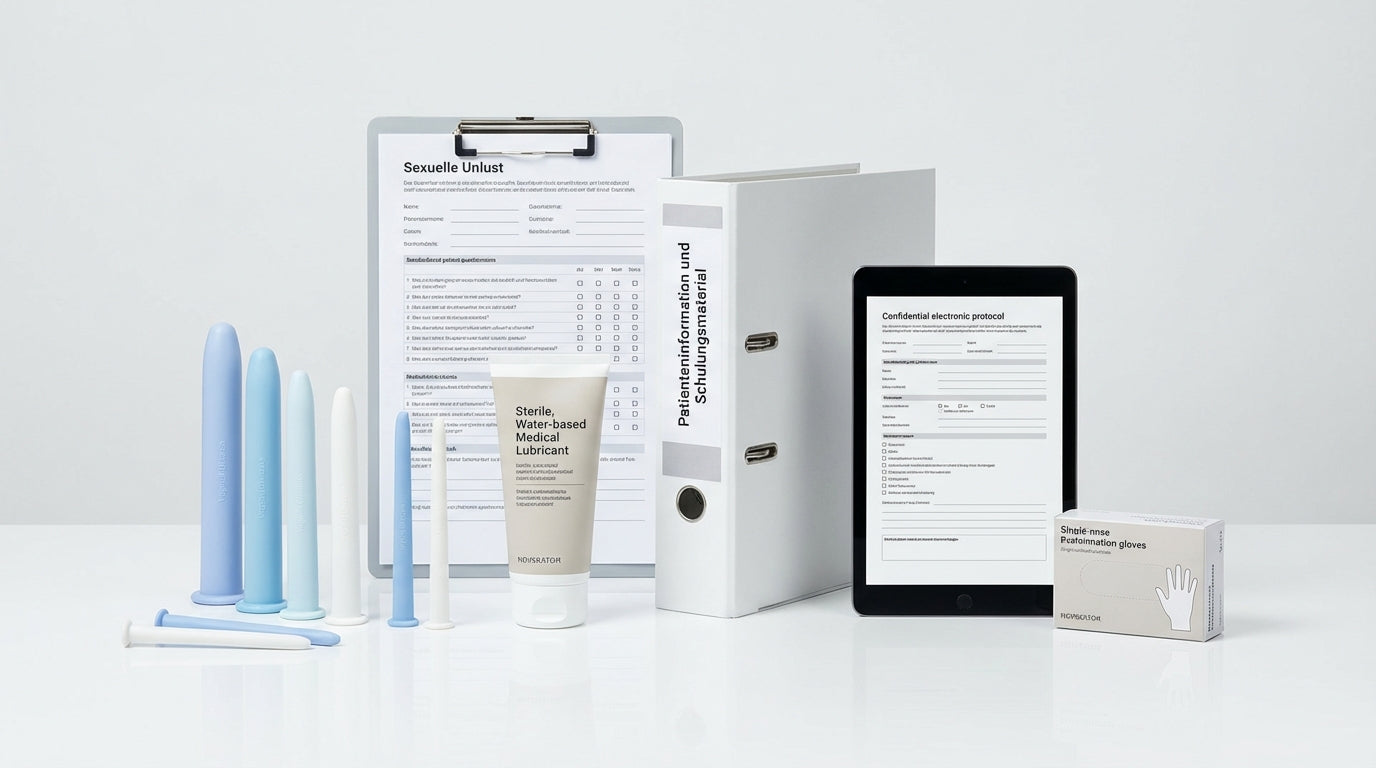
The selection includes both non-invasive accessories and practical aids for application and documentation. Important product types are lubricants and contact materials for painless examinations, vaginal dilators for gradual habituation and stretching, therapeutic aids for sensorimotor stimulation as well as questionnaires, protocols and training materials for assessing sexual functional status. Products are characterized by sterilizable or single-use options, material-compatible compositions and ergonomic design.
Advantages in everyday working life
Targeted products in the category Sexual displeasure improve user guidance and increase patient safety. Standardized questionnaires and documentation aids ensure complete anamnesis and progress assessment. Hygienic disposable items and tested contact materials minimize the risk of infection, while sterilizable devices complement cost-benefit efficiently. Ergonomic aids support gentle examination techniques and promote acceptance of sensitive interventions.
Application examples
- Survey and progress documentation using standardized questionnaires and protocols
- Prepare and perform physical examinations using lubricants and disposable protection
- Therapeutic use of dilators or sensorimotor stimulation tools as an accompanying measure
- Training and instructing patients using printed materials and exercise plans
Quality, safety and selection criteria
When choosing, the focus is on material compatibility (e.g. silicone-based or water-based contact agents), ability to clean and sterilize, and usability. Products should have clearly labeled compositions, proven safety for mucous membranes and understandable hygiene concepts. Information material and protocols support appropriate application and documented follow-up.