
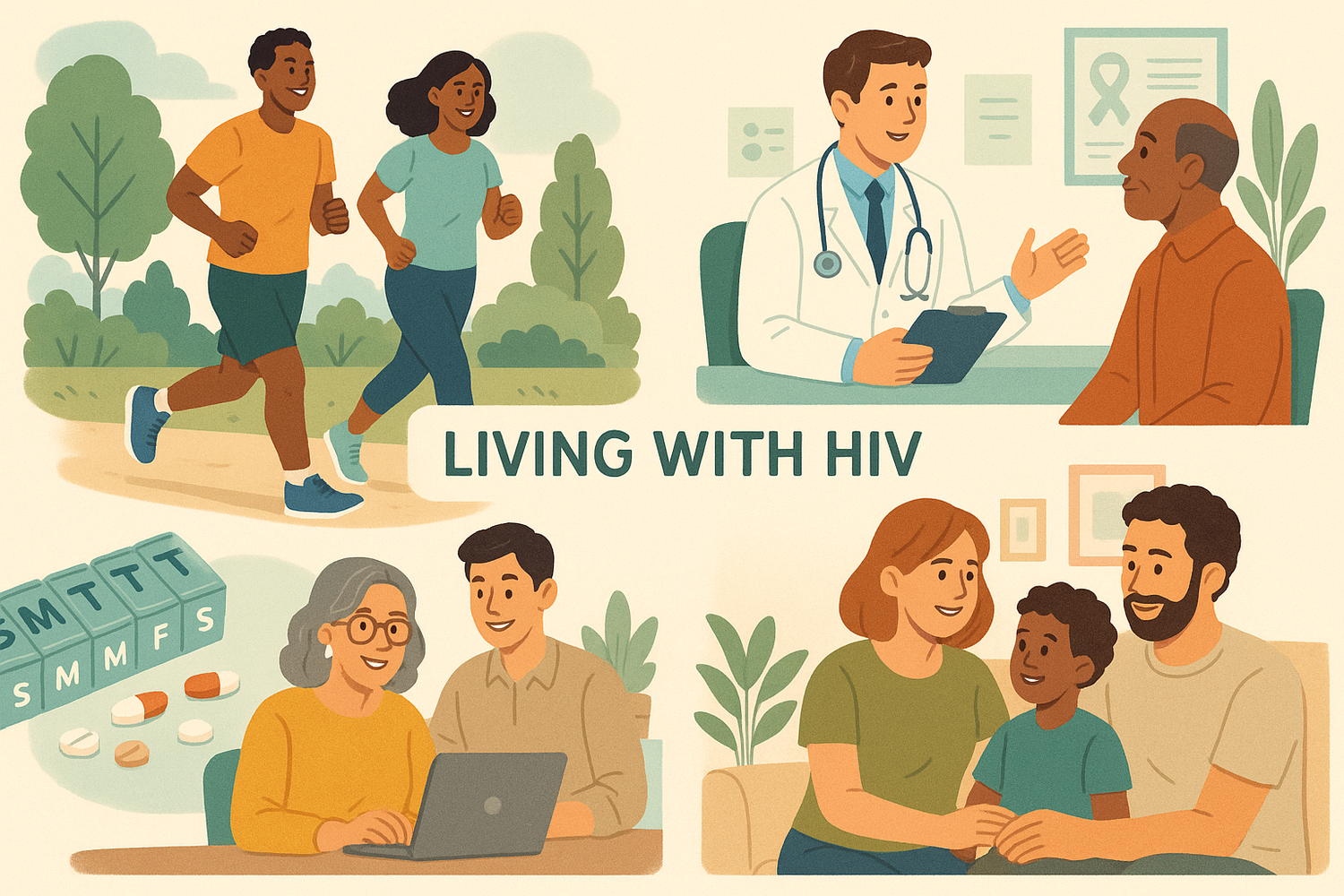
Living with HIV is a reality that affects many people worldwide. Despite medical advances, HIV remains a challenge that affects both physical and emotional aspects of life. This article highlights the complex experiences of HIV-positive people and the strategies they use to cope.
Understanding HIV, its modes of transmission and epidemiological impact is essential to effectively combat the disease. In addition to the medical perspective, it is crucial to recognize the social and psychological implications in order to reduce stigma and provide support.
In this article, we discuss diagnostic methods, treatment options and preventative measures against HIV. In addition, we look at how coping strategies, support systems and international efforts can play an important role in the lives of those affected and bring about positive change.
Living with HIV: experiences and coping strategies
Living with HIV can be challenging, but there are many ways to manage the condition. Here are some helpful facts and strategies:
- Therapy and medical support: modern HIV therapy uses antiretroviral drugs. These suppress the viral load and strengthen the immune system. Regular medical care by specialized doctors is crucial for long-term success.
- Support from self-help groups: Sharing experiences with other sufferers can provide emotional support. Self-help groups help to share experiences and learn from each other.
- Innovative medication: New HIV medications only require two injections per year. These offer long-lasting effects and increase treatment adherence.
- Early diagnosis and counseling: Free, anonymous HIV tests and counseling promote early detection and rapid treatment. These services are available at many health authorities.
The combination of these strategies can significantly improve the quality of life and life expectancy of people living with HIV. They offer successful management of the disease and enable people to lead a fulfilling life.
Introduction
HIV stands for "human immunodeficiency virus". It belongs to the group of retroviruses. This type of virus can integrate its genetic material into the DNA of the host cells.
The infection is transmitted through blood, semen, vaginal secretions and intestinal mucosa. This often happens through unprotected sexual intercourse or the sharing of syringes. A positive HIV test reliably indicates the infection.
Without treatment, an HIV infection can develop into AIDS. AIDS is the "Acquired Immune Deficiency Syndrome". It is a life-threatening disease.
Modern antiretroviral therapies (ART) are very effective. They prevent the progression of the infection. Early diagnosis and treatment are important. They significantly reduce the risk of late complications.
Important to note:
- Transmission routes: blood, semen, vaginal secretions
- Therapy: Antiretroviral medication
- Test: Positive HIV test confirms infection
HIV is easily treatable. Nevertheless, an untreated infection remains serious. It is important to protect yourself through safe practices. Regular testing helps to detect an infection early.
Understanding HIV and its transmission
The Human Immunodeficiency Virus (HIV) is a complex issue that is often misunderstood. Understanding what HIV is and how it is transmitted is important to protect yourself and others. Most people know HIV as a virus that can lead to Acquired Immune Deficiency Syndrome (AIDS). But the mechanisms and routes of transmission are crucial to understanding its progression and avoiding infection.
Definition of the HI virus
The HI virus, also known as the human immunodeficiency virus, belongs to the retrovirus family. There are two main types: HIV-1 and HIV-2. While HIV-1 is spread worldwide, HIV-2 is mainly found in West Africa. These viruses use retrovirus mechanisms to permanently insert their genetic material into the DNA of host cells. They are surrounded by a phospholipid envelope. Embedded in this envelope are glycoproteins that are essential for the infection of the host cells. An untreated infection can ultimately lead to AIDS. AIDS is a syndrome that severely weakens the immune system and makes the body susceptible to other infections.
Transmission routes
HIV is mainly transmitted through unprotected sexual intercourse, regardless of sexual orientation. Infected blood is another important route of transmission, especially among drug users who share syringes. The virus is very sensitive to air and disinfectants. This makes transmission by droplets or smear infection almost impossible. Mothers with HIV can transmit the virus to their children during pregnancy, childbirth and breastfeeding. However, with the right medical measures, this risk can be significantly reduced. In addition to sexual intercourse and shared syringes, medical devices and intravenous blood products are potential sources of transmission.
Epidemiological impact
Around 3 million people in the WHO European region are living with HIV, but almost 29% of them are unaware of their infection. Around 113,000 new HIV diagnoses were reported in Europe in 2023. The eastern region of Europe recorded the highest rate with 30.6 cases per 100,000 inhabitants. Between 300 and 500 new cases are diagnosed in Austria every year. The Austrian HIV cohort study provides valuable insights into the epidemiology of HIV in the country. Such data helps to understand the spread and develop appropriate health measures to contain the spread of the virus.
By understanding the transmission routes and taking measures to prevent infection, we can make a decisive contribution to the health of the community.

Diseases and secondary diseases
HIV, the human immunodeficiency virus, damages the immune system by attacking T helper cells. These cells are crucial for the defense against infections. When their numbers fall, the immune system is weakened. In advanced stages, HIV can lead to AIDS. This is characterized by the occurrence of certain AIDS-defining diseases. The viral load, the amount of virus in the blood, stabilizes after about six months. This stabilization helps to predict the course of the disease. HIV-infected people often notice symptoms such as fever and swollen lymph nodes. However, these symptoms do not always occur.
Opportunistic infections
Opportunistic infections occur in HIV-infected people when the immune system is so weakened that diseases that are normally harmless break out. If there are fewer than 200 to 400 T helper cells per microliter of blood, the risk of such infections increases. Common viral infections in HIV patients include cytomegalovirus and herpes simplex. Bacterial infections, such as tuberculosis, are also common. Pneumonia also occurs. Fungal infections, such as those of the respiratory tract and oesophagus, are further examples.
Long-term consequences of HIV infection
An untreated HIV infection has serious long-term consequences. It leads to the loss of immune cells and weakens the immune system. This condition increases the risk of opportunistic infections. Even if a balance is achieved between virus replication and defense, long-term damage occurs. HIV affects organs such as the kidneys and the immune system is further weakened. As a result, even harmless infections can become life-threatening. Long-term damage is particularly evident in the loss of T helper cells. Without appropriate therapy, their number falls below 200 per microliter of blood, which leads to AIDS. This is often accompanied by serious illnesses.
Diagnostic methods
The diagnosis of an HIV infection is crucial for the health of infected patients. HIV can be reliably determined by detecting antibodies and viral proteins in the blood. A decisive tool is the 4th generation HIV test. This test, carried out six weeks after a risk situation, provides certainty that an infection can be ruled out. The patient's consent is also important, as tests without consent are against the law. Early diagnosis is important, as around half of new infections come from newly infected people and rapid initiation of antiretroviral therapy can be life-saving.
Traditional HIV tests
Traditional HIV tests are based on the serological analysis of antibodies against HIV types 1 and 2 as well as the p24 protein using the ELISA method. On average, it takes around 22 days after an infection for the specific antibodies to be detectable. However, the p24 antigen can be detected after 16 to 18 days. Due to the low HIV prevalence in Germany, the rate of false positive results in the screening test is high, which makes a confirmatory test necessary. The first test options were introduced in 1985 and were also based on the detection of antibodies. A negative 4th generation test, carried out six weeks after a risk situation, rules out an infection and underlines the reliability of this method.
Rapid tests and their reliability
HIV rapid tests offer quick results within 15 to 20 minutes. Despite their speed, they are prone to application errors. Therefore, a positive result requires a confirmation test. Like ELISA tests, modern rapid tests can also detect the p24 antigen as well as antibodies. Unlike laboratory tests, they are available as home tests and can be carried out by laypersons. In the case of negative results, it must be noted that antibodies may not be detectable in the very early infection phase. There are test centers in Switzerland where rapid tests can be carried out. In the event of a positive result, immediate advice is available, which provides crucial support for the next steps. This option offers the advantage of early intervention, which can increase the effectiveness of antiretroviral treatment.
Treatment options
The treatment of HIV has made great progress in recent years. Thanks to modern antiretroviral therapy (ART), many people with HIV can lead a largely normal life. One important prevention option is PrEP, a preventive drug treatment that offers protection to people at high risk of infection. Since September 2019, statutory health insurance companies have covered the costs in Germany. One of the treatment goals is to reduce the viral load in the blood. This suppresses the virus so that it is no longer detectable. Regular use of antiretroviral medication can also prevent transmission to others. However, access to such life-saving treatments is often limited in developing countries, which emphasizes the need for international support.
Importance of antiretroviral therapy (ART)
Antiretroviral therapy (ART) is crucial for the management of HIV. Regardless of viral load or immune status, every affected person should start ART promptly. This prevents the immune system from deteriorating and helps to keep the disease under control. It is particularly important to start therapy quickly in the case of a symptomatic HIV infection or additional infections such as hepatitis B or C. Even in the event of an outbreak of AIDS, modern ART regimens can slow down the progression of the infection and improve quality of life. New drugs in ART therapy, which only need to be injected twice a year, offer additional flexibility.
Inhibition of enzymes: reverse transcriptase and protease
Antiretroviral drugs also target specific enzymes of the HIV virus. Reverse transcriptase inhibitors prevent the virus from transcribing its genetic information into DNA. This stops the production of new viruses. There are different classes of these inhibitors. Nucleoside analogs such as zidovudine and abacavir interrupt the DNA chain, while non-nucleoside inhibitors such as rilpivirine block the enzyme directly. The enzyme integrase is also inhibited. This blockade prevents the virus from integrating its DNA into the genome of the host cell. Protease inhibitors are another group of drugs that block the cutting of viral proteins, which stops the virus from maturing. These strategies increase the effectiveness of the therapy and lead to better virus control.
Life-changing implications
Modern HIV therapies have significantly improved the quality of life and life expectancy of people living with HIV. Seamless care by specialized physicians is crucial to ensure the success of antiretroviral therapy. Taking the medication regularly prevents the development of resistance and maintains the effectiveness of the treatment. In addition, self-help groups offer valuable support to those affected and help them come to terms with the diagnosis. Another important aspect is access to free and anonymous HIV tests, which are offered by health authorities and AIDS service organizations. These tests enable early diagnosis and help to start appropriate treatment quickly.

Psychological effects
Although no specific information is available on the psychological impact of HIV, it is known that an HIV diagnosis can bring considerable emotional challenges. Coming to terms with one's health, treatment and a potentially changed life plan can lead to stress and anxiety. Support from specialists and self-help groups can help to cope with these burdens. In addition, medication and therapies can specifically help to alleviate psychological stress, which improves the quality of life of those affected.
Social implications and stigmatization
The social stigmatization of people with HIV is still widespread. Organizations such as AIDS service organizations are actively working to reduce this discrimination. Support from the Federal Ministry of Social Affairs, Health, Care and Consumer Protection in Austria also plays a central role in prevention efforts. Early treatment reduces the risk of transmission to other people and helps to prevent new infections.
In Switzerland, men who have sex with other men are particularly affected by HIV. Promoting HIV testing in at-risk groups is therefore crucial. This strategy enables early diagnosis and contributes significantly to the prevention of new infections. A sensitized healthcare system and efforts by society as a whole to reduce prejudices can help to improve the living situation of people with HIV.
Psychological effects
The diagnosis of an HIV infection can be a major emotional burden for many patients. The most common psychological reactions include shock, anxiety and depression. These feelings can be exacerbated by the awareness that HIV, if left untreated, can lead to a life-threatening illness.
Main effects:
- Anxiety: of future health problems and social stigmatization.
- Depression: Often triggered by the loss of a sense of life or social isolation.
- Stigmatization: Some infected patients experience discrimination, which can increase psychological stress.
The acute phase of the infection can cause additional stress. Timely antiretroviral therapy can help mitigate these consequences by preventing the onset of AIDS and improving quality of life.
Tips for coping:
- Psychological support: counseling can help deal with the diagnosis.
- Support groups: Sharing with others affected can provide comfort.
- Regular medical care: To monitor and stabilize health.
Overall, access to effective treatment and support is crucial to reduce the psychological burden of HIV.
Social implications and stigmatization
HIV and AIDS are not only health challenges, but also have significant social implications. Stigmatization and discrimination are a reality for many of those affected. AIDS service organizations play an important role in the fight against prejudice. They are committed to reducing discrimination against people with HIV or AIDS.
Prevention is essential. In Austria, the Federal Ministry of Social Affairs, Health, Care and Consumer Protection supports efforts to reduce the number of new infections. Early treatment is important in order to minimize the risk of transmission.
In Switzerland, the majority of reported HIV cases are men. Men who have sex with men are particularly affected. The spread of HIV testing is therefore vital. Early detection can prevent new infections.
Measures to combat stigmatization:
- Awareness campaigns
- Supportive counseling services
- Legal measures against discrimination
It is crucial that societies raise awareness of the challenges faced by infected patients. Through comprehensive education and support, we can improve the social climate.
Prevention and early detection strategies
Prevention and early detection of HIV are essential components in the fight against the spread of the virus. These strategies aim to prevent new infections and enable those affected to receive timely treatment. A combination of behavioral changes, protective measures and medical interventions can effectively contain the spread of HIV. Early detection plays an important role in preventing possible complications and improving the lives of those affected.
Protective measures against HIV
Protective measures against HIV are crucial to prevent the transmission of the virus. The use of condoms and femidoms during sexual contact is an effective way to protect yourself and others. Pre-exposure prophylaxis (PrEP) also offers a very high level of protection. If PrEP is used correctly, it can significantly reduce the risk of HIV infection. Since September 1, 2019, statutory health insurance companies in Germany have covered the costs for people with an increased risk of infection.
If you use drugs, it is strongly recommended that you do not share injecting equipment with others. This significantly minimizes the risk of HIV transmission. In addition to these measures, people taking PrEP should be tested regularly for HIV and other sexually transmitted infections. These precautionary measures help to keep an eye on the state of health and enable early action to be taken.
The importance of early detection
Early detection of HIV infection is crucial in dealing with the disease. Early diagnosis enables antiretroviral therapy to be started immediately, which can delay the progression of the disease. This reduces the risk of late complications and improves the quality of life of those affected. Uncertainties in risk situations should not be ignored; an HIV test is advisable and is usually available from general practitioners, with the costs usually covered by health insurance companies.
Modern antiretroviral therapies effectively prevent the progression of HIV infection. These treatments are particularly effective if they are started shortly after diagnosis. Anonymous and often free HIV tests and counseling are available through health authorities and AIDS service organizations, which facilitates access to early detection. Starting treatment in good time not only improves life expectancy, but also prevents serious complications.
Support and coping strategies
Dealing with HIV disease presents many people with challenges. An essential aspect of coping is the targeted exchange with other affected people. This exchange can help both emotionally and informatively to cope better with everyday life. Modern therapies enable HIV-positive people to enjoy a high life expectancy and quality of life. However, this requires continuous and specialized medical care. Regular visits to specialists help to optimally adjust antiretroviral therapy and ensure long-term therapeutic success. Advice centers and testing services offered by AIDS service organizations also provide essential support and information. They are important points of contact for those affected and their relatives. In 1988, a support fund was set up to help people who have been infected through medical treatment or activities. These resources not only provide financial help, but also strengthen the emotional well-being of those affected.
Role of self-help groups
Support groups play an important role in supporting HIV-positive people. Talking to people with the same condition can help to share experiences and find solutions together. Such groups provide a valuable platform to talk about both challenges and successes. Advice centers such as Selbsthilfe Zürich provide support in finding a suitable group. They also cooperate with the University Hospital Zurich as part of a national project for self-help-friendly hospitals. This approach aims to improve the health literacy of participants. Participation in self-help groups enables those affected to strengthen each other and reduce the feeling of isolation. A sense of community is created in these groups, which makes it easier to deal with the illness and improves personal well-being.

Financial and emotional support through funds
The support fund has existed since 1988 and provides valuable help for people who have been infected with HIV in Austria through medical treatment or activities. People whose infection occurred in Austria or who live there permanently can receive benefits from the fund. The fund is aimed at people who have been affected by blood transfusions or organ transplants, as well as their families. People from social or professional activities in the healthcare sector, such as in hospitals, can also hope to receive support. Family members of haemophiliacs who have become HIV-positive due to their illness are also eligible. This fund not only offers financial support, but also helps those affected to cope better with the emotional burden of the disease. The benefits granted facilitate access to necessary medical care and counseling and make a decisive contribution to emotional stability.
Awareness-raising work and international efforts
The fight against HIV and AIDS is a central concern of international organizations. The United Nations and the World Health Organization have set clear targets for containing the disease. These targets include UN Sustainable Development Goal 3.3, which explicitly aims to reduce the number of new infections. UNAIDS provides important statistics that help to monitor progress. Safer sex remains the most effective prevention measure to better control the transmission routes of HIV. In Austria, international initiatives are complemented by national efforts to prevent the spread of the virus. This coordinated approach strengthens the global fight against HIV and AIDS.
Initiatives to reduce stigmatization
Stigmatization remains a major challenge for people living with HIV or AIDS. AIDS service organizations play a crucial role in reducing prejudice and discrimination. Misconceptions can be reduced through targeted education about risk behavior in vulnerable groups. The Federal Ministry of Social Affairs, Health, Care and Consumer Protection supports these efforts through various initiatives. Anonymous and free tests offered by AIDS service organizations help to bring HIV out of the taboo zone. In addition, regular checks and tests as part of pre-exposure prophylaxis (PrEP) promote a better understanding of HIV infections. These measures help to create an environment that supports people with HIV and makes it easier for them to participate in society.
Global strategies in the fight against HIV/AIDS
Worldwide, organizations such as the United Nations, the World Health Organization and UNAIDS are pursuing ambitious strategies against HIV/AIDS. The UN Sustainable Development Goals, in particular Goal 3.3, aim to reduce the spread of the virus. The World Health Organization has developed comprehensive health strategies covering HIV, viral hepatitis and other sexually transmitted infections. UNAIDS provides essential data documenting progress in the fight against the epidemic. Both national and international strategies focus on reducing the number of new infections and improving care for those affected. The focus is not only on medical but also social approaches to ensure sustainable and inclusive healthcare.
Conclusion and outlook
Successful HIV treatment is crucial. It aims to suppress the viral load and strengthen the immune system. Modern treatments offer people with HIV a high quality of life and extend their life expectancy.
Important points:
- Virus control: Permanent suppression of the viral load.
- Drug combination: Several active substances minimize resistant viruses.
- Quality of life: High quality of life thanks to effective medication.
Early symptoms of HIV infection often resemble flu-like symptoms. These subside after a while, which makes regular testing important. A positive test result should not be considered without the necessary context. Support from self-help groups and counseling centers is essential for those affected.
In the future, advances in antiretroviral therapy and research could open up new possibilities. Research into the exact mechanisms of infection could lead to better treatments. Achieving a kind of balance between virus suppression and quality of life remains the goal.
Support services:
- Self-help groups
- Professional advice centers
The challenges remain, but the prospects for treatment and living with HIV are steadily improving.
Source: istockphoto ngupakarti
0 Comments